TL;DR (Too Long; Didn’t Read)
- Digestive Aid: Cat grass (cereal grains like wheat, oat, or barley) provides essential fiber that acts as a natural laxative, helping hair move through the digestive tract to prevent and manage hairballs.
- Nutritional Boost: It offers vital nutrients like folic acid (Vitamin B9), which helps oxygenate the blood and supports feline metabolic functions that meat-only diets might lack.
- Safe Alternative: Growing indoor cat grass kits provides a pesticide-free, non-toxic grazing option that satisfies a cat’s natural chewing instincts while protecting them from dangerous outdoor chemicals and toxic houseplants.
- Function vs. Fun: Unlike catnip, which triggers a behavioral “high,” cat grass is a functional tool focused on physical wellness, gastrointestinal cleansing, and environmental enrichment.
Table of Contents
You know the sound. That rhythmic, wet hacking in the middle of the night that signals a slimy surprise on your favorite rug. Hairballs are the bane of every cat owner’s existence.
As an obligate carnivore, your cat thrives on meat, yet they often act like tiny cows grazing on your houseplants. This is where cat grass enters the conversation.
At Bella Gatti US Shop, we love a good feline aesthetic, but we love a healthy kitty even more. Let’s dig into whether this “feline salad” actually stops the shedding struggle.
The Science of Cat Grass Benefits and Feline Digestion
Cat grass is not just a snack; it is a functional tool for cat digestion. Most cat grass seeds are actually cereal grains like wheatgrass for cats, oat grass, or barley grass.
According to the Usdan Institute for Animal Health Education at the AMC Animal Medical Center, these grasses provide essential cat dietary fiber. This fiber acts as a natural laxative, helping fur move through the digestive tract rather than sitting in the stomach. You can also benefit from small amounts of fresh Cat Grass to aid digestion.
Beyond fiber, feline nutrition experts like Dr. Ann Hohenhaus note that grass contains folic acid. This B vitamin helps oxygenate the blood and supports feline digestion, making it a vital folic acid supplementation source for indoor pets.
Hairball Relief: How It Prevents Cat Vomiting
When cats groom, their rough tongues hook loose fur, leading to hairball management issues. Cat grass benefits the cat stomach cleaning process by binding to this hair and aiding its exit from the body.
While some owners worry when they see prevent cat vomiting efforts fail, grass actually helps. It can induce vomiting to clear out indigestible materials or provide the bulk needed to push hair through the intestines safely.
Research shared on PubMed and discussed by the World Small Animal Veterinary Association suggests that plant eating is an instinctive behavior. Even wild ancestors used roughage to purge parasites and clear the gut.
Catnip vs Catgrass: Understanding the Difference
It is easy to get confused on Reddit or Catster, but catnip vs catgrass is a simple distinction. Catnip is a member of the mint family that triggers a behavioral “high” or euphoric state in most felines.
In contrast, indoor cat grass is a nutritional cat wellness tool. While catnip affects the brain, cat grass focuses on gastrointestinal cleansing and providing a satisfying cat chewing instinct outlet.
Think of catnip as the party favor and cat grass as the daily green smoothie. Both provide environmental enrichment for indoor cats, but they serve very different biological purposes.
Safe Houseplants Cats Love: Growing Cat Grass at Home
Using a cat grass kit is the safest way to satisfy your pet. Growing cat grass indoors ensures it is pesticide free grass, unlike the lawn outside which carries pesticide risk in forage and parasites.
Many common non-toxic houseplants are still less ideal than a dedicated pot of wheatgrass for cats. Providing a cat grass station acts as a decoy, protecting your decorative plants from being shredded by bored teeth.
To keep your grass fresh, water it lightly to avoid mold and rotate pots every two weeks. This keeps the blades tender and provides a steady supply of natural laxatives for pets to keep their systems running smoothly.
Hairball Awareness and Professional Advice
While cat health tips online are helpful, always monitor your pet’s habits. If hairball awareness turns into a concern about frequent lethargy or blockage, consult a specialist in small animal internal medicine.
Resources like YouTube or Lady n Pet offer great visual guides on growing cat grass, but the AMC Animal Medical Center remains the gold standard for clinical feline oncology and internal health advice.
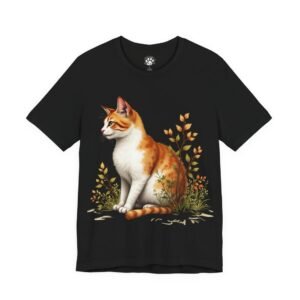
Whether you are looking for a Unisex Soft Cotton Tee that celebrates your plant-munching feline or just want a cleaner rug, cat grass is a proven, natural solution for a happier home.
Expert Insight
“Cat grass provides essential roughage that acts as a natural laxative to aid digestion and elimination, though it is more a normal behavioral instinct than a clinical cure for existing hairballs.”, Expert in Small Animal Internal Medicine
What Exactly is Cat Grass?
Despite the name, cat grass is not a single plant species. It is usually a DIY blend of cereal grains like wheatgrass, oat grass, and barley grass grown specifically for feline consumption.
Unlike the grass in your backyard, these cat grass seeds are grown indoors in a controlled, pesticide free environment. This makes it a safe houseplant alternative for your furry roommate that won’t result in a frantic search on PubMed for toxicity reports.
Think of it as a high fiber snack that satisfies your pet’s cat chewing instinct. By providing an indoor cat grass kit, you offer a healthy decoy that protects your decorative (and potentially toxic) greenery from those tiny predators.
Cat Grass vs. Catnip: The Great Salad Debate
Many pet parents mix these up, but they serve totally different purposes in the world of cat wellness. One is a functional superfood for the body, and the other is a chemical party for the brain.
Catnip is an herb from the mint family containing nepetalactone, an essential oil that triggers a behavioral high. Cat grass, however, is all about feline nutrition and gastrointestinal cleansing through physical ingestion.
| Feature |
Cat Grass (The Salad) |
Catnip (The Party) |
| Plant Type |
Cereal Grains (Wheat, Oat, Barley) |
Herb (Mint Family) |
| Main Benefit |
Cat digestion and fiber |
Behavioral high and playfulness |
| Nutrients |
Folic acid and Vitamin B9 |
Nepetalactone (Essential Oil) |
| Action |
Eating and grazing |
Sniffing, rolling, and zooming |
How Cat Grass Aids Digestion and Vitamin Intake
Your cat is an obligate carnivore, but even the fiercest hunters need their greens. In the wild, small animal internal medicine experts note that wild cats ingest grass to get a boost of folic acid (Vitamin B9).
Folic acid supplementation is vital because it helps oxygenate the blood and supports healthy growth. Since this nutrient is absent from a meat only diet, indoor cat grass acts as a natural multivitamin for your pet.
Beyond vitamins, the cat dietary fiber found in wheatgrass for cats acts as a natural laxative. It helps move hair and undigested bits through the digestive tract before they can form a blockage.
Effectiveness of Cat Grass for Hairball Control
Does it really work? According to the AMC Animal Medical Center and the Usdan Institute for Animal Health Education, the answer is a resounding yes. The fiber in cat grass helps bind to fur in the stomach.
This binding action makes it easier for the fur to pass through the system, providing much needed hairball relief. Many veterinarians, including Dr. Ann Hohenhaus, suggest that regular grazing can be a proactive part of hairball management.
By encouraging safe pet grazing, you are helping to prevent cat vomiting associated with dry, stuck fur. It is a biological tool that assists with cat stomach cleaning without the need for petroleum based gels.
The Risks of Outdoor Grass and Toxic Plants
You might wonder why your cat cannot just graze on the front lawn. The World Small Animal Veterinary Association warns that outdoor grass is often treated with chemical fertilizers and weed killers.
Pesticide risk in forage is a serious concern for feline oncology and general health. Additionally, outdoor grass may harbor parasites or eggs from other animals that can compromise cat wellness.
Providing safe houseplants for cats like barley grass or oat grass ensures they are not nibbling on lilies or philodendrons. These common household plants are highly toxic and can lead to emergency visits to the vet.
How to Grow and Care for Indoor Cat Grass
Growing cat grass is a simple way to provide environmental enrichment for indoor cats. Start with a cat grass kit and high quality cat grass seeds to ensure a quick harvest within seven days.
To prevent mold, water the soil lightly and ensure the pot has good drainage. Experts on Reddit and Catster suggest trimming the grass when it gets too tall to keep it fresh and tender for chewing.
Try rotating your plant pots every two weeks to maintain a constant supply of pesticide free grass. If the grass starts to yellow, it is time to compost that batch and start a fresh round of feline digestion support.
Does It Really Help With Hairball Relief?
In short: Yes, but perhaps not in the way you expect. Feline digestion is a complex machine, and hairballs happen when fur gets trapped in the stomach during grooming. Research suggests that the cat dietary fiber found in grass acts as a natural laxative. It helps bind the fur together so it can pass through the digestive tract more easily.
Sometimes, the grass acts like a drain snare. The rough texture helps the cat prevent cat vomiting by clearing out small blockages before they become massive, cigar-shaped problems. If you check resources like PubMed or the AMC Animal Medical Center, you will find that fiber is a cornerstone of hairball management.
That said, if your cat does vomit after eating grass, do not panic. The Usdan Institute for Animal Health Education notes this is often a form of gastrointestinal cleansing. They are instinctively using the grass to upchuck things they cannot digest. This natural instinct is even seen in wild relatives like snow leopards.
Cat Grass Benefits: Digestion and Vital Nutrients
Beyond hairball relief, cat grass provides essential feline nutrition that your kitty cannot get from a bowl of kibble. One of the biggest cat grass benefits is the presence of Folic Acid. This B9 vitamin helps oxygenate the blood and supports metabolic functions. Interestingly, Folic Acid Supplementation is often missing from common household items cats might chew on, like toilet paper or toxic houseplants.
By providing a cat grass kit, you are offering environmental enrichment for indoor cats. This safe houseplant alternative satisfies their cat chewing instinct without the risks associated with outdoor grazing. Dr. Ann Hohenhaus and other experts at the World Small Animal Veterinary Association often emphasize the importance of feline nutrition for indoor feline wellness.
Catnip vs Catgrass: What is the Difference?
Many pet parents on Reddit and Catster ask about the difference between catnip and catgrass. While both are great for cat wellness, they serve very different purposes. Catnip is a member of the mint family that contains nepetalactone, which triggers a behavioral response or a “high” in most cats. It is purely for entertainment and mood alteration.
Cat grass is a collection of cereal grains for cats, such as wheatgrass for cats, oat grass, and barley grass. These plants do not change your cat’s behavior. Instead, they focus on cat stomach cleaning and digestive health. Think of catnip as a fun cocktail and cat grass as a healthy green smoothie.
Safety First: Indoor Cat Grass vs Outdoor Hazards
You might be tempted to let your cat nibble on the lawn, but indoor cat grass is much safer. Outdoor grass often carries a high pesticide risk in forage. These chemicals can lead to serious issues requiring a specialist in feline oncology or small animal internal medicine. Furthermore, outdoor grass can be tough and may cause nasal blockages or internal irritation.
Growing cat grass indoors ensures a pesticide free grass supply. It acts as a perfect decoy to keep your cat away from dangerous flora. By using a controlled cat grass seeds blend, you provide a safe grazing experience that avoids the toxins found in many common decorative plants. You can even find helpful tutorials on Google or YouTube to start your own indoor garden.
How to Grow and Maintain Your Cat Grass
To keep your grass fresh and effective for hairball awareness, proper care is key. Most experts recommend watering the soil lightly to prevent mold growth. If the blades get too tall, trim them down to prevent them from irritating your cat’s throat or causing accidental injury. This keeps the texture palatable for regular snacking.
To maintain a constant supply, try rotating plant pots every two weeks. This ensures that while your cat is grazing on one batch, a fresh set of cat grass seeds is germinating in another. This cycle provides a consistent natural remedy for hairball reduction and keeps your kitty from eyeing your favorite fern. For more tips, check out community discussions on Lady n Pet for the best growing setups.
Expert Insight
“Cat grass provides essential fiber that acts as a natural laxative to aid digestion and help move hairballs through the system, while offering a safe, chemical-free alternative to outdoor grazing.”, Dr. Lori Teller, Clinical Associate Professor at Texas A&M College of Veterinary Medicine
The Science of Folic Acid and Feline Nutrition
Why do cats crave green juice? One major reason is Folic Acid supplementation. This essential B-vitamin helps oxygenate the blood and supports growth for your furry friend.
In the wild, an obligate carnivore gets this from the stomach contents of their prey. Since your indoor cat is likely eating kibble or canned food, they look for other sources of feline nutrition.
According to the AMC Animal Medical Center and Dr. Ann Hohenhaus, providing grass is a form of environmental enrichment. It mimics their natural ancestral habits and keeps them from chewing your shoes.
The Usdan Institute for Animal Health Education notes that Folic Acid is a critical part of hairball management. Without it, your cat might suffer from low energy or poor digestion.
How Cat Grass Aids Digestion and Vitamin Intake
Cat grass benefits extend far beyond just a fun snack. The cat dietary fiber found in these greens helps move things along in the digestive tract, acting as a natural laxative for pets.
Research shared on platforms like PubMed and by the World Small Animal Veterinary Association suggests that grass helps a cat stomach cleaning process. It binds to fur and moves it through the system.
Folic Acid cats need is often missing from household items like toilet paper or toxic plants. Providing a safe cat grass kit ensures they get their Vitamin B9 without a trip to the emergency vet.
By offering wheatgrass for cats, you are supporting gastrointestinal cleansing. This is a much safer alternative to the pesticide risk in forage found in your backyard or local park.
Cat Grass vs Catnip: Understanding the Difference
It is easy to get confused at the pet store, but catnip and cat grass serve two very different purposes. Catnip is an herb that alters mood and triggers a playful or euphoric behavioral response.
In contrast, cat grass is usually a mix of cereal grains for cats like oat grass or barley grass. These are grown specifically for their fiber and nutritional value.
While catnip is a fun treat, cat grass is a functional tool for cat wellness. It focuses on the physical health of the gut rather than the temporary high of the herb.
If you want to prevent cat vomiting and keep the peace at home, stick to the greens. Your cat chewing instinct is better satisfied by a crunchy blade of wheatgrass than a dried herb.
The Risks of Outdoor Grass and Toxic Houseplants
You might think letting your cat graze on the lawn is fine, but outdoor grass is often treated with chemicals. Pesticide free grass is the only way to ensure cat grass safety for your pet.
Many common safe houseplants cats enjoy are actually decoys for the dangerous ones. Lilies and monsteras are toxic, so providing indoor cat grass keeps them away from the greenery that bites back.
Lady n Pet and various experts on Reddit often discuss how a cat grass seeds kit can save your favorite fern. It provides a healthy outlet for their natural grazing behavior without the risk.
Feline Oncology and Small Animal Internal Medicine experts warn that ingesting treated grass can lead to serious health issues. Stick to a controlled indoor environment for all your pet safe grazing needs.
How to Grow and Care for Indoor Cat Grass
Growing cat grass is easier than keeping a cactus alive. Most kits come with everything you need to start a fresh patch of oat or barley grass in just a few days.
To keep it fresh, water lightly to prevent mold and trim the tall blades to prevent injury to your cat’s throat. Competitors and Catster experts recommend rotating plant pots every two weeks.
If the grass looks wilted, try refrigerating it when not in use to extend its life. Freshness is key to keeping your cat interested and ensuring they get the most hairball relief possible.
By following these cat health tips, you create a sustainable source of fiber. This simple addition to your home can lead to better hairball awareness and a much happier, healthier kitty.
Expert Insight
“Cat grass acts as a natural ‘hairball hack’ and digestive aid, providing essential folic acid and fiber that helps cats safely expel indigestible matter while offering a chemical-free alternative to potentially toxic outdoor lawns.”, Veterinary Health Specialist
The Benefits of Indoor Cat Grass Kits
If you want to prevent cat vomiting from toxic plants, an indoor cat grass kit is your new best friend. It serves as a perfect decoy strategy to keep your feline away from your expensive lilies, which are deadly to pets.
A cat grass kit provides essential hairball management without the need for messy petroleum based gels. By growing cat grass seeds like wheatgrass for cats, oat grass, or barley grass, you offer a chemical free snack that is far safer than outdoor forage.
Organizations like the World Small Animal Veterinary Association emphasize that cat wellness includes satisfying these behavioral triggers safely. Providing a dedicated grazing station is a form of environmental enrichment for indoor cats that saves your upholstery and your sanity.
Cat Grass vs Catnip: Understanding the Difference
Many pet parents confuse these two, but they serve very different roles in feline nutrition. Catnip is an herb from the mint family that alters your cat’s mood, while cat grass is a collection of cereal grains for cats that aids in gastrointestinal cleansing.
While catnip is for the “party,” cat grass is for the “plumbing.” One is a behavioral treat, and the other is a natural source of cat dietary fiber and Folic Acid that supports small animal internal medicine goals by keeping the digestive tract moving.
Natural Laxatives for Pets and Hairball Relief
Grooming causes the ingestion of fur, which inevitably leads to hairball formation. The fiber found in cat grass acts as a natural laxative, helping to bind hair in the stomach so it can pass through the digestive system more easily.
According to the Usdan Institute for Animal Health Education, this feline digestion support can reduce the frequency of those wet midnight surprises. It is a much more aesthetic solution than squeezing a tube of brown goo into your cat’s food bowl.
How to Grow and Care for Indoor Cat Grass
To maintain peak cat grass safety and freshness, you should water your kit lightly to prevent mold growth. Trimming tall grass is also recommended to prevent any potential eye injury or irritation while your cat is grazing.
For the best results, rotate your plant pots every two weeks. You can even refrigerate the grass when it is not in use to keep the blades crisp. This ensures a constant supply of pesticide free grass that satisfies the cat chewing instinct without the risks of the great outdoors.
If you are looking for more cat health tips, check out resources on PubMed or the AMC Animal Medical Center. Experts like Dr. Ann Hohenhaus often discuss how cereal grains can assist in cat stomach cleaning and overall health.
How to Grow and Care for Your Feline Garden
Growing your own indoor cat grass is actually easier than keeping a succulent alive. Most cat grass seeds, like barley grass, will sprout within just a few days of planting.
To ensure a healthy crop, water your seeds lightly to avoid mold growth. If the grass gets too tall, use clean scissors to trim the blades down. This prevents the grass from poking your cat’s eyes or irritating their throat during a snack session.
Experts at the Usdan Institute for Animal Health Education suggest rotating your pots every two weeks. This simple trick ensures your cat always has a fresh, crunchy supply of wheatgrass available for their daily grazing.
According to Dr. Ann Hohenhaus at the AMC Animal Medical Center, providing a dedicated cat grass kit is a form of essential environmental enrichment for indoor cats. It keeps them engaged and satisfies their natural instincts safely.
“Cat grass is a safe, healthy way to satisfy a cat’s natural grazing instinct while aiding their digestive health.”
Cat Grass vs Catnip: Understanding the Difference
Many pet parents confuse these two, but they serve very different roles in feline nutrition. Cat grass is typically made from cereal grains like wheat, oat, or barley and acts as a source of cat dietary fiber.
Catnip is a member of the mint family that triggers a behavioral response or “high” in most cats. While catnip is for fun and play, cat grass is a functional food that helps with cat stomach cleaning and hairball management.
Think of catnip as a cocktail and cat grass as a healthy green smoothie. One changes their mood, while the other provides folic acid supplementation and helps move fur through the digestive tract.
Why Folic Acid and Fiber Matter for Feline Digestion
Cat grass benefits go beyond just being a tasty snack. It contains folic acid, also known as Vitamin B9, which helps oxygenate the blood and supports the production of hemoglobin.
As an obligate carnivore, your cat might not get enough folic acid from meat alone. In the wild, they would get this from the stomach contents of their prey, but indoor cats often turn to chewing on houseplants to find it.
The dietary fiber in oat grass acts as a natural laxative for pets. It binds to hair in the stomach, making it easier to pass through the GI tract rather than being hacked up as a slimy surprise on your rug.
Safe Grazing and Preventing Cat Vomiting
One of the best cat health tips is to provide pesticide free grass indoors to prevent your cat from eating dangerous lawn grass. Outdoor grass often contains chemicals or parasites that can lead to feline oncology issues or internal infections.
By offering a safe cat grass kit, you provide a perfect decoy strategy. This keeps your cat away from toxic houseplants like lilies, which the World Small Animal Veterinary Association warns are deadly to felines.
While some cats may still vomit after eating grass, it is often a purposeful gastrointestinal cleansing. The grass helps them bring up indigestible matter, providing natural hairball relief and keeping their system running smoothly.
For more advice on hairball awareness and pet safe grazing, many owners turn to communities like Reddit or Catster to share their success stories with different cereal grains for cats.
Is Outdoor Grass Safe for Your Obligate Carnivore?
The short answer is a hard no. While your cat might look majestic stalking through the backyard, outdoor lawns are often treated with fertilizers or pesticides. These chemicals are incredibly toxic to pets and present a major pesticide risk in forage.
Furthermore, outdoor grass can harbor parasites, fleas, or intestinal worms. To ensure total cat grass safety, you should stick to the indoor variety grown from high quality cereal grains like wheatgrass or oat grass.
By providing a dedicated pet safe grazing area inside your home, you fulfill your cat chewing instinct without the gastrointestinal cleansing turning into a medical emergency. It is the best way to keep your obligate carnivore happy, healthy, and away from your expensive (and potentially toxic) houseplants.
Cat Grass vs. Catnip: What Is the Difference?
Many cat parents get these two confused, but they serve very different roles in feline nutrition and feline behavioral triggers. Catnip is a member of the mint family that acts as a mood enhancer, while cat grass is a collection of cereal grains grown specifically for dietary fiber for animals.
Cat grass provides essential folic acid for cats, a B9 vitamin that helps oxygenate the blood. This folic acid supplementation is often missing from standard kibble. While catnip is for the vibes, cat grass is for the gut, acting as a natural laxative to help move fur through the digestive tract.
According to resources like the Usdan Institute for Animal Health Education and the AMC Animal Medical Center, environmental enrichment for indoor cats should include both. Think of catnip as the party and cat grass as the healthy salad bar that keeps the digestive system humming.
The Science of Feline Digestion and Hairball Management
Scientific studies on plant consumption in cats and even wild snow leopards show that eating grass is a natural instinct. Research indexed on PubMed and discussed by the World Small Animal Veterinary Association suggests that fiber helps bind to hair in the stomach.
Dr. Ann Hohenhaus and other experts in small animal internal medicine note that this fiber makes it easier for the cat to pass hair through their system. This aids in hairball relief and can be more effective than messy petroleum based gels.
Regular access to a cat grass kit can prevent cat vomiting by clearing the stomach of indigestible matter. It is a cornerstone of proactive cat wellness and hairball awareness, ensuring your feline friend stays sleek and comfortable without the midnight hacking sessions.
Frequently Asked Questions About Cat Grass and Feline Wellness
You probably have questions before you turn your living room into a miniature pasture. Here is everything you need to know about cat grass safety and how it impacts your feline friend’s health.
Why does my cat throw up after eating grass?
This is often a deliberate move for gastrointestinal cleansing. Because cats are an obligate carnivore, their systems are not designed to break down plant cellulose, which triggers a gag reflex.
This process helps them clear their stomach of feathers, fur, or bones they cannot digest. It is a natural form of cat stomach cleaning that acts as a physical way to purge indigestible matter.
According to the Usdan Institute for Animal Health Education, this behavior is an instinctual drive. Even wild ancestors used roughage to expel parasites and unwanted debris from their digestive tracts.
Can cats eat too much grass?
Yes, even a good thing can be overdone. If your cat is “scarfing and barfing” constantly, they might be overindulging or using it to mask an underlying issue like feline oncology concerns or chronic gastritis.
Try limiting their grazing time to 10 minutes a day as a controlled cat wellness treat. If you notice excessive vomiting, consult the AMC Animal Medical Center or a professional specializing in small animal internal medicine.
To keep the supply fresh and avoid mold, experts suggest rotating plant pots every two weeks. This ensures the grass stays crisp and prevents the growth of fungi that could upset a sensitive stomach.
Which grass is best for cats?
Oat grass is often preferred because it is slightly sweeter and more tender. However, a mix of wheat, barley, and rye provides a great variety of cereal grains for cats.
Barley grass is often enjoyed for its rapid growth, while wheatgrass for cats is the gold standard for nutrient density. These cereal grains provide essential dietary fiber for animals that helps move hair through the gut.
Many owners choose a cat grass kit to ensure they are growing a safe, pesticide free grass. This controlled environment is much safer than letting your cat forage in the backyard where toxic chemicals may linger.
Is cat grass the same as wheatgrass?
Most commercial cat grass is indeed wheatgrass. It is the same nutrient-dense sprout humans put in smoothies at the health bar, just grown specifically for your pet to chew on directly.
Wheatgrass is packed with folic acid for cats, a vital B9 vitamin that helps oxygenate the blood. Since cats do not get much folic acid supplementation from a meat-only diet, this grass fills a crucial nutritional gap.
Unlike non-toxic houseplants that might just be a distraction, wheatgrass and oat grass offer functional hairball relief. They provide the mechanical action needed to prevent cat vomiting caused by stubborn fur clogs.
What is the difference between catnip vs catgrass?
It is easy to confuse the two, but they serve very different purposes. Catnip is a member of the mint family that triggers a behavioral response, often leading to a temporary “high” or intense playfulness.
Cat grass is a collection of cereal grains used for feline nutrition and hairball management. While catnip is for mental stimulation, cat grass is a functional food that aids cat digestion and provides environmental enrichment for indoor cats.
Think of catnip as a fun weekend activity and cat grass as a daily salad. Both are excellent for indoor cat health tips, but they satisfy different biological needs in your pet’s routine.