TL;DR (Too Long; Didn’t Read)
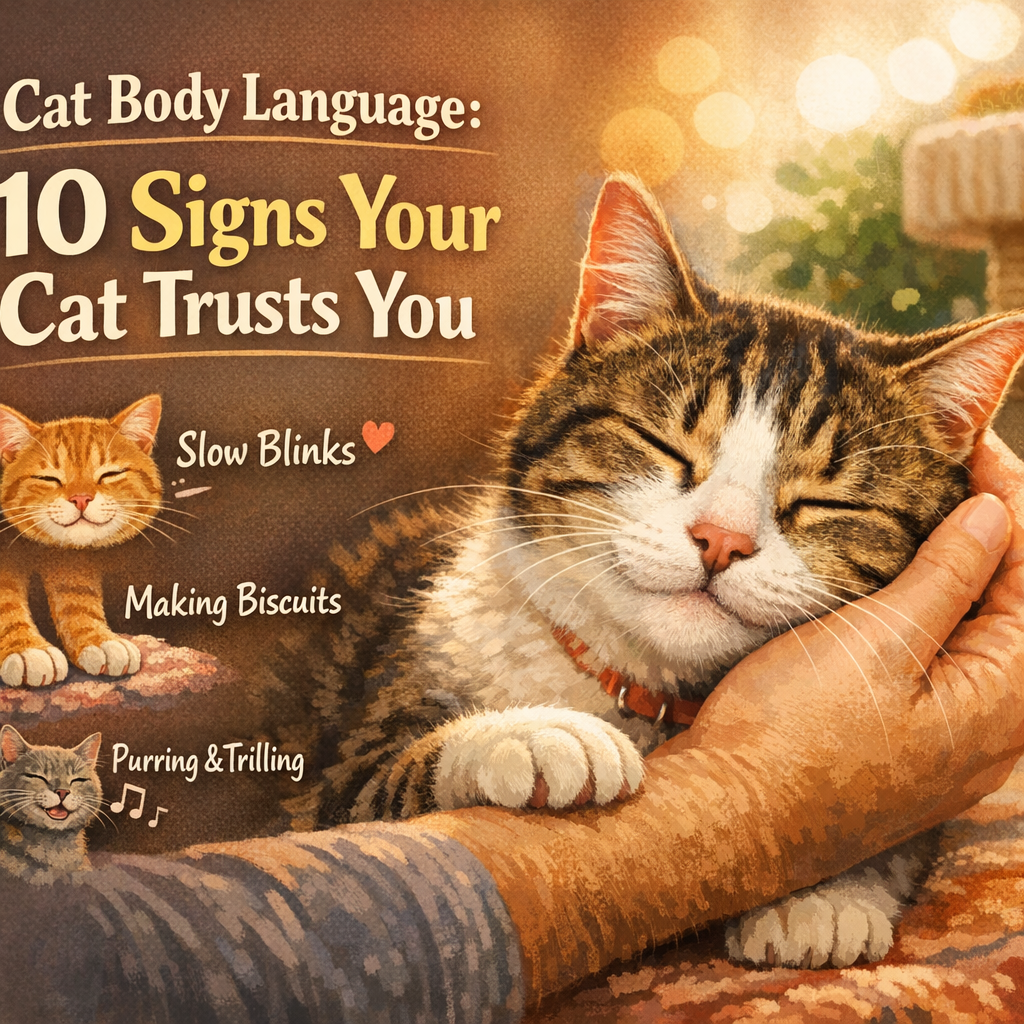
- Affectionate Communication: Cats show deep trust through “love blinks” (slow blinking), kneading (“making biscuits”), and vocalizations like purring or trilling.
- Physical Marking & Grooming: Behaviors such as head bunting, facial rubbing, and licking (allogrooming) are ways cats deposit scents to claim you as a trusted member of their family.
- Vulnerability & Proximity: Choosing to sleep near you, exposing their belly, or greeting you with an upright, quivering tail signals that the cat feels completely safe and secure in your presence.
- Social Bonding: Trust is built over time through consistent routines, and even “rude” gestures like presenting their backside or bringing “gifts” (toys/prey) are high compliments in feline social language.
Table of Contents
Ever feel like your cat is a tiny, furry enigma? You are not alone in that feline mystery.
While dogs wear their hearts on their wagging tails, feline affection is a bit more exclusive and nuanced.
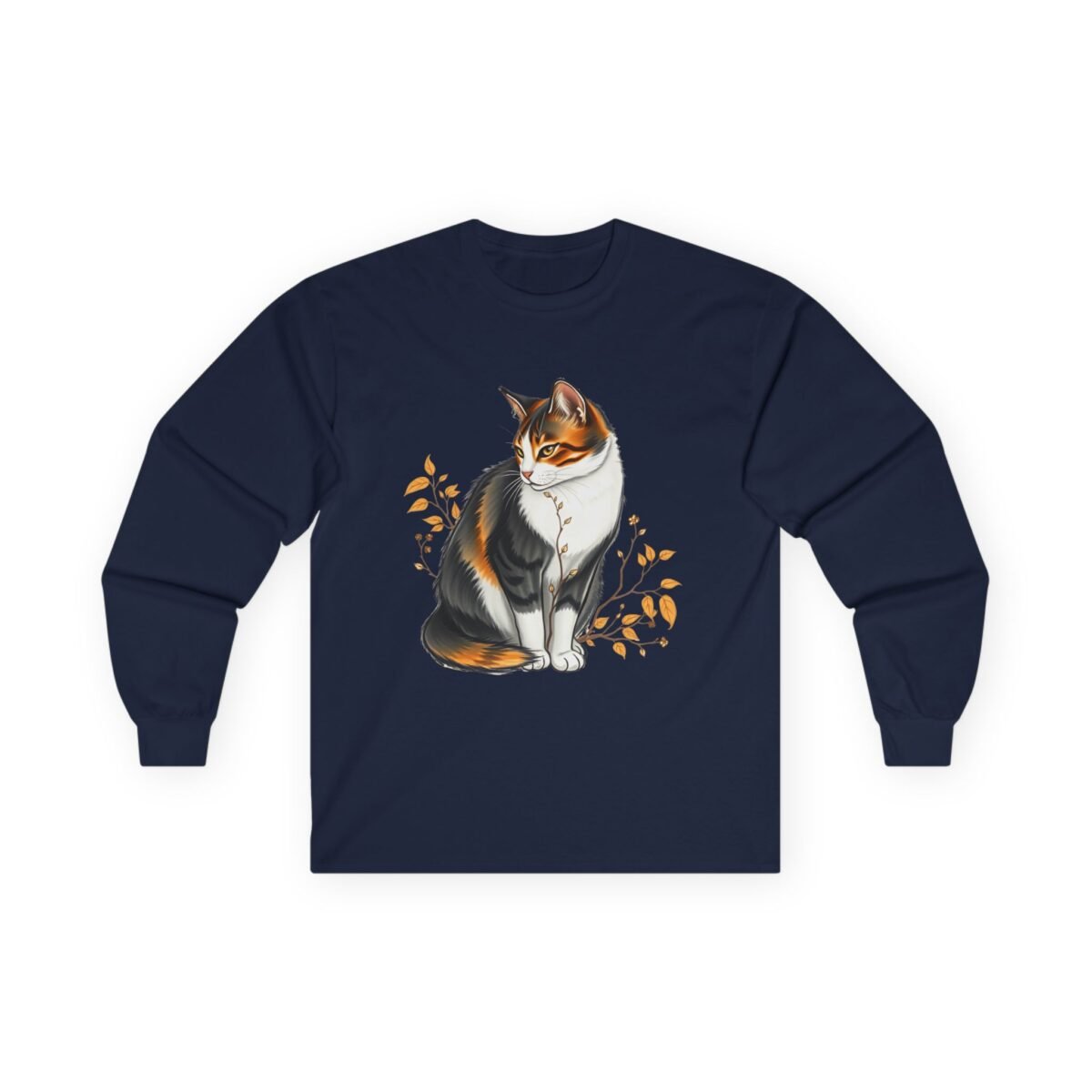
At Bella Gatti US Shop, we celebrate that mysterious bond with every Unisex Soft Cotton Tee we design for the modern cat lover.
Understanding cat trust signs is like learning a secret language that only the coolest pet parents speak fluently.
Let’s decode these subtle signals and see if your kitty thinks you are their ultimate safe space and favorite human.
The Magic of the Slow Blink and Cat Eye Contact
If you catch your cat staring at you from across the room, do not panic. They are not plotting your demise.
When a cat provides a slow blink, often called a love blink, they are communicating a high level of relaxation and comfort.
This feline behavior is a universal sign of affection, essentially acting as a kitty kiss that signals they do not perceive you as a threat.
By closing their eyes in your presence, they are showcasing cat vulnerability, proving they feel completely secure in your company.
You can even find videos on YouTube or Instagram from creators like Orangeboysofweho and Kotgacekeveryday demonstrating this subtle body language, such as slow blinking (feline kisses) and emotional bonding.
Greeting Behavior and the Upright Tail Signal
The way your cat greets you when you return home says everything about your cat social bond.
If your kitty comes running to the door with a tall, upright tail, they are expressing genuine excitement and cat loyalty.
A tail that is vertical with a slight quiver at the tip is the gold standard of cat greeting behavior and friendliness.
Some cats will even back their bottom toward you, which is a massive compliment in the world of feline body language.
Since important scent glands are located there, presenting their rear is a sign of total trust and territorial marking within the home.
Head Butting and Scent Gland Stimulation
Does your cat constantly ram their forehead into your shins or face? This is known as head bunting.
This behavior is a form of pheromone communication where they deposit oils from their scent glands onto your skin.
By marking you, they are claiming you as part of their safe territory and reinforcing their attachment to you.
Frequent head butts and cheek rubs are clear cat trust signals that you are officially part of their inner circle.
Experts at The Cat Oasis and Cats.com agree that this scent swapping is vital for maintaining a peaceful, bonded household.
Social Grooming and the Art of Allogrooming
If your cat starts licking your hair or grooming your hand, you have reached the pinnacle of cat companionship.
In the wild, cats engage in allogrooming, or social grooming, to strengthen cat social bonds and clean hard to reach spots.
When they extend this feline behavior to you, they are treating you like a member of their own family pack.
This grooming reflex is a clear indicator of deep affection and trust, showing they want to care for you as much as you care for them.
It is a beautiful example of interspecies emotional bonding that goes beyond simple pet ownership.
Choosing to Spend Quality Time and Sleeping with Cats
Cats are known as independent animals, so when they choose to be near you, it is a deliberate and meaningful choice.
Seeking to sleep in your lap or napping at the foot of your bed indicates that they feel safe and vulnerable with you.
Sleeping is the most vulnerable state for any predator, so choosing you as a pillow is the ultimate feline behavior analysis of trust.
Whether they are bringing you toys for play or just hovering in the same room, their presence is a testament to your bond.
This desire for proximity is often seen in the most affectionate cat breeds, but any cat can show this level of devotion.
Cat Kneading and the Comfort of Making Biscuits
Cat kneading, or making biscuits, is a behavior carried over from kittenhood when they would nurse from their mothers.
When an adult cat kneads your lap, they are expressing extreme contentment and a sense of safety and security.
This rhythmic movement often involves scent gland stimulation in their paws, further marking you as their favorite person.
It is a physical manifestation of cat emotions, showing they are transported back to a state of pure, infantile comfort.
Paired with soft cat vocalization patterns like purring, it is the clearest sign that your kitty is happy and trusts you completely.
1. The Enthusiastic Greeting When You Return Home
Nothing beats the feeling of walking through the door after a long day and seeing a furry face waiting for you. According to feline behavior analysis experts at Cats.com, if your cat comes running to greet you, it is a massive indicator of cat trust signs and genuine excitement.
They aren’t just checking if you brought treats or a new Unisex Soft Cotton Tee from our shop. They are genuinely happy you are back in their cat territory. This cat greeting behavior is a cornerstone of interspecies emotional bonding, showing they feel secure in your presence.
Watch for an upright tail as they approach you. In the world of feline body language, a tall, quivering, or upright tail signals contentment and a friendly, confident mood. It is one of the most visible cat trust signals you can receive.
This behavior is often discussed by cat enthusiasts on platforms like Instagram and YouTube, where accounts like Orangeboysofweho and Kotgacekeveryday showcase how independent cats still crave this social bond. It is a clear sign of cat loyalty in action.
When your kitty meets you at the door, they are engaging in territorial marking by rubbing against your legs. This uses scent gland stimulation to claim you as part of their safe family unit. It is a beautiful display of cat companionship that starts the moment you turn the key.
In short, a cat that prioritizes your arrival is a cat that feels a deep social bond. They are choosing to spend their time with you because you are their favorite person in The Cat Oasis of your home.
Expert Insight
“Cats are masters of communication and understanding their signs is essential; subtle changes in posture, tail movement, ears, and eyes can indicate whether your cat is inviting you to approach or asking for distance.” (Pam Johnson-Bennett, Feline Behavior Expert)
2. Choosing to Spend Quality Time With You
Cats are famous for being independent, so when they actively choose your company over a solo nap, it means something significant. This behavior is a cornerstone of feline behavior analysis, signaling that they view you as a source of comfort rather than a threat.
If your kitty constantly seeks out your lap or insists on sleeping in your bed, they are showing a strong social bond. In the world of feline body language, proximity is the ultimate currency of cat affection and loyalty.
Sleeping with cats is the ultimate compliment because they are at their most vulnerable when they nap. By choosing your side, they are declaring you their protector and their favorite human pillow.
This level of cat vulnerability shows they have reached a state of total relaxation. They aren’t just looking for a warm spot on your Unisex Soft Cotton Tee; they are engaging in interspecies emotional bonding that is rare in the wild.
Social bonding through play and touch is another way they prioritize you. If your cat brings you a toy, they are initiating a predatory gift-giving ritual that mirrors how they interact with their closest feline family members.
Whether they are following you from room to room or curling up while you browse Instagram, this consistent cat companionship is a clear indicator of cat trust signs. They feel safe enough to let their guard down in your presence.
At Bella Gatti US Shop, we know that being “chosen” by a cat is a high honor. It is why we design our gear to be as soft as a kitten, perfect for those long sessions of bonding and cat communication on the sofa.
3. The Famous Slow Blink Trust Signal
Have you ever caught your cat staring at you from across the room and slowly closing their eyes? In the world of feline behavior, this is often called a love blink or kitty kisses.
In the wild, closing one’s eyes is a moment of extreme vulnerability. By doing this in your presence, your cat is signaling total relaxation and comfort with you.
This slow blinking affection is a subtle, universal sign of trust. It essentially says, “I trust you enough to let my guard down and not pounce on me while I am not looking.”
According to feline behavior analysis, this act is a key component of interspecies emotional bonding. It shows your cat feels safe enough to ignore potential threats in their environment.
Many cat enthusiasts on platforms like Instagram and YouTube share videos of this behavior to highlight cat loyalty. It is a quiet but powerful form of cat communication that proves your bond.
You can actually participate in this trust signal yourself. Try looking at your cat and mimicking the slow blink back to them to reinforce your social bond.
Experts at The Cat Oasis and Cats.com suggest that returning a slow blink helps lower a cat’s stress levels. It confirms that you are a friend rather than a predator.
Whether you are wearing your favorite Unisex Soft Cotton Tee or lounging on the sofa, responding to these kitty kisses builds lasting cat companionship.
This gesture is just as important as other trust signs like kneading or upright tail greetings. It is a clear window into your cat’s complex emotions and their love for you.
4. Head Butting and Facial Rubbing
When your cat bumps their head against your chin or shoves their face into your hand, they are doing more than just being cute. In the world of feline behavior analysis, this is known as bunting.
This greeting behavior involves scent gland stimulation located on their cheeks, forehead, and lips. By rubbing against you, they are engaging in territorial marking that identifies you as a safe, trusted member of their family.
They are depositing pheromone communication markers that signal total security. It is a physical way of saying you belong to them, and they feel entirely comfortable sharing their territory with you.
Frequent head butts are basically the feline version of a high five and a hug combined. At Bella Gatti US Shop, we think this “claiming” ritual is the ultimate compliment for any cat parent.
Whether you are scrolling through Instagram or relaxing in a Unisex Soft Cotton Tee, these head butts reinforce your interspecies emotional bonding. It is a clear sign of cat loyalty and deep affection.
If your cat follows up a head butt by backing their bottom toward you, do not be offended. Presenting their bottom is another sign of trust since sensitive scent glands are located there, showing they have no fear in your presence.
This scent-sharing behavior is a pillar of cat body language. It transforms your home into a shared space of mutual cat companionship, proving that you have officially passed the vibe check.
5. Social Grooming and Allogrooming
If your cat starts licking your hair or hand, congratulations. You have officially made it into the inner circle of feline society. In the world of feline behavior analysis, this specific behavior is known as allogrooming.
Social grooming is a vital part of how cats strengthen cat social bonds within their colony. By grooming you, your kitty is treating you like a fellow feline and a trusted family member rather than a giant, clumsy stranger.
This is a clear indicator of cat affection and a biological desire to keep the scent of the family consistent. It is one of the most intimate cat trust signs because it involves a high level of proximity and interspecies emotional bonding.
When your cat engages in this behavior, they are practicing scent gland stimulation to mix your scents together. This creates a collective group odor that signals safety and belonging to the rest of the pride.
Think of it as the ultimate kitty kiss. Just like the high quality feel of a Unisex Soft Cotton Tee from Bella Gatti US Shop, this gesture is all about comfort and closeness. You are no longer just a food provider; you are family.
In short, if the tongue comes out, the walls have come down. You are now officially part of the pride and a key figure in your cat’s social bond network.
6. Presenting Their Bottom and Tail Signals
It might seem a bit rude when your kitty turns around and presents their backside, but in the world of feline behavior analysis, this is a massive compliment. By backing their bottom toward you, your cat is showing they feel completely safe in your presence.
Scent glands are located at the base of the tail, and by offering this area to you, they are sharing their most personal information. This behavior is a form of pheromone communication where they identify you as a trusted member of their inner circle.
Your cat’s tail positioning signals are one of the most honest forms of cat communication. A tall, quivering, or upright tail is a universal sign of contentment and high level friendliness during a cat greeting behavior.
If you notice the tail is hooked at the top like a question mark, your feline friend is feeling playful and happy to see you. This upright tail posture shows they are relaxed and not perceiving any threats in their environment.
Understanding these tail signals helps strengthen interspecies emotional bonding. When your cat approaches you with a vertical tail, they are actively seeking cat companionship and expressing their cat loyalty.
Many cat owners share videos of these quirky tail quivers on Instagram and YouTube to show off their cat trust signals. It is a beautiful display of cat emotions that proves your pet feels no need for defensive posturing around you.
At Bella Gatti US Shop, we think this “tail talk” is just as iconic as the designs on our Unisex Soft Cotton Tee. Whether they are rubbing their scent glands on your legs or giving you a tail flick, these are the ultimate signs of a secure cat social bond.
7. Tail Movements and Quivering
The tail is the barometer of the feline soul. While you might be wearing a Bella Gatti Unisex Soft Cotton Tee to show your love, your cat uses their tail to broadcast their internal settings. When your cat approaches you with an upright tail that starts to vibrate or quiver, you are witnessing a burst of pure joy.
This specific cat greeting behavior is a gold standard in feline behavior analysis. It is most common during high stakes moments like meal times or when you first wake up. It shows that your presence triggers a dopamine spike in their brain, confirming a deep interspecies emotional bonding that few other signals can match.
In the world of cat communication, an upright tail is a flag of friendship. According to experts at The Cat Oasis and Cats.com, this vertical position indicates a lack of aggression and a high level of cat trust signals. It is the feline equivalent of a warm, enthusiastic “Hello!” to their favorite human.
Understanding these tail positioning signals helps you decode their mood instantly. If you see that quiver, it means your cat feels a strong social bond and complete vulnerability. They are not just happy to see you; they are physically expressing their cat loyalty through rapid muscle contractions at the base of the tail.
Social media platforms like Instagram and YouTube are filled with videos from creators like Orangeboysofweho and Kotgacekeveryday showing this “rattle tail” dance. It is often accompanied by scent gland stimulation as they rub against your legs, further cementing your place in their territory.
| Tail Position |
Meaning |
Trust Level |
| Upright and Quivering |
Extreme Joy and Excitement |
Very High |
| Question Mark Hook |
Playful and Friendly |
High |
| Slow Side to Side |
Focused or Thinking |
Neutral |
| Tucked Between Legs |
Fear or Submission |
Low |
Feline body language is subtle, but once you recognize the quivering upright tail, you will realize your cat is constantly “talking” to you. This behavior is a key sign that your kitty feels safe and secure in their environment, allowing them to drop their guard and celebrate your companionship.
8. Behavioral Signs of Feeling Safe and Vulnerable
A cat that feels safe will exhibit relaxed and confident behaviors throughout the day. When your feline friend chooses to lounge in the middle of the room rather than hiding under the sofa, they are sending clear cat trust signals about their comfort level in your shared cat territory.
This sense of security often manifests through unique cat vocalization patterns. If your cat is chirping, trilling, or “chatting” with you as you move around the house, they are engaging in a sophisticated form of cat communication that mirrors the way you might chat with a friend while wearing your favorite Unisex Soft Cotton Tee.
One of the most profound vulnerability signs is when a cat exposes their belly. In the wild, exposing the stomach is dangerous because vital organs are unprotected. When your cat flops over to show you their underside, it is a high level display of feline body language that proves they do not view you as a threat.
While the “belly trap” might occasionally lead to a playful nip, it remains a gold standard of cat loyalty. This behavior shows they are willing to suspend their natural predatory instincts in favor of interspecies emotional bonding. It is the ultimate reflection of a healthy and happy cat companionship.
Confidence in their environment also means your cat might lead you to their favorite spots or engage in social bonding through play. Whether they are chasing a feather toy or simply napping near you, these actions contribute to a feline behavior analysis that points toward a deep, lasting social bond.
If you want to see more examples of these relaxed behaviors, you can find plenty of heartwarming clips on Google, YouTube, and Instagram from creators like Orangeboysofweho and Kotgacekeveryday. They perfectly capture the essence of what it looks like when a cat truly feels at home.
9. Kneading and Making Biscuits
Kneading is a rhythmic reflex carried over from kittenhood when they would nurse from their mothers to stimulate milk flow. When an adult cat does this on your lap, they are tapping into those instinctual feelings of absolute safety and comfort.
This behavior is a major pillar of feline behavior analysis, showing that your cat considers you a primary caregiver. It is often accompanied by loud purring, scent gland stimulation from their paws, and a glazed, happy expression in their eyes.
By making biscuits on your legs, they are using feline body language to tell you that you make them feel as safe as they did when they were tiny kittens. It is a beautiful display of interspecies emotional bonding that reinforces your cat social bond.
Just be careful of those sharp claws if you are not wearing one of our thick Unisex Soft Cotton Tees! Our high quality fabric acts as the perfect barrier between your skin and those affectionate, albeit pointy, kitty kisses.
Many cat owners on Instagram and YouTube share videos of this behavior, often calling it “work at the bakery.” While it looks cute, it is actually a profound sign of cat loyalty and vulnerability. They are literally marking you as their safe territory.
If your cat pairs this with a slow blink or a love blink while kneading, you have hit the jackpot of cat affection. You can find similar stories of deep feline companionship on platforms like The Cat Oasis or Cats.com, where experts explain how this reflex signifies total relaxation.
10. Predatory Gift Giving and Sharing the Spoils
Whether it is a toy mouse or a stray leaf from the garden, predatory gift giving is a major sign of cat loyalty. In the wild, successful hunters bring prey back to their colony to support those who cannot hunt for themselves.
In their minds, they are contributing to the household and making sure you are well fed. They wouldn’t share their hard earned prey with someone they didn’t trust or care for deeply.
It is a quirky, slightly messy way of showing they value your cat social bond. At Bella Gatti US Shop, we think this “delivery service” is just as impressive as our fast shipping on a Unisex Soft Cotton Tee.
Greeting Behavior When Returning Home
Do you get a furry welcoming committee when you walk through the door? If your cat comes running to greet you with an upright tail, it indicates high levels of trust and excitement.
This greeting behavior is a key sign of bonding. A tail held high, sometimes with a little quiver at the tip, is the feline equivalent of a waving hand and a big smile.
Watching for this immediate response is essential for feline behavior analysis. It shows that your presence is a source of joy rather than a disruption to their territory.
Choosing to Spend Time with You
Independent cats are known for their solo streaks, but choosing to spend time with you is a massive compliment. When a cat seeks to sleep on your lap or brings toys for play, it signals a strong social bond.
Sleeping with cats is the ultimate vulnerability sign. By napping on you, your kitty is stating that they feel entirely safe and protected in your company.
This behavior shows they view you as a source of comfort. Whether they are snoozing or nudging you for a game, they are prioritizing your companionship over their usual solitary nap spots.
Slow Blinking as a Trust Signal
The slow blink, often called a love blink or kitty kisses, is a subtle and universal sign of affection. In the world of feline body language, closing one’s eyes is a risky move.
When your cat looks at you and slowly closes their eyes, they are signaling total relaxation. They trust you enough to let their guard down and stop scanning for threats.
You can even send a love blink back to them to reinforce your interspecies emotional bonding. It is a silent way of saying, “I see you, and I love you too.”
Head Butting and Facial Rubbing
Head butting, or bunting, is how cats deposit pheromones from scent glands located on their faces. This is a form of territorial marking that claims you as part of their safe family unit.
Frequent head butts and cheek rubs are signs that your cat considers you a pillar of their environment. They are literally “marking” you with their scent to show the world you belong together.
This scent gland stimulation creates a communal smell within the home. It is a sophisticated form of pheromone communication that helps maintain a peaceful and secure territory.
Grooming You and Allogrooming
If your cat starts licking your hair or skin, you have been invited into their inner circle. Social grooming, also known as allogrooming, is a behavior used by cats to bond with their peers.
When your cat grooms you, it is a clear indicator of affection and trust. They are treating you like a fellow feline and reinforcing the emotional bond between you.
This behavior is often a follow up to a long petting session. It shows that the feelings of cat companionship are mutual and that they want to take care of you just as you take care of them.
Presenting Their Bottom and Tail Positioning
It might seem rude when a cat backs their bottom into your face, but it is actually a huge sign of trust. Scent glands are located there, and they are sharing their unique “ID badge” with you.
A tall, upright tail is another one of the most positive tail positioning signals. It shows the cat is feeling friendly, confident, and completely at ease in your presence.
Presenting these vulnerable areas proves they do not view you as a threat. Instead, they see you as a trusted friend who deserves to know exactly who they are.
Behavioral Signs of Feeling Safe
General confidence is the best indicator of a happy cat. Relaxed behaviors like napping in the middle of the room, grooming in the open, and vocal communication all reflect a cat’s trust.
Feline behavior analysis shows that a stressed cat will hide or stay silent. A trusting cat will be chatty, using various cat vocalization patterns to tell you about their day.
From the kneading reflex to the lack of bite inhibition during gentle play, every movement tells a story. When your cat feels safe, their true personality shines through, much like the bold designs on our graphic tees.
“Trust is the foundation of every feline relationship, built through small moments of vulnerability and shared space.”
Frequently Asked Questions About Cat Trust Signs
How long does it take for a cat to trust you?
Building a deep social bond with a cat is a marathon, not a sprint. While some affectionate cat breeds might warm up in a few days, most independent cats take anywhere from a few weeks to several months.
Patience and consistency are the golden rules for establishing cat trust signals. At Bella Gatti US Shop, we know that just like breaking in a new Unisex Soft Cotton Tee, feline behavior analysis shows that comfort takes time to develop.
Why does my cat follow me to the bathroom?
Your cat likely views you as a key member of their colony and wants to ensure you are safe while you are in a state of vulnerability. In the wild, cats look out for one another during moments of rest or bathroom breaks.
This behavior is also a sign of cat territory curiosity. They want to monitor every inch of their domain and stay close to their favorite human, reinforcing the interspecies emotional bonding that makes cat companionship so special.
Can a cat stop trusting you?
Yes, sudden loud noises, negative changes in the environment, or a lack of predictable routine can cause a temporary setback in cat loyalty. Cats are highly sensitive to pheromone communication and environmental shifts.
However, you can always rebuild that bond through positive reinforcement and slow blinking affection. Understanding cat vocalization patterns and respecting their space will help restore their sense of safety over time.
What does it mean when a cat licks you then bites you?
This is often referred to as a love bite or a sign of overstimulation during social grooming. While allogrooming is a high compliment, it can sometimes trigger a sudden kneading reflex or a defensive spark.
It shows they are comfortable enough to treat you like a fellow feline but might need a little break from the physical contact. Learning bite inhibition and watching for tail positioning signals can help you spot when they have had enough pets.
How do I know if my cat considers me their parent?
If your cat greets you at the door with an upright tail or engages in head butting and facial rubbing, you are officially part of the family. These actions deposit pheromones from their scent gland stimulation onto your clothes.
Whether they are giving you kitty kisses through a love blink or choosing to sleep with you at night, these are the ultimate signs of cat emotions. You can find more tips on feline body language by watching experts on YouTube or following the community at Cats.com and The Cat Oasis.