TL;DR (Too Long; Didn’t Read)
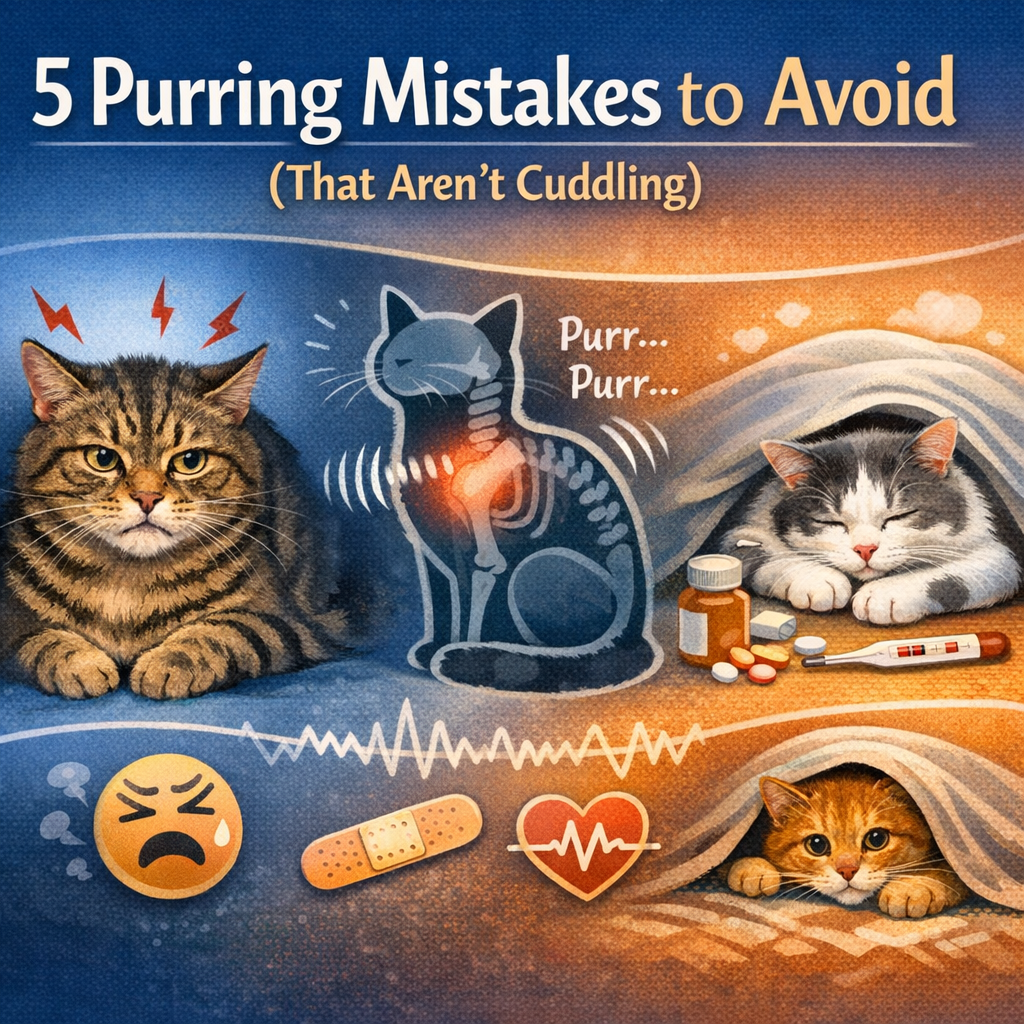
- More Than Happiness: Purring is a multifaceted tool used not just for contentment, but also for self-soothing during stress, pain, or illness, and even as a biological healing mechanism (25–150 Hz) to repair bone and tissue.
- Context Matters: Distinguish between different types of purrs, such as the high-pitched “solicitation purr” used to demand food and the “stress purr” accompanied by tense body language, to avoid overfeeding or crossing physical boundaries.
- Holistic Communication: Cats often show affection through non-vocal cues like head-butting, kneading (“making biscuits”), and slow-blinking; conversely, a purring cat may actually be asking for space if their ears are pinned or tail is flicking.
- Health Awareness: A “rattling” or sudden change in purr quality can signal respiratory distress or serious health issues; elite owners monitor these nuances alongside overall body language to ensure their cat’s well-being.
Table of Contents
Ah, the purr. That delightful rumble, the very soundtrack of feline contentment. It fills our homes, warms our laps, and makes us feel like the best cat parents ever. But hold on a minute, savvy cat whisperer.
What if we told you that believing every single purr signals pure bliss is, well, a critical mistake? Shocking, right? It turns out, our furry overlords are more complex than a simple “happy noise” machine. Sometimes, that purr is a stress purr, a healing purr, or even a subtle “back off, human” purr.
Let’s dive into the fascinating, sometimes confusing, world of feline communication. Understanding these nuances makes you a truly elite cat owner. Let’s get witty with it.
Expert Insight
“Purring isn’t just a sign of happiness, it’s a multi-purpose vocalization tied to contentment, healing, and even stress; understanding these nuances beyond a simple ‘happy noise’ is what makes you a truly elite cat owner.” – Dr. Duncan Houston, BVSc – Veterinarian & Founder
Mistake 1: The ‘Happy Noise Only’ Trap
A cat’s purr can occur when injured or sick, not just when content. Think of it as a form of self-soothing or vibrational therapy. Purring frequency and volume vary among cats; some purr as a biofeedback for healing, others when relaxed, and some during tense situations. Data points include that cats purr on a healing frequency (specifically between 25-150 Hz, which is known to promote bone density and tissue repair), and a sick cat can purr just as loudly as a healthy one.
Mistake 1: The ‘Happy Noise Only’ Trap
We’ve all been there. Your cat is purring, and you think, “Ah, pure contentment.” But what if that purr is actually a sophisticated self-soothing mechanism? Many cat owners fall into the “happy noise only” trap, overlooking the true complexity of feline communication.
Cats purr when injured or stressed, not just when they’re receiving cat affection. This is their way of engaging in vibrational therapy, a biological comfort blanket. Ignoring subtle distress signals because of a purr can be a major cat parenting mistake, impacting the human-animal bond.
Indeed, purring as a multifaceted communication tool signals many things beyond happiness, such as healing, stress relief, or tension. A cat’s purr can occur when injured or sick, not just when content. This highlights the nuanced cat behavior we often misinterpret.
Better Approach: Observe Cat Body Language
Look beyond the purr. Are their ears pinned back? Is their tail tucked? Are they unusually tense? These are all signs that your cat might be purring to cope, not to celebrate. Pay attention to the full picture of their cat body language. Even a timid cat or a shy cat might purr when stressed, indicating cat social anxiety or discomfort, rather than a desire for more cat cuddling.
Remember, cats do not always initiate affection. Some cats are naturally shy or socially awkward, even if they enjoy petting. For instance, an adopted cat behavior might include purring when approached, not because they are thrilled, but as a coping mechanism. Early exposure and kitten development play a huge role in their comfort with closeness and socialization with humans.
The variability of purring triggers and responses is vast. Purring frequency and volume vary among cats; some purr as a biofeedback for healing, others when relaxed, and some during tense situations. Data suggests cats purr on a healing frequency of 25-150 Hz, and a sick cat can purr just as loudly as a healthy one. This challenges the notion that purring is solely a sign of happiness, as discussed on platforms like Reddit and YouTube.
Expert Insight
“The vibrations of a cat’s purr, resonating at frequencies between 25 and 150 Hertz, act as a natural healing mechanism that can promote bone density, reduce inflammation, and lower human blood pressure, serving as both a biofeedback tool for the cat and a therapeutic symphony for its owner.” – Veterinary Health Researcher
Mistake 2: The Boundary Buster
Sometimes, that sweet purr isn’t a sign of cat affection, but rather a polite (or not-so-polite) request for you to back off. Cats, especially a timid cat or one with cat social anxiety, will purr during defensive situations or when they feel trapped. This is a crucial aspect of feline behavior and feline communication often overlooked.
The mistake? Continuing to pet or hold a cat whose cat body language, such as pinned ears, a flicking tail, or a stiff posture, directly contradicts their purr. This isn’t cat cuddling; it’s ignoring their boundaries, which can severely damage the human-animal bond.
Better Approach: Respect Feline Communication
You need to become a master of feline communication. If a cat is cat purring but showing signs of discomfort, stop the interaction immediately. Give them space. Forcing non-reciprocal affection can create a socially awkward pet and lead to negative cat interaction. Respecting their boundaries is key to healthy pet bonding and understanding their unique cat personality.
Cats Don’t Always Initiate Affection
It’s a common misconception that if a cat isn’t initiating affection, they don’t want it. However, many cats, particularly shy cats or those who had limited socialization with humans during kitten development, may not actively come for attention even if they enjoy cat lap time and petting. For example, an adopted cat behavior study found that a 9-year-old cat might only seek affection when prompted by their owner. Their cat temperament and early exposure significantly impact their comfort with closeness.
Purring as a Multifaceted Communication Tool
Remember, cat purring is so much more than just a happy sound. It’s a complex, multifaceted communication tool. Cats purr for healing, stress relief, and even tension. A cat’s purr can occur when injured or sick, not just when content. The frequency and volume of a purr vary; some cats use it as biofeedback for healing, purring on a proven healing frequency between 25-150 Hz. This means a sick cat can purr just as loudly as a healthy one, making it crucial to observe other cat body language cues.
Mistake 3: The Hunger Misinterpretation
Not all purrs are created equal, especially when it comes to mealtime. There’s a distinct difference between a content purr and the high-pitched “solicitation purr” used specifically to demand food. This particular purr often has a cry embedded within it, designed to get your attention and activate that human-animal bond.
The mistake here is rewarding every rumble with snacks, leading to overfeeding. This can be a common cat parenting mistake, similar to how owners might overfeed a dog who gives “puppy eyes.” You might think you’re showing cat affection, but you’re actually creating a demanding cat personality.
Better Approach: Stick to a Feeding Schedule
Understand the difference in cat purring. If your cat is purring like a tiny motorboat with a hint of urgency, check the clock. This specific feline communication is often a hunger signal. If it’s not mealtime, resist the urge to offer treats. This helps manage their weight and teaches them that their purr isn’t an automatic food dispenser.
Establishing good habits early also helps with kitten development. For an adopted cat behavior, consistent feeding schedules can reduce anxiety. Remember, purring is a multifaceted communication tool, and recognizing these nuances makes you a true expert in feline behavior.
Cats display affection through body language without purring. A cat might head-butt you or knead your lap, making biscuits, to show they’re happy, even without a loud purr. These are clear signs of feline affection that don’t involve demanding food.
The variability of purring triggers and responses is fascinating. Some cats purr when relaxed, others during tense situations. Factors like approaching with a big head or petting in a specific spot can influence their purring. It’s all part of their complex cat personality.
| Purr Type |
Characteristics |
Meaning |
| Content Purr |
Low, steady, consistent |
Relaxed, happy, comfortable |
| Solicitation Purr |
Higher pitch, often with a meow-like cry embedded |
Demanding food, attention, or something specific |
| Stress Purr |
Can be varied, often accompanied by tense cat body language |
Self-soothing, pain, fear |
| Healing Purr |
Often very low frequency, subtle |
Biological self-repair mechanism |
Mistake 4: Missing the Health Signal
Sometimes, a purr isn’t just a purr; it’s a distress call, a subtle feline communication. A sudden change in purr intensity or frequency, or a purr accompanied by labored breathing, can signal serious respiratory issues. This is a critical feline communication signal you absolutely shouldn’t miss.
The mistake is dismissing a “rattling purr” as normal. While cats do purr on a healing frequency, a purr that sounds off should never be ignored. A sick cat can purr just as loudly as a healthy one, but the quality might be distinctly different, especially for a timid cat or an adopted cat behavior you’re still learning.
Purring as a Multifaceted Communication Tool
Feline behavior experts emphasize that purring signals many things beyond just happiness. It’s a multifaceted communication tool that can indicate healing, stress relief, or even tension. For instance, a cat’s purr can occur when injured or sick, not solely when content. The purring frequency and volume vary among cats; some purr as a biofeedback mechanism for healing, others when relaxed, and some during tense situations. Data points confirm that cats purr on a healing frequency, and a sick cat can purr just as loudly as a healthy one, making it crucial to pay attention to other cat body language cues.
Better Approach: Consult Your Vet
If your cat’s purr sounds unusual, or if they are showing any other signs of illness, a trip to the vet is in order. Early detection can make a huge difference, especially given the nuances of cat personality traits. This is vital for pet adoption and ensuring the long-term health of your adopted cat behavior. Don’t let a “Purrfect Facts” video on YouTube or a Reddit thread convince you to ignore a genuine health concern. Your human-animal bond relies on your attentiveness.
Mistake 5: Ignoring the Healing Power
This isn’t a mistake of action, but rather of appreciation. You see, when it comes to cat purring, there’s a whole lot more going on than just a happy rumble. Cats purr at a low-frequency vibration, typically between 25 and 150 Hz. This specific range, according to Purrfect Facts, is scientifically linked to promoting bone density and tissue repair. It’s their built-in healing mechanism, a testament to their incredible internal bio-mechanics and a fascinating aspect of feline communication.
The mistake? Underestimating the biological importance of the purr and not appreciating the cat’s internal bio-mechanics. This isn’t just a cute sound; it’s a powerful biological function. Think of it as a form of biofeedback, a self-soothing and self-healing tool that highlights the complexity of cat behavior.
Better Approach: Marvel at Their Biology
Take a moment to truly appreciate the incredible physiology of your cat. Their purr isn’t solely for human enjoyment; it’s a vital part of their health and well-being. It’s a reminder of the amazing complexity of feline behavior and the unique aspects of cat personality traits. This understanding deepens the human-animal bond.
A cat’s purr is a multifaceted communication tool. While a purr often signals contentment, it also serves as a self-soothing mechanism during stress or injury. For instance, a cat purring on your chest when you’re feeling unwell might not just be happy; they could be trying to comfort you, a beautiful example of how cats purr to soothe or reassure humans. This variability of purring triggers and responses is a key aspect of understanding your pet.
Feline behavior experts note that purring can occur when a cat is injured or sick, not just when they’re content. This is a crucial point for cat parenting mistakes, as it challenges the common misconception that all purring equals pure bliss. A timid cat or a shy cat, for example, might purr when approached, not necessarily out of joy, but as a way to self-regulate or even to signal a need for space. Understanding cat body language is key here.
The low-frequency vibration of a purr is a fascinating aspect of cat purring, demonstrating how cats utilize their own bodies for healing. This makes a strong case for appreciating the cat’s internal bio-mechanics. A truly elite cat owner understands that a purr is far more than just “cat affection”; it’s a profound display of feline communication and a testament to their unique cat personality.
Mistake 5: Ignoring the Healing Power (And Its Deeper Meaning)
This isn’t just a mistake of action, but a missed opportunity for appreciation. You see, when it comes to cat purring, there’s a whole lot more going on than just a happy rumble. Cats purr at a low-frequency vibration, typically between 25 and 150 Hz. This specific range, according to Purrfect Facts, is scientifically linked to promoting bone density and tissue repair. It’s their built-in healing mechanism, a testament to their incredible internal bio-mechanics and feline behavior.
Underestimating the biological importance of the purr means you’re missing a key aspect of feline communication. That soothing rumble isn’t just for emotional comfort; it’s a powerful tool for self-healing. A sick cat can purr just as loudly as a healthy one, a clear sign that purring as a multifaceted communication tool extends far beyond simple contentment, often signaling healing, stress relief, or even tension.
Some cats, like a timid cat or an adopted cat behavior, might not always initiate affection. It’s a common misconception that if a cat doesn’t come to you, they don’t want affection. Competitors frequently mention that some cats are shy, timid, or socially awkward pets, and may not initiate affection even if they enjoy petting and cuddling. For example, a 9-year-old cat may only seek affection when prompted by their owner, and some cats may prefer to follow but not actively come to be petted. Studies suggest that cat personality traits influence initiating affection, and early exposure impacts their comfort with closeness.
Don’t take it personally. Your cat personality, shaped by kitten development and past experiences, plays a huge role in how they show cat affection. Patience and understanding are key to building that strong human-animal bond. Sometimes, a cat snuggling on a sick person’s chest purrs not necessarily due to happiness but to offer comfort, showing purring to soothe or reassure humans is a real thing.
Cats also display affection through cat body language without purring. They may communicate happiness by actively engaging in behaviors like head-butting, cat kneading (or “making biscuits”), or active body contact without necessarily purring. Cats focusing on active gestures during homecomings or kneading to scent mark highlight alternative affectionate signals. Studies highlight that purring is not the only indicator of a cat’s emotional state.
The variability of purring triggers and responses is fascinating. Cats purr due to various triggers, including relief, tension, or initiation of bonding. Factors like approaching with a big head or petting in place influence their purring. Purring can also be absent during certain rituals, indicating different emotional states. Data suggests that purring is context-dependent and not solely linked to happiness. It’s all part of the intricate dance of cat interaction and feline communication.
Purring to Soothe or Reassure Humans
Here’s a heartwarming twist in feline communication: sometimes, cat purring isn’t just about their own well-being. Cats actually purr to comfort us, their beloved humans! This beautiful aspect of the human-animal bond shows how deeply intertwined our lives can become.
Multiple examples show cats purring to comfort their owners, especially when an owner feels unwell or stressed. Imagine your cat snuggling on your chest, purring not necessarily due to their own happiness, but to offer comfort. It’s their unique way of showing cat affection and strengthening your pet bonding.
This behavior varies based on emotional cues rather than just physical affection. Competitors note that purring can be a way for cats to help us feel better, demonstrating a deep understanding of our emotional states. It highlights the nuanced cat personality traits and the multifaceted nature of feline behavior, moving beyond the simple “happy noise” trap.
Cats Display Affection Through Body Language Without Purring
You know, that delightful rumble isn’t the only way your feline friend says, “I love you!” In fact, cat purring is just one facet of their intricate feline communication. Cats frequently communicate happiness and cat affection through a range of cat body language cues, often without a single purr. Think about it: a head-butt against your leg, the rhythmic making biscuits on your lap, or simply rubbing against you for active body contact are all powerful signals.
These active gestures, like head bunting during your homecoming or cat kneading to scent mark you as theirs, highlight a cat’s deep bond. It’s a subtle but profound way they show you belong to their pride. Don’t forget the slow blinking communication, a classic sign of trust and affection. These actions, often involving the scent glands in paws, are strong indicators of a cat’s emotional state, proving that purring is not the only indicator of a cat’s emotional state.
Studies consistently highlight that while cat purring is a multifaceted communication tool, it’s far from the only indicator of feline affection signs. Sometimes, a shy cat or a timid cat, or even a socially awkward pet, might not initiate affection with a purr, but will still show it through these quiet, physical expressions. So, when you’re looking for signs of love, broaden your gaze beyond just the purr; you’ll find a whole language of love in their actions.
Variability of Purring Triggers and Responses
You know, that delightful rumble isn’t the only way your feline friend says, “I love you!” In fact, cat purring is just one facet of their intricate feline communication. Cats frequently communicate happiness and cat affection through a range of cat body language cues, often without a single purr. Think about it: they might offer a slow blink, a head bunt, or even make biscuits on your lap. These actions are clear signs of feline affection, demonstrating a deep human-animal bond.
Cats purr due to various triggers, including relief, tension, or the initiation of bonding. Factors like approaching with a big head or petting in place can certainly influence their purring. But did you know purring can even be absent during certain rituals, indicating different emotional states? Data suggests that cat purring is incredibly context-dependent and not solely linked to happiness.
Every cat is an individual, a unique blend of cat personality and history. Their purring response is just as unique, a reflection of their individual cat temperament. This variability is what makes feline behavior so fascinating and why pet bonding is such a rewarding journey. Even a timid cat or a shy cat, perhaps an adopted cat, will show unique patterns of cat interaction.
For example, some cats purr as a biofeedback mechanism for healing, while others purr when relaxed, and some even during tense situations. It’s truly a multifaceted communication tool. A cat’s purr can occur when injured or sick, not just when content. A sick cat can purr just as loudly as a healthy one, often using purring as a defense mechanism or a way to self-soothe. The low-frequency vibration (25-150 Hz) of a purr is even linked to bone density and tissue repair, making it a powerful healing purr.
This subtle difference in cat purring highlights why understanding feline communication goes beyond just interpreting a rumble. It’s about observing the whole picture of cat body language and respecting the cat’s social anxiety or comfort levels. This nuanced understanding is what separates a good cat parent from an elite one, truly embracing the depth of the human-animal bond.
Conclusion: Become an Elite Cat Owner
So, there you have it. The purr, that delightful rumble we all adore, is far more intricate than we often give it credit for. By understanding these five purring mistakes and adopting better approaches, you’re not just a cat owner; you’re an elite cat owner. You’re diving deep into feline communication, moving beyond common cat parenting mistakes.
The Nuance of Feline Affection and Purring
You’re attuned to the subtle language of your feline friend, respecting their boundaries, understanding their needs, and appreciating their incredible biology. This advanced understanding of cat behavior and cat personality sets you apart. Remember, cats do not always initiate affection, especially if they are a timid cat or a shy cat. Some cats, even a 9-year-old adopted cat, may prefer to follow you around rather than actively seeking cat lap time, showing their affection without a single purr. This variability of purring triggers and responses is key to understanding the human-animal bond.
Purring: More Than Just Happiness
The purr itself is a multifaceted communication tool. It’s not just a sign of contentment during cat cuddling. Cats purr for healing, stress relief, or even tension. A cat’s purr can occur when injured or sick, not solely when they’re relaxed. Think of it as a biofeedback mechanism; cats purr on a healing frequency between 25-150 Hz, which is linked to bone density and tissue repair. A sick cat can purr just as loudly as a healthy one, making it crucial to observe other cat body language cues. This understanding helps you avoid missing critical health signals, distinguishing a ‘rattling purr’ from a happy one.
Cats Comforting Humans and Alternative Affection
Intriguingly, purring can also be a way for cats to soothe or reassure humans. If your cat snuggles on your chest and purrs when you’re feeling unwell, they might not be purring out of pure happiness, but to offer comfort. This demonstrates the depth of the pet bonding and cat interaction. Moreover, cats display affection through body language without purring. A slow blink, a head bunting, making biscuits (cat kneading), or even rubbing against you are all strong signs of feline affection. These gestures, often involving scent glands in paws, are vital for understanding your cat’s emotional state, especially for a socially awkward pet. This rich feline communication goes beyond just sound.
That’s a level of cat parenting worthy of celebration, making you a true expert in feline behavior. Perhaps with a soft, expressive Bella Gatti US Shop tee? Just a thought for an elite cat owner.
Frequently Asked Questions About Feline Communication
So, you’ve mastered the art of spotting a “solicitation purr” and know your cat’s “healing purr” from their “happy rumble.” You’re truly becoming an elite cat owner, understanding the nuances of feline communication. But perhaps you have a few more burning questions about cat behavior and feline affection signs. Let’s dive deeper into some common queries that will further solidify your status as a top-tier cat parent.
What is a solicitation purr?
A solicitation purr is a specific, clever vocalization cats use when they want something from you, usually food or attention. It’s often characterized by a higher pitch and a more urgent, almost meow-like cry embedded within the usual purr sound. It’s their way of saying, “Hey, human! My bowl is empty!” or “Pet me NOW!” This purr is a prime example of their intelligent cat behavior.
Can a cat purr when they are in pain or stressed?
Absolutely. This is one of the most critical aspects of understanding cat purring. Cats frequently purr when they are in pain, injured, or stressed. Think of it as a “healing purr” or “stress purr.” The low-frequency vibrations (between 25-150 Hz) are a self-soothing mechanism, similar to how we might hum when we’re anxious. These vibrations are also linked to aiding bone density and tissue repair, a fascinating piece of feline bio-mechanics! A sick cat can purr just as loudly as a healthy one, so always observe other cat body language cues to determine their true state. This multifaceted communication tool helps them cope.
How can I tell if my cat’s purr is a sign of stress?
Interpreting your cat’s purr requires keen observation of their overall cat body language. If your cat is purring but also displaying other signs of discomfort, such as pinned ears, a flicking tail, tense muscles, hiding, or unusual vocalizations, it’s highly likely a stress purr. For instance, if your timid cat is purring while trapped in a carrier, that purr is more about coping with anxiety than contentment. Socialization with humans, especially early exposure, impacts how they manage stress, so knowing their cat personality traits helps a lot.
Do all cats purr?
Most domestic cats purr, but the frequency and intensity can vary greatly between individuals. Some cats are naturally more vocal purrers, while others purr very subtly or in specific contexts. The absence of a purr doesn’t necessarily mean a cat is unhappy or lacks cat affection. Cats display affection through body language without purring all the time! They communicate happiness through many other behaviors like head bunting, making biscuits (kneading), or slow blinking communication. An adopted cat behavior may also include less purring initially as they adjust, highlighting the importance of patience and understanding personality differences.
Why is it important to understand different types of purrs?
Understanding the nuances of cat purring helps you better interpret your cat’s emotional and physical state, strengthening the human-animal bond. It allows for more effective feline communication, moving you beyond common cat parenting mistakes. By recognizing a “healing purr” or a “solicitation purr,” you can identify potential health issues, avoid overfeeding, and offer appropriate comfort, making you a more responsive and empathetic cat parent. This deep dive into cat behavior truly distinguishes an ordinary owner from an elite one, ready to celebrate their pet bonding prowess with a Bella Gatti US Shop tee!