TL;DR (Too Long; Didn’t Read)
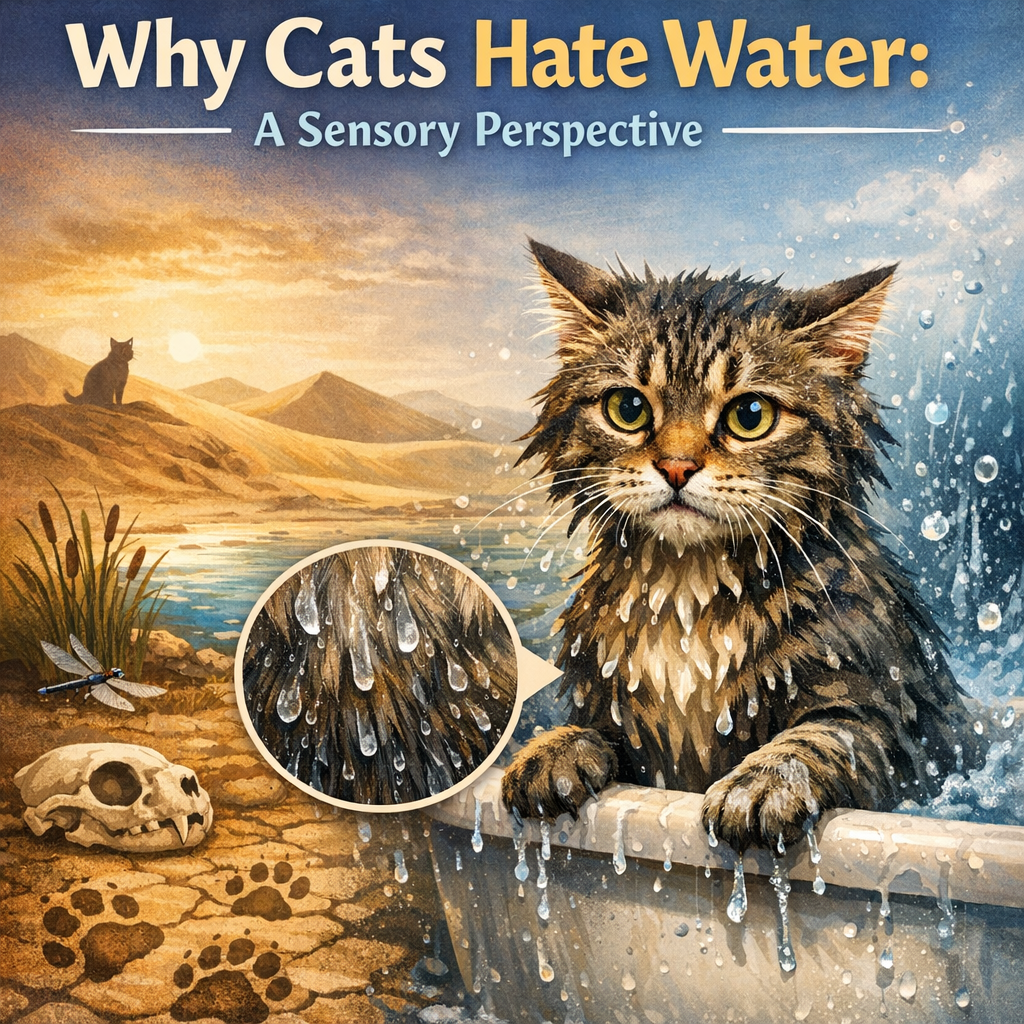
- Evolutionary & Physical Traits: Descended from desert-dwelling ancestors, house cats lack instinctual familiarity with water; additionally, their non-oily fur absorbs water like a sponge, making them feel heavy, vulnerable, and prone to hypothermia.
- Sensory Overload: Cats have highly sensitive hearing and smell; the roar of running water, the chemical scent of tap water, and strong fragrances in shampoos can trigger intense stress and anxiety.
- Loss of Control: Wetness impairs a cat’s agility and “predator escape” instincts, leading to a spike in cortisol levels (stress hormones) as they feel unable to move or defend themselves effectively.
- Grooming Alternatives: Since cats are naturally efficient self-cleaners, experts recommend using waterless foams, wipes, or warm damp cloths to avoid the trauma and physical shock associated with traditional baths.
Table of Contents
You have likely seen the classic cartoon trope: a cat touches a single drop of water and launches into the air like a rocket. It is a staple of feline humor, but for your pet, the struggle is very real. While you might enjoy a relaxing soak, your cat likely views the bathtub as a chamber of soggy horrors.
At Bella Gatti US Shop, we celebrate the quirky side of feline life through our Unisex Soft Cotton Tees, but we also care about the science behind the hiss. Understanding why your cat treats a bath like a personal insult requires looking at their history, their fur, and their incredibly sharp senses.
In short: it is not just drama. Whether you are browsing Reddit for advice or watching a viral YouTube video of a feline water fail, the reality is rooted in biology and feline behavior.
The Evolutionary Roots of Feline Water Aversion
Domesticated cats generally prefer dry environments thanks to inherited traits from their ancestors. Most feline species evolved in arid climates in the Middle East and Africa, where large bodies of water were rare and often dangerous.
This evolutionary history means cats lack the instinctual familiarity with swimming that many dogs possess. Instead of seeing a lake as a playground, your cat sees a liquid abyss that could hide predators or lead to a dangerous loss of control.
Cat Fur Absorption and the Risk of Hypothermia
When a cat gets wet, their fur absorbs water like a heavy sponge, making them feel weighed down and clumsy. This impairs mobility, making it harder for them to flee from perceived threats, which triggers a spike in cortisol levels.
Sensory Overload: Smell and Sound
Cats have an incredibly high feline sensory perception, especially when it comes to their sense of smell. They often dislike water because of the chemical scent of soaps, shampoos, or even the chlorine found in tap water.
Heavy use of scented bath products can further deter cats, as these smells overwhelm their delicate noses. To a cat, your “lavender breeze” shampoo might smell like a chemical attack on their personal identity.
The sounds associated with bathing are equally terrifying. Noises like splashing, the roar of running water, or the echo of a filling bathtub can scare cats and send them into a state of panic. This auditory stress is often what leads to those infamous cat scratches during bath time.
Past Trauma and Negative Experiences
According to experts like Sandra Mitchell and Brittany Klesznyski at PetMD, past negative experiences create trauma that increases water dislike. If a cat accidentally fell into a pool or was forced into a cold bath as a kitten, they may develop a lifelong aversion.
Animal trauma is difficult to overwrite. If their first introduction to water is negative, their brain associates the sight of the bathroom with a threat to their survival. This is why many owners turn to All Creatures Veterinary Services or feline behavior consultants to manage chronic anxiety in animals.
Managing Cat Stress and Grooming Alternatives
While some owners in Maine or Eddington might have cats that tolerate a dip, most indoor cats prefer a bathless bath. Using waterless foam or simple cat grooming brushes is often enough to keep them clean without the drama.
If a bath is medically necessary, using warm water is critical. Cats may tolerate warm water but react strongly to cold water, which can cause shock. Always use positive reinforcement training and keep your iPhone nearby, not for a YouTube video, but to time a very quick, efficient session.
At the end of the day, your cat’s fear is a natural predator escape mechanism. Respecting their boundaries is the best way to keep their cortisol levels low and your relationship strong. After all, they look much better on a Unisex Soft Cotton Tee than they do in a bathtub!
Primary Reasons Cats Hate Water
One of the biggest drivers of feline water aversion is a negative past experience. According to Brittany Klesznyski, DVM, a single accidental fall into a full bathtub can create a lasting water trauma.
This memory sticks with them, turning a simple faucet drip into a trigger for cat anxiety. Data suggests that if a kitten is not introduced to moisture in a gentle way, they develop a lifelong cat fear.
This is why positive reinforcement training is so vital during their early months. Without it, the sight of a sponge or a spray bottle becomes a source of cat stress that lingers for years.
At Bella Gatti US Shop, we see this drama play out in our graphic designs, but in reality, chronic anxiety in animals is no joke. Even cats with no history of trauma often choose to stay dry due to their instincts.
Their ancestors lived in arid climates where large bodies of water were rare. Survival for these desert dwellers meant staying dry and agile, not taking a dip in the local lake or stream.
Cats’ Sensory Response to Water
When a cat gets wet, it is not just a minor inconvenience. Feline sensory perception is highly tuned, and wet cat fur feels incredibly heavy and uncomfortable for them.
Unlike some dog breeds, cat fur absorption is high because their coats are not oily. Once soaked, the fur loses its insulating properties, which can lead to a dangerous drop in body temperature.
This weight also impairs their mobility, making them feel vulnerable. In the wild, a heavy coat makes a predator escape much harder, which is why your indoor cats still react with such intensity.
Impact of Temperature on Water Aversion
Temperature plays a massive role in how a cat reacts to a cat bath. Most felines have a higher natural body temperature than humans, making them very sensitive to the cold.
Cold water can cause immediate shock and significantly increase their fear levels. Many experts, including those at PetMD and All Creatures Veterinary Services, note that cats may tolerate warm water much better.
If you must wash your pet, ensure the water is lukewarm. Research shows that cold water triggers higher cortisol levels, while warm water helps maintain thermoregulation and prevents hypothermia in pets.
Smell Sensitivity and Water
A cat sense of smell is fourteen times stronger than a human’s. They often dislike water because of the chemicals found in tap water or the scent of soaps and shampoos.
Scented bath products can be overwhelming and even offensive to their delicate noses. This scent sensitivity is a major reason why many owners opt for a bathless bath or specialized wipes for cleaning cats.
If you use a heavy perfume or a citrus-scented wash, you are essentially doubling the cat stress. They want to smell like themselves, not a lavender field or a bottle of chemicals.
Sound and Visual Cues Associated with Water
It is not just the wetness that scares them; it is the presentation. The loud, rushing sound of running water or the sight of a filling tub can send a cat into a panic.
Feline behavior experts like Sandra Mitchell suggest that these noises mimic the sounds of danger in the wild. To reduce cat anxiety, try using pre-filled containers instead of a running faucet.
Quiet methods help lower cortisol levels and make the experience less terrifying. You can find plenty of tips on Reddit or YouTube from owners in Maine or Eddington who have mastered the art of the calm bath.
Cats’ Natural Disposition Toward Water
Domesticated cats generally prefer dry environments thanks to an inherited trait from their wild ancestors. Their fur structure is simply not designed for swimming or frequent soaking.
This instinctual fear is a survival mechanism. While some breeds like the Turkish Van are known to enjoy a swim, the average house cat views water as a threat to their safety and cat health.
At the end of the day, your cat’s water aversion is a mix of biology and history. Understanding these feline behavior traits helps you provide a better, less stressful home for your furry friend.
Expert Insight
“Historically, cats lived in dry, desert environments which means they weren’t adapted to swim or spend time in water, and this trait has passed down to many of our domestic cats.”, Anna Ewers Clark, Veterinary Research and Standards Lead at Blue Cross
Cats’ Sensory Response to Water
When your cat gets wet, they are not just damp; they are physically compromised. Unlike dogs, whose coats often have oily properties to shed moisture, cat fur absorption is incredibly high. Their fur acts like a heavy, sodden sponge that clings directly to their skin.
This creates a massive weight on their small frames. Imagine trying to run a marathon in a heavy, wet wool sweater. For a predator that relies on speed and predator escape, this loss of mobility feels like a total loss of control. It makes them feel vulnerable and sluggish, which is why feline sensory perception interprets wetness as a threat.
Furthermore, wet fur leads to a rapid drop in body temperature. Because their coats take so long to dry, cats are at a genuine risk of hypothermia in pets if they cannot find a heat source quickly. This is why you often see a wet cat shivering uncontrollably even in a warm room; their thermoregulation is failing them.
According to Sandra Mitchell, DVM, at All Creatures Veterinary Services, this physical discomfort is a major factor in water aversion. When cortisol levels spike during a bath, it is a physiological reaction to the fear of being weighed down and chilled. This is why many owners on Reddit and YouTube share videos of cats desperately trying to climb out of the tub.
Experts at PetMD suggest that this sensory overload is why cat anxiety peaks during grooming sessions. If you are in Maine, specifically near Eddington, local vets often recommend a bathless bath or waterless foam to avoid the animal trauma associated with complete soaking. Keeping your cat dry helps maintain their cat health and prevents the cat stress that comes from a heavy, wet coat.
Expert Insight
“They are not bred for this. Maybe 50 years ago, they were bred for this, but they’re domestic. They live in a house, they live with heat. They don’t live outside, their coats don’t adjust to that in 10 minutes.”, Dr. Gayle Block, Town & Country Veterinary Associates
Impact of Temperature on Water Aversion
Temperature plays a massive role in how a cat perceives a bath. Most cats have a natural preference for warm water because it closer matches their high internal body temperature of around 102 degrees Fahrenheit.
According to experts like Sandra Mitchell and the team at All Creatures Veterinary Services, cold water can cause an immediate physical shock. This shock sends cortisol levels spiking, putting your cat into a state of high alert and chronic anxiety.
If you have ever used cold water to wash a muddy paw, you likely noticed an immediate increase in cat scratches and escape attempts. The cold sensation is interpreted as a direct threat to their thermoregulation and can even lead to hypothermia in pets if they are not dried quickly.
In short: if the water is not perfectly tepid, your cat is going to check out mentally and physically. Maintaining a stable temperature is the only way to mitigate the feline sensory perception of danger during grooming sessions.
Veterinary resources like PetMD and experts such as Brittany Klesznyski emphasize that cats are highly sensitive to these shifts. A sudden drop in temperature can trigger a predator escape response, making them feel vulnerable and exposed.
To avoid water trauma, many owners in places from Maine to Eddington are turning to a bathless bath or using pre-filled containers to keep the environment quiet. This reduces the stress associated with the loud sound of running water or a splashing faucet.
If you must use a traditional cat bath, ensure the water is warm but not hot. Using positive reinforcement training and avoiding heavy scented bath products can help keep your indoor cats calm and prevent a negative past experience from becoming a lifelong fear.
For more tips on feline behavior and how to handle cat stress, you can find great community advice on Reddit or watch professional grooming tutorials on YouTube and Google using your iPhone to stay prepared.
Expert Insight
“When addressing feline heat safety or grooming, never submerge your pet in ice or cold water as this can lead to shock; instead, use room temperature or cool water and monitor for signs of stress like panting, which can weaken the immune system and raise cortisol levels.”, Veterinary Health Expert
Smell Sensitivity and Water
You might love the scent of lavender or citrus, but to your cat, scented bath products are a total sensory nightmare. A cat sense of smell is significantly more powerful than yours. They can easily detect the chlorine, fluoride, and minerals in tap water that you never notice.
When you lather them up with a fresh scent shampoo, you are effectively erasing their natural identity. Cats spend hours grooming to ensure they smell like themselves. Stripping that away with chemicals causes cat stress and confusion, which is a major factor in feline water aversion.
According to experts at All Creatures Veterinary Services in Eddington, Maine, the chemical odor of municipal water is enough to keep a cat away from the sink. This is a key reason why cats hate water. They are not just being picky; they are protecting their sensory boundaries from overwhelming artificial smells.
Dr. Sandra Mitchell and other feline behavior specialists often point out that this scent sensitivity is tied to cat instincts. In the wild, a strong artificial scent could make a predator or prey spot them more easily. This heightened feline sensory perception makes a standard cat bath feel like a full scale assault on their nose.
If you must clean your pet, many Reddit threads and PetMD articles suggest a bathless bath or waterless shampoo. These methods help avoid the running water sound and the harsh chemical smells of the tap. This approach reduces cat anxiety and prevents the cortisol levels from spiking during the process.
At Bella Gatti US Shop, we know your cat prefers to stay dry and smelling like a tiny lion. Our Unisex Soft Cotton Tees celebrate these quirky feline traits with designs that are as comfortable as a dry cat on a sunny windowsill. Whether you are in Maine or California, your cat will appreciate you skipping the scented soaps.
Sound and Visual Cues Associated with Water
The running water sound is often the first thing that sends a cat scurrying under the bed. While you might consider it relaxing white noise, your cat hears a loud, unpredictable roar that signals an approaching threat.
Feline sensory perception is finely tuned to detect danger. To an indoor cat used to a quiet home, the sudden splash of a faucet can trigger a spike in cortisol levels, leading to immediate cat anxiety and a frantic predator escape response.
The visual of a filling bathtub is equally terrifying for them. They see a deep, shimmering surface that they cannot easily navigate, which often stems from an instinctual fear of drowning or losing their footing.
Experts at PetMD and veterinary professionals like Sandra Mitchell from All Creatures Veterinary Services often recommend avoiding these triggers entirely. Instead of a full cat bath, you might try a bathless bath using damp cloths to keep them clean.
By removing the loud splashing and the visual of a lake in the bathroom, you can significantly lower their stress. Reducing environmental noise is key to making the experience tolerable for cats who value a controlled environment.
If you must use water, try using pre-filled containers or a quiet pitcher. This method avoids the scary running water sound and helps prevent the water trauma often associated with traditional bathing routines.
Positive reinforcement training can also help desensitize your pet to the bathroom. Many owners on Reddit and YouTube share success stories of using treats to turn the bathtub into a place of rewards rather than a chamber of horrors.
According to feline behavior experts like Brittany Klesznyski, maintaining a calm atmosphere is vital. When you eliminate the sensory triggers of sound and sight, you reduce the risk of cat scratches and long term water aversion.
Whether you are in Maine or Eddington, the goal remains the same: keep the environment predictable. A calm cat is a happy cat, and a quiet bathroom is the first step toward better cat health and hygiene.
Cats’ Natural Disposition Toward Water
Evolutionarily speaking, your domestic tabby is a descendant of the African Wildcat. While you might find people searching for feline history in Maine or Eddington, the truth is these animals evolved in arid desert regions. They are biologically programmed to be water averse because their instinctual fear kept them safe from water-borne predators and hidden dangers in the wild.
According to experts at PetMD and specialists like Sandra Mitchell at All Creatures Veterinary Services, this inherited trait is a survival mechanism. Unlike some big cats that swim to cool off, your cat has a unique fur structure. Domestic cat fur is not oily or water-resistant, meaning it acts like a sponge. This leads to rapid cat fur absorption, making your pet feel heavy, cold, and vulnerable to a predator escape if they are weighed down.
This lack of water resistance also plays a major role in thermoregulation. When a cat gets soaked, their body temperature can drop rapidly, leading to hypothermia in pets if they are in a cool environment. Because they lack the insulating oils found in water-loving breeds, they avoid the wet stuff to maintain a stable internal heat. For most indoor cats, staying dry is the only way to stay safe and comfortable.
Feline behavior experts often note that cats are not just being difficult during a cat bath; they are following a biological blueprint. This blueprint has kept their species alive for thousands of years by avoiding unnecessary risks. Whether it is the fear of losing mobility or the dread of a chill, your cat’s natural disposition is firmly rooted in their desert-dwelling ancestry.
If you have ever browsed Reddit or watched a viral YouTube video of a feline freak-out, you have seen this instinct in action. At Bella Gatti US Shop, we get it. That is why our Unisex Soft Cotton Tees often feature that classic “startled cat” energy. It is not just a funny design; it is a tribute to the feline sensory perception that keeps them on high alert.
“Cats are not just being difficult; they are following a biological blueprint that has kept their species alive for thousands of years.” : Feline Behavior Specialist
Comparing Feline Water Traits: From House Cats to Jungle Kings
While your domestic feline might treat a single drop of water like a personal insult, their cousins in the wild have a very different perspective. Understanding these differences helps explain why your cat reacts with such intense cat fear when the faucet starts running.
Domestic cats are biologically distinct from big cats like tigers or jaguars. While a tiger might spend its afternoon lounging in a tropical river, your cat is likely hiding under the bed to avoid a cat bath. This divide comes down to evolution, fur structure, and how their bodies handle the threat of hypothermia in pets.
| Feature |
Domestic Cat (Your Couch Tiger) |
Big Cats (Tigers and Jaguars) |
| Water Affinity |
Low (Feline water aversion) |
High (Natural swimmers) |
| Fur Type |
Dense, Non-oily (Water absorption) |
Water-resistant layers |
| Primary Habitat |
Arid and Desert Roots |
Tropical and Riverine |
| Drying Time |
Slow (Hours of misery) |
Moderate (Quick shake and go) |
For your indoor cats, wet fur is more than just a nuisance. Because their coat is not oily, it acts like a sponge. This cat fur absorption makes them heavy and sluggish, which triggers an instinctual predator escape response because they can no longer run or jump effectively.
When that dense fur gets soaked, it also compromises their body temperature regulation. Unlike a jaguar in a warm jungle, a wet domestic cat can experience a rapid drop in heat, leading to genuine cat stress. This is why you might see experts on Reddit or YouTube recommending a bathless bath instead of a traditional dunking.
If you have ever searched PetMD or listened to specialists like Sandra Mitchell at All Creatures Veterinary Services, you know that feline sensory perception is incredibly sharp. The difference between a tiger and your tabby is not just about bravery. It is about how their ancestors survived in places like Maine versus the humid banks of the Amazon.
At Bella Gatti US Shop, we know that whether they love the water or loathe it, every cat has a big personality. Our Unisex Soft Cotton Tees are designed to celebrate these quirks, from the fierce jungle swimmer to the domestic drama queen who thinks a wet paw is the end of the world.
Grooming Alternatives and Managing Feline Water Aversion
If your cat is currently plotting your demise because of a scheduled bath, it is time to consider some stress free alternatives. Most indoor cats are incredibly efficient at cat grooming themselves, spending nearly half their waking hours cleaning their coats with their sandpaper like tongues. According to experts at PetMD and Feline Behavior specialists, a full soak is rarely necessary for cat health unless they have encountered something toxic.
To avoid water trauma and rising cortisol levels, try using a bathless bath foam or simple grooming wipes. These products keep them fresh without the negative past experience of being submerged. If you are looking for advice on chronic anxiety in animals, sites like Reddit or the PetMD forums often suggest these dry methods to prevent cat stress and protect your skin from those legendary cat scratches.
The Impact of Temperature and Scent on Cat Anxiety
If a bath is unavoidable, the temperature of the water is a critical factor in feline sensory perception. Cats have a higher body temperature than humans and prefer warm water that mimics their natural heat. Cold water can cause an immediate shock to their system, leading to a spike in cat fear and potential hypothermia in pets if they cannot dry off quickly.
Your cat sense of smell is also much stronger than yours. Many scented bath products contain perfumes that are overwhelming to a feline. Experts like Brittany Klesznyski and Sandra Mitchell from All Creatures Veterinary Services in Maine suggest that the smell of tap water chemicals or heavy soaps can trigger a predator escape instinct, making the cat feel trapped and frantic.
Reducing Sound and Visual Cues to Prevent Water Trauma
The sound and visual cues of a bathroom can be just as terrifying as the liquid itself. The loud, splashing running water sound from a faucet or showerhead often triggers immediate cat anxiety. This auditory stimulus reminds them of heavy rain or rushing currents, which their ancestors avoided to keep their fur structure from becoming waterlogged.
To minimize cat fear, try pre filling a basin or using a damp washcloth instead of a spray nozzle. Lindsay Boyers and other experts in Eddington suggest that positive reinforcement training with treats can help desensitize them to the bathroom environment. By keeping the experience quiet and predictable, you can manage feline water aversion without a full scale battle.
While we cannot promise your cat will ever love the tub as much as a tiger in a YouTube video, these methods help maintain their hygiene without the drama. After you have successfully navigated the “chamber of soggy horrors,” why not celebrate your survival with a comfortable Unisex Soft Cotton Tee from Bella Gatti US Shop? It is the perfect way to show off your love for your quirky, water hating roommate.
Frequently Asked Questions About Feline Water Aversion
Why does my cat play with the dripping faucet if they hate water?
This behavior is rooted in deep cat instincts and predatory drive. The sound of running water and the visual movement of a drip trigger their hunting curiosity, much like a moving toy.
While they enjoy attacking the stream on their own terms, it does not mean they want a cat bath. To them, a few drops are a game, but being submerged is a threat to their safety.
Can I train my cat to like baths using positive reinforcement training?
Yes, you can often desensitize a kitten by using warm water and plenty of treats. This positive reinforcement training helps them associate moisture with rewards rather than animal trauma.
However, for an adult cat suffering from chronic anxiety in animals, forcing the issue can spike their cortisol levels. In these cases, a bathless bath or dry grooming is a much kinder choice for cat health.
Is it true that some breeds like the Maine Coon actually enjoy swimming?
It is true. Certain breeds like the Turkish Van and the Maine Coon, often found in regions from Maine to Eddington, have a unique fur structure that is more water resistant than the average tabby.
These cats often lack the intense feline water aversion seen in other breeds. Their history in damp environments has led to a natural disposition that makes them more curious about the bathtub or sink.
What should I do if my cat falls into the pool and gets soaked?
If your cat takes an accidental plunge, dry them immediately with a warm towel. Because cat fur absorption is so high, wet fur can quickly lead to hypothermia in pets by dropping their body temperature.
Watch for signs of cat stress or respiratory distress if they submerged their head. If you notice heavy panting or lethargy, contact a professional like Sandra Mitchell or the team at All Creatures Veterinary Services for advice.
Why does my cat freak out at the smell of cat shampoo?
Feline sensory perception is incredibly delicate. Cats have a highly evolved cat sense of smell and often find scented bath products or the chemicals in tap water to be completely overwhelming.
According to experts like Brittany Klesznyski and resources on PetMD, the heavy perfumes in soaps can cause a negative past experience. This scent sensitivity is a major reason why many cats develop a lifelong cat fear of the grooming tub.
Does wet fur really make cats feel heavy and vulnerable?
Absolutely. When a cat gets wet, their non-oily coat weighs them down, which triggers a predator escape response. They feel less agile and unable to defend themselves, leading to a massive spike in cortisol levels.
This loss of mobility creates significant cat anxiety. You can find many videos on Google, Reddit, and YouTube showing this “statue” behavior, where a wet cat freezes because they feel weighed down and exposed.
How can I clean my cat without causing water trauma?
If your cat is not a fan of the faucet, try a waterless shampoo or a damp cloth. This avoids the terrifying running water sound that many feline behavior specialists, including Lindsay Boyers, identify as a primary stressor.
Always prioritize your cat’s comfort to avoid cat scratches. If you must use water, ensure it is warm water, as cold temperatures can cause a shock to their system and lead to a permanent negative association with cleaning.
Final Thoughts on Feline Hydrophobia
At the end of the day, your cat’s distaste for the tub is a mix of biology, history, and sensory overload. Experts like Sandra Mitchell and Brittany Klesznyski often note that respecting these boundaries is part of being a great cat parent. If they want to stay dry, let them.
Whether they are hiding from a raindrop or judging you from the dry bathroom rug, their personality is what makes them special. Celebrate that stay dry attitude with our collection of graphic tees that capture every witty feline mood. Additionally, why your cat’s water bowl should be far from food can also help in making them comfortable with their eating and drinking habits.
The Impact of Temperature and Scent on Water Aversion
Cats are incredibly sensitive to their environment, and temperature plays a massive role in their reaction. While humans love a hot shower, cats prefer warm water that matches their high natural body temperature. Cold water can cause an immediate shock to their system, leading to a spike in cortisol levels and visible cat stress.
Beyond temperature, their feline sensory perception is finely tuned to smells. Many cats dislike water because of the chemicals in tap water or the heavy perfumes in scented bath products. At places like All Creatures Veterinary Services, professionals suggest that these overwhelming scents can lead to chronic anxiety in animals who rely on their own natural pheromones to feel secure.
Wet Fur and the Risk of Hypothermia in Cats
A major reason cats hate water involves the physical weight of wet fur. Unlike some dogs with oily, water-resistant coats, cat fur absorption is high, meaning it acts like a heavy sponge. This weight impairs their mobility, making them feel vulnerable as if they cannot perform a predator escape if needed.
This soaked fur also interferes with thermoregulation. When a cat gets drenched, they lose the ability to trap heat, which can lead to hypothermia in pets if they are in a drafty or cold environment. This is why indoor cats may retreat to a sunny window or a warm iPhone charger after even a small splash to restore their body temperature.
Overcoming Water Trauma Through Positive Reinforcement
If you must clean your pet, experts on Reddit and PetMD often recommend avoiding the traditional cat bath entirely. A bathless bath using a damp cloth is much less threatening. If a full wash is required for cat health, using positive reinforcement training with high-value treats can help mitigate feline water aversion.
For cats with a negative past experience, water can trigger intense cat fear or even animal trauma. Whether you are in Maine, Eddington, or anywhere else, the goal is to reduce cat anxiety. By keeping the environment quiet and avoiding the scary running water sound, you can prevent the high cortisol levels that lead to cat scratches and a frantic escape.