TL;DR (Too Long; Didn’t Read)
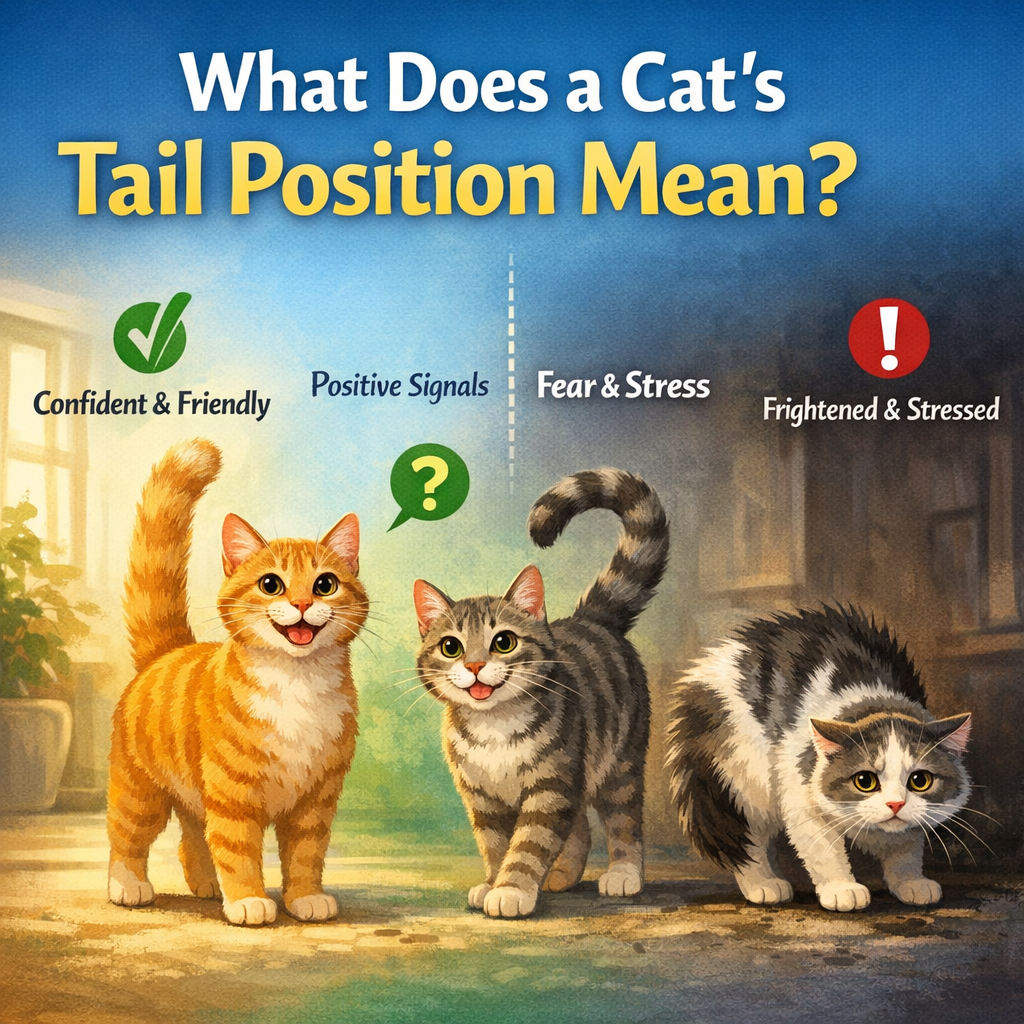
- Positive Signals: An upright tail signals confidence and a friendly greeting, while a “question mark” hook indicates a playful and approachable mood.
- Fear & Stress: A tucked or low-held tail is a major indicator of fear, submission, or physical pain, signaling that the cat needs a safe space.
- Warning Signs: A puffed-up tail (piloerection) or rapid lashing/thumping are clear signals of agitation and defensive aggression; these behaviors mean you should give your cat immediate distance.
- Social Bonding: Tail wrapping around humans or other pets is a high-level sign of affection and trust, used to share scents and reinforce social bonds.
Table of Contents
What Does a Cat’s Tail Position Mean?
Ever feel like your cat is a beautiful, furry mystery? You are not alone. While we humans rely on words, cats use their bodies to do the talking.
Their tails are the most expressive tools in their communication kit. At Bella Gatti US Shop, we love a good graphic tee, but we love understanding our feline muses even more.
Let us dive into the secrets of feline body language. Understanding decoding kittens is like learning a secret code that unlocks your pet’s inner world.
Decoding the Cat Tail Upright and Question Mark Tail
When you see a cat tail upright, you are looking at a classic cat greeting behavior used to show they are approachable.
A hooked cat tail or question mark tail is a major affiliative behavior. It means your cat is feeling playful and wants to interact with you.
Veterinary behaviorists note that this vertical position is a friendly social cue. It is the feline equivalent of a warm, welcoming hello.
Understanding the Significance of Tucked Tail Position
A cat tail tucked between the hindlegs is a clear sign of fear or submission. This position often indicates that a cat is feeling small or threatened.
According to experts at PetMD and the University of Southampton, a tucked tail is a defensive stress indicator. It may also signal that the cat is in pain.
If you notice this low cat tail frequently, it might be time to check for feline stress triggers. Your cat is communicating that they need a safe space.
Aggressive or Defensive Tail Postures and Piloerection
A puffed up tail is a sign of serious agitation or fear. This phenomenon is known as piloerection in cats, where the fur stands on end to make them look larger.
This often accompanies the Halloween cat posture, featuring an arched back and defensive cat posture. It is a distance increasing behavior designed to scare off threats.
When you see an inverted U position or tail thrashing, the cat is ready to defend itself. This threatened cat behavior should always be respected to avoid injury.
Interpretation of Tail Curled Around the Body
A tail wrapped around the body can be tricky to read. In a relaxed setting, it often signifies contentment and peace.
However, if the cat is hunched, it may indicate illness or distress. Context is everything when reading cat behavior and mood shifts.
Clinics like Hillview Veterinary Clinic in Reynoldsburg and Pickerington, Ohio, suggest watching for other signs of feeling unwell. A wrapped tail can be a subtle signal for help.
Tail Movements in Aggression and Warning Signals
Tail lashing or a heavy thumping tail is a clear warning signal. Unlike dogs, a wagging tail in cats usually means they are irritated or frustrated.
Tail quivering is another fascinating movement. While it can occur during urine marking, a tail quivering when they see you often shows pure excitement.
Alison Gerken and other behaviorists emphasize that tail movements during hunting and play are predatory behavior. They help the cat balance before a big pounce.
Tail Posture as Social and Comfort Signals
Feline communication goes beyond just words. A hoisted tail shows happiness and social confidence when a cat greets its favorite humans.
When a cat wraps its tail around your leg, it is a sign of deep affection. They are using their facial glands and tail to share their scent with you.
Building trust starts with understanding these happy cat signs. It makes your bond as strong as the soft cotton in our favorite unisex tees.
Indicators of Stress and Fear in Tail Posture
Lowered or tucked tails are key signs of an anxious cat. These signals alert owners to potential distress or health issues that need attention.
Feline stress triggers can be anything from a new pet to a loud noise. Monitoring tail position meaning helps you intervene before the cat becomes overwhelmed.
By paying attention to these subtle tail movements, you become a better advocate for your cat’s well being. It is all about reading the room and the tail.
The Upright Tail: Confidence and Friendship
When your cat walks toward you with a tail held straight up, take it as a major compliment. This is the ultimate sign of a confident, social cat displaying what experts call affiliative behavior.
In short: they are happy to see you. It is one of the most common happy cat signs you will encounter in a relaxed home.
A 1997 study by the University of Southampton found that cats are much more likely to approach others when the tail is raised. It is the feline equivalent of a warm, friendly hello and a key part of cat greeting behavior.
If that upright tail gives a little quiver, your cat is likely feeling extra excited. While tail quivering is sometimes linked to urine marking in the wild, in the comfort of your living room, it is usually just a sign of pure joy.
Veterinary behaviorists, like those at Hillview Veterinary Clinic or PetMD, suggest that reading cat behavior starts with this high tail position. It shows your cat feels safe in their environment, much like you feel cozy in a soft cotton tee.
The Question Mark Tail: Playful and Approachable
Sometimes a cat tail upright has a little curve at the tip, looking exactly like a question mark tail. This hooked cat tail indicates a friendly mood and a desire to interact or play.
When you see this shape, it is a green light for affection. Unlike distance increasing behavior, this is an invitation to come closer and offer some chin scratches.
Understanding cats means recognizing these subtle social cues. Whether you are in Reynoldsburg, Pickerington, or anywhere else in Ohio, your cat uses these same universal signals to communicate their readiness for fun.
Aggressive or Defensive Tail Postures
Not every tail movement is an invitation for a snuggle. A puffed up tail is a clear warning sign of fear or agitation. This is known as piloerection, where the hair stands on end to make the cat look larger to a threat.
If you notice an arched back cat with a bristled tail, they are likely in a defensive cat posture. This is often called the Halloween cat posture and serves as a signal that the cat feels threatened.
A lashing tail or tail thrashing is another serious warning. This movement indicates high levels of feline stress triggers or readiness for defensive aggression. In these moments, it is best to give your pet space and respect their boundaries.
The Significance of a Tucked Tail Position
When a cat tucks their tail beneath the body or between the hindlegs, they are communicating submission, fear, or even physical pain. A tucked tail is a major indicator of anxious cat behavior.
Dr. Alison Gerken and other experts often point to the low cat tail as a sign that the cat is trying to make itself appear smaller. This is a classic defensive or stress indicator that suggests the cat is not comfortable with the current situation.
If your cat consistently keeps their tail lowered or tucked, it may be time to investigate potential feline stress triggers in your home or consult a professional about their health.
Interpretation of Tail Curled Around the Body
A tail wrapped around the body can have a few different meanings depending on the context. If the cat is resting and purring, it often signifies contentment and relaxation.
However, if the cat is hunched and hiding their paws, it could indicate illness or distress. Reading the accompanying body language signals, such as ear position and facial glands, is essential to tell the difference.
In social settings, wrapping the tail around a person or another pet is a sign of affection. This is a beautiful part of feline communication that helps build trust and strengthen the bond between you and your furry friend.
The Question Mark: Let Us Play
Is the tip of your cat’s tail curved into a little hook? This is the famous question mark tail, and it is a delightful part of cat tail language.
This position signals a playful, curious mood. Your cat is feeling friendly and probably wants to engage with a feather wand or a laser pointer. It is the perfect time to interact and build trust.
Veterinary behaviorists consider this an affiliative behavior. This means your cat is looking to bond and socialize with you rather than seeking distance. It is one of the most reliable happy cat signs in their communication kit.
Decoding the Hooked Cat Tail
A hooked cat tail is a green light for affection. It shows they are comfortable in their environment and ready for some fun or a few head scratches.
While an upright tail shows confidence, the added curve suggests an extra level of engagement. Think of it as your cat saying, I am happy to see you, now what are we playing?
Understanding these cat social cues helps you respond correctly. Instead of a forced cuddle, try tossing a toy to match their high energy and predatory behavior instincts.
Tail Movements During Hunting and Play
When your cat is in the zone, you might notice subtle tail movements. A tail that swishes slowly from side to side during play is different from the aggressive lashing seen in a threatened cat behavior.
During a play session, you may even see a slight tail quivering. This often happens when they are about to pounce on a toy, showing intense concentration and excitement.
This type of feline body language is part of their natural hunting sequence. It is a healthy expression of their predatory instincts within the safety of your living room.
When Play Turns to Overstimulation
It is important for owners at Hillview Veterinary Clinic or any pet home to watch for mood shifts. If that playful hook turns into a heavy thumping or thrashing, your cat might be getting overstimulated.
Reading cat behavior means knowing when to stop. If the tail starts whipping rapidly, it is a distance increasing behavior, signaling that the play session should come to an end.
By paying attention to these feline stress triggers, you can ensure that playtime remains a positive experience. Just like a perfectly fitted Bella Gatti tee, communication should always feel comfortable and easy.
Defensive Postures: The Puffed Up Tail
If your cat looks like they just stuck their paw in an electric socket, take note. A puffed up tail is a sign of serious agitation, fear, or threatened cat behavior.
This phenomenon is known as piloerection. By bristling their fur, the cat is trying to make themselves look larger to ward off a perceived threat in their environment.
In short: back off. According to experts at PetMD and the University of Southampton, this is a clear distance increasing behavior meant to stop a confrontation before it starts.
You might see this paired with an arched back, often called the Halloween cat posture. This defensive cat posture is one of the most recognizable cat stress signals.
Aggressive or Defensive Tail Postures
When a cat feels cornered, they may transition from a simple puff to an inverted U position. This is a high alert warning sign that the cat is ready to defend itself if necessary.
Veterinary behaviorists like Alison Gerken note that these aggressive or defensive tail postures are often accompanied by tail lashing or heavy thrashing. This is not the time for cuddles or picking them up.
If you are visiting a clinic like Hillview Veterinary Clinic in Reynoldsburg or Pickerington, Ohio, you might see this feline body language due to the stress of a clinical setting.
Understanding these cat communication cues helps you respect their boundaries. When the tail is puffed, the best move is to give your feline friend space to calm down and feel safe again.
Significance of Tucked Tail Position
While a puffed tail screams for space, a tucked tail tells a different story of feline distress. Tucking the tail beneath the body or between the hindlegs is a major indicator of fear or submission.
This cat tail position is meant to protect the cats most vulnerable areas. It is a common sight in an anxious cat or one experiencing significant pain.
In the world of cat tail language, a tucked tail is a plea for security. It suggests the cat is trying to make themselves as small and non-threatening as possible to avoid notice.
If your cat frequently displays a tucked tail, it may be a sign of chronic feline stress triggers in the home. Keeping an eye on these scared cat signs is vital for their long term well being.
Indicators of Stress and Fear in Tail Posture
Reading cat behavior requires looking at the height of the tail. A low cat tail that is not quite tucked but hovering near the ground often signals a lack of confidence or uncertainty.
When you see these indicators of stress and fear, look for other clues like dilated pupils or flattened ears. These are the subtle ways cats communicate their internal struggle.
Feline communication is complex, and a lowered tail can also be a precursor to a more aggressive defensive posture if the source of the stress is not removed.
By learning cat tail meaning, you can intervene early. Providing a hiding spot or a quiet room can help lower their stress levels before the tail starts to puff or lash.
Low and Tucked Tails: Indicators of Stress and Fear
A tail held low to the ground or tucked tightly between the hindlegs is a major red flag in cat tail language. This specific cat tail position signals fear, anxiety, or submission.
When you see a tucked tail, your feline friend is feeling very threatened. Common feline stress triggers include loud noises, new guests, or a territorial dispute with another pet in the house.
This is a classic defensive cat posture. By making the tail disappear, the cat is trying to appear smaller and less threatening to avoid conflict, which is a common form of distance increasing behavior in feline communication.
According to experts at Hillview Veterinary Clinic in Reynoldsburg, Ohio, a tucked tail can also indicate physical pain. If your cat is usually confident but suddenly adopts this low posture, it is a smart move to consult a veterinary behaviorist or a local vet in Pickerington.
Understanding cats means reading these subtle cat stress signals early. While our graphic tees are bold and loud, a tucked tail is a quiet plea for space and safety. If this position becomes a habit, it may indicate a chronic health issue rather than a temporary scare.
Experts at PetMD and researchers like Alison Gerken note that a tail wrapped tightly around the body while the cat is hunched can also signal that a cat is feeling unwell. Always look at the bigger picture of cat body language to determine if they are just shy or truly hurting.
The Tail Wrap: Feline Affection and Social Cues
Does your cat wrap their tail around your leg when you walk by? This is the feline version of a hug and a prime example of affiliative behavior.
Wrapping is a sign of deep affection and trust. Cats also do this with other cats they like, which is a beautiful display of social bonding and cat communication.
It is a way of sharing scents through their facial glands and tail. This creates a group scent that makes them feel secure and connected to their family.
When your cat uses their tail to embrace you, they are engaging in a positive cat greeting behavior. It shows they are comfortable and happy in your presence.
Veterinary behaviorists note that this tail position meaning is rooted in building trust. It is the opposite of distance increasing behavior seen in stressed pets.
At Bella Gatti US Shop, we think this moment is just as cozy as our Unisex Soft Cotton Tees. It is a feline high five that says you are part of the pride.
Sometimes, you might even notice a slight tail quivering during these interactions. This subtle movement often signals intense excitement or a particularly warm greeting.
Understanding these cat social cues helps you build a stronger bond. Reading cat behavior becomes second nature when you recognize these gentle touches.
Whether they are wrapping your ankle or another pet, this tail movement is a clear happy cat sign. It is one of the most heartwarming parts of feline body language.
While a wrap is usually loving, always look at the rest of the body. A relaxed posture confirms they are feeling content and safe with you.
Tail Movements: Aggression and Warning Signals
Movement matters just as much as position when reading cat behavior. While a tail wrap is a sign of affiliative behavior, a thrashing or lashing tail is a clear warning sign that your cat is reaching their limit.
If the tail is whipping back and forth rapidly, your cat is irritated. This is a distance increasing behavior, telling you they have had enough petting or that something in the room is a feline stress trigger.
According to experts at the University of Southampton and Hillview Veterinary Clinic, tail lashing is one of the most prominent cat stress signals. It indicates high arousal that could lead to defensive aggression if the cat is not given space.
The Puffed Up Tail and Defensive Postures
Have you ever seen your cat transform into a larger, scarier version of themselves? This is known as piloerection in cats. When a cat is threatened, they puff up their tail and arch their back to look more intimidating.
This Halloween cat posture is a classic example of threatened cat behavior. By using piloerection, the cat hopes to ward off a predator or a perceived rival without having to engage in a physical fight.
Veterinary behaviorists like Alison Gerken note that an arched back combined with a puffed up tail is a defensive cat posture. If you see this in your home in Reynoldsburg, Pickerington, or Ohio, it is best to let your cat retreat to a safe space.
Predatory Behavior and Subtle Twitches
Not all movement signals anger. A slow, gentle swish usually means your cat is focused. You will see this during predatory behavior, such as when they are stalking a toy or a bug on the wall.
Tail quivering is another fascinating movement. When a cat holds their tail straight up and it vibrates rapidly, it is often a sign of extreme excitement or anticipation, like when you are opening a fresh bag of treats.
However, be aware that tail quivering while the tail is held against a vertical surface can be a precursor to urine marking. Understanding these subtle tail movements helps you stay one step ahead of your feline friend’s next move.
At Bella Gatti US Shop, we think these expressive tails are just as iconic as the designs on our Unisex Soft Cotton Tees. Whether they are lashing or quivering, your cat is always telling a story.
Summary of Common Tail Positions
Use this table to quickly identify what your kitty is trying to tell you today. Understanding cat tail language is the first step to becoming a true feline whisperer.
| Tail Position |
Meaning |
Action to Take |
| Straight Up |
Happy, Confident, Greeting |
Offer pets and friendly greetings |
| Question Mark |
Playful, Curious, Hooked Tail |
Grab a toy and play with your cat |
| Puffed Up |
Scared, Agitated, Defensive |
Give them space immediately |
| Tucked Under |
Fearful, Submissive, Anxious |
Remove the feline stress trigger |
| Thumping/Lashing |
Angry, Irritated, Warning |
Stop what you are doing and back off |
Main Tail Positions and Their Meanings
When reading cat behavior, the cat tail upright position is the gold standard for a happy cat. According to insights from PetMD and veterinary behaviorist experts like Alison Gerken, a tail held high indicates high social confidence.
This is a classic affiliative behavior used during a cat greeting behavior. It shows your cat is approachable and ready for interaction, much like the friendly vibe of a favorite Bella Gatti graphic tee.
If the tail has a slight curve at the tip, it is often called a question mark tail or hooked cat tail. This signifies a playful mood, suggesting your cat is ready for some predatory behavior with a feather wand.
Significance of Tucked Tail Position and Low Postures
A low cat tail position often serves as a warning for anxious cat behavior. When the tail is lowered below the level of the back, it indicates a lack of confidence or potential feline stress triggers in the room.
If you see a cat tail tucked between the hindlegs, this is a serious indicator of fear, submission, or even physical pain. This defensive cat posture is a plea for safety and a sign that the cat feels threatened.
In these moments, it is vital to identify and remove the source of distress. Veterinary clinics, such as the Hillview Veterinary Clinic in Reynoldsburg or offices in Pickerington, Ohio, often see these signals during exams.
Aggressive or Defensive Tail Postures and Piloerection
The puffed up tail is perhaps the most famous feline warning. This occurs due to piloerection, where the hair stands on end to make the cat appear larger to a potential predator or rival.
This is often accompanied by an arched back cat stance, frequently called the Halloween cat posture. It is a clear sign of defensive aggression and intense agitation that requires immediate distance.
An inverted U position is another signal of high arousal. Whether the cat is feeling aggressive or just extremely over stimulated during play, this posture tells you to proceed with extreme caution.
Interpretation of Tail Curled Around the Body
A tail wrapped around the body can be a bit more subtle to decode. In a relaxed environment, it can mean contentment and a desire to keep body heat in while resting comfortably.
However, if the cat is hunched and the tail is wrapped tight, it could indicate illness or distress. Context is everything when reading feline body language and facial glands cues.
Research from the University of Southampton suggests that cats use these subtle shifts to communicate comfort or a need for solitude. Always look at the ears and eyes to confirm the mood.
Tail Posture as Social and Comfort Signals
A hoisted tail that quivers when you walk into the room is the ultimate compliment. Tail quivering often occurs when a cat is exceptionally happy to see their favorite human, sometimes even preceding urine marking in intact cats.
Wrapping the tail around your leg is a sign of affection and social bonding. This behavior helps cats share scents through their skin glands, reinforcing the bond between you and your muse.
Understanding these social cues helps you build a relationship based on trust. It makes every moment with your cat as comfortable and soft as a Unisex Soft Cotton Tee from our shop.
Indicators of Stress and Fear in Tail Posture
Distance increasing behavior is any movement meant to tell a human or another animal to stay away. Tail thrashing and rapid lashing are the primary indicators that your cat has reached their limit.
If you ignore these stress signals, you risk a defensive strike. Cats communicate their boundaries clearly through these movements, and respecting them is key to a happy home.
By paying attention to these feline communication shifts, you can prevent stress before it escalates. Keep an eye out for these changes in tail position and mood shifts to ensure your cat feels safe and loved.
Stress and Health Indicators in Cat Tail Language
Sometimes a tail tells a story of physical health rather than just a fleeting mood. While we love seeing that upright tail during a greeting, a tail that suddenly becomes limp or floppy can be a serious red flag. This lack of tone often indicates a nerve injury or physical trauma that requires immediate attention.
Veterinary behaviorists like Alison Gerken note that changes in tail carriage are often the first visible feline stress triggers. If your cat usually struts around with a high flagpole tail but suddenly keeps it low or tucked, they might be feeling unwell or dealing with hidden chronic pain.
A cat’s tail acts as a barometer for their internal emotional state. It provides a real time update on their comfort level and overall health. Monitoring these shifts is just as important as choosing the perfect soft cotton tee for your next outing.
Significance of the Tucked Tail Position
When you see a cat tucking their tail beneath the body or between the hindlegs, they are sending a clear signal of fear or submission. This is a classic example of distance increasing behavior, where the cat is trying to appear as small and non-threatening as possible to avoid conflict.
A tucked tail is a major indicator of anxious cat behavior. Whether it is a loud noise at home or a visit to a clinic in Reynoldsburg or Pickerington, Ohio, this posture shows your cat is in a state of high stress. It is a defensive signal that says they are overwhelmed by their environment.
In some cases, a tucked tail can also point to physical discomfort. If the tail remains clamped tightly against the belly even in a quiet setting, it may be time to consult PetMD or your local vet to rule out illness. Understanding these social cues helps you provide the safety your cat craves.
Indicators of Stress and Fear in Tail Posture
Reading cat behavior requires looking at the tail as a warning system. Lowered, tucked, or tightly wrapped tails are key signs that a cat is feeling vulnerable. Unlike a relaxed wrap, a tense tail pressed against the body often signals that the cat is trying to protect itself from a perceived threat.
Research from institutions like the University of Southampton suggests that feline body language is a complex dialogue. When a cat feels threatened, you might notice tail quivering or a low twitch. These are subtle feline stress triggers that happen before a full blown defensive explosion.
If you notice these signs, give your cat space. Forcing interaction when they show these stress signals can lead to a breakdown in trust. Always look for the combination of a low tail and flattened ears to identify a truly frightened feline.
Aggressive or Defensive Tail Postures
When things get heated, cat communication becomes very loud and very visual. A puffed up tail is one of the most famous signs of a defensive cat posture. This phenomenon, known as piloerection in cats, happens when the hair follicles stand up to make the cat look much larger to a predator.
You may also see the inverted U position or the classic Halloween cat posture. This involves an arched back and a tail that is curved downward but puffed out at the base. This is a clear warning of defensive aggression, telling the world that the cat is ready to defend its territory if pushed any further.
Tail lashing or thrashing is another high priority warning. Unlike the gentle swish of a happy cat, a lashing tail moves with force and speed. This is a distance increasing behavior meant to tell you, or another animal, to back off immediately before things escalate.
Interpretation of the Tail Curled Around the Body
A tail wrapped around the body is a versatile signal in feline communication. When a cat is curled up tightly with their tail tucked in, it often indicates contentment and a desire to conserve body heat. It is the ultimate sign of a cat who is off the clock and relaxing.
However, context is everything in cat tail meaning. If the cat is crouched low with the tail wrapped tightly while their head is tucked, it could signify illness or distress. At Hillview Veterinary Clinic, professionals often look for this hunched posture as a sign that a cat is hiding internal pain.
To tell the difference, look at the rest of the body. A happy cat will have relaxed facial glands and closed or heavy eyes. A stressed cat will have dilated pupils and tense muscles. Learning to spot these differences is the secret to becoming a true feline whisperer.
Tail Movements in Aggression and Warning Signals
Before a cat resorts to using their claws, they usually give plenty of warning through tail movements. Tail quivering can sometimes be a sign of excitement, but when combined with a stiff body, it can indicate intense irritation or readiness to strike.
Piloerection and a puffed up tail are the final visual warnings before a cat engages in predatory behavior or defensive striking. These signals are often accompanied by vocalizations, but the tail usually reacts first. It is the most honest part of the cat’s body.
By respecting these warning signals, you can prevent scratches and keep your cat feeling secure. Whether they are reacting to a new pet or a strange scent, their tail will always give you the heads up you need to manage the situation calmly.
Expert Insight
“It might seem like your cat lashes out without warning, but in reality, signals are being given that you might not be noticing; by paying close attention to cues like tail flicking, ear positioning, or skin twitching, you can interpret the complex roadmap of feline communication before it leads to aggression.” : Pam Johnson-Bennett, Cat Behavior Expert
Frequently Asked Questions About Feline Body Language
Why does my cat’s tail twitch at the end?
A slight twitch at the tip usually signifies intense concentration or mild excitement. You will often see this predatory behavior when your cat is bird watching or spotting a laser pointer.
According to experts at the University of Southampton, this movement indicates the cat is emotionally stimulated but not yet over aroused. It is a common precursor to a pounce during play or hunting.
What does it mean when a cat’s tail is wrapped around its body?
When your cat is tucked in a ball with the tail wrapped tight, they are usually resting and preserving body heat. In a relaxed context, this is a sign of contentment and comfort.
However, if the cat is crouched and tense, a wrapped tail acts as a distance increasing behavior. It can indicate a desire to be left alone, feline stress triggers, or even physical pain as noted by PetMD.
Is a wagging tail the same as a dog’s?
Absolutely not. While a dog wags for joy, a cat’s wag or thumping tail is a clear warning signal of growing frustration or agitation. Do not mix the two up if you want to keep your fingers safe!
Veterinary behaviorists like Alison Gerken explain that tail lashing or thrashing is an aggressive or defensive signal. If you see this during a petting session, it is time to give your feline friend some space.
What is the inverted U position?
The inverted U position is often seen during high energy play or the famous zoomies. It is a sign of intense excitement, though it can sometimes border on defensiveness if the environment is chaotic.
This posture is frequently accompanied by an arched back cat and bristled fur, also known as piloerection. While it looks like a classic Halloween cat posture, in play, it simply means your cat is feeling frisky and ready to romp.
Why does my cat’s tail quiver or vibrate?
Tail quivering is one of the most heartwarming social cues. It usually happens when your cat is upright and sees someone they love, serving as a high intensity greeting behavior.
While an upright tail signals friendliness, a quivering tip shows pure joy. Just be aware that if the tail is vertical against a wall while quivering, it might be a precursor to urine marking rather than a simple hello.
What are the signs of a scared or anxious cat?
Anxious cat behavior is often signaled by a low cat tail or a tail tucked between the hindlegs. This is a defensive cat posture used to make the animal appear smaller and less threatening to others.
If you notice a puffed up tail or piloerection in cats, they are likely feeling threatened. Clinics like Hillview Veterinary Clinic in Reynoldsburg and facilities in Pickerington, Ohio, emphasize that reading these signals early can prevent feline stress from escalating.