


-
-
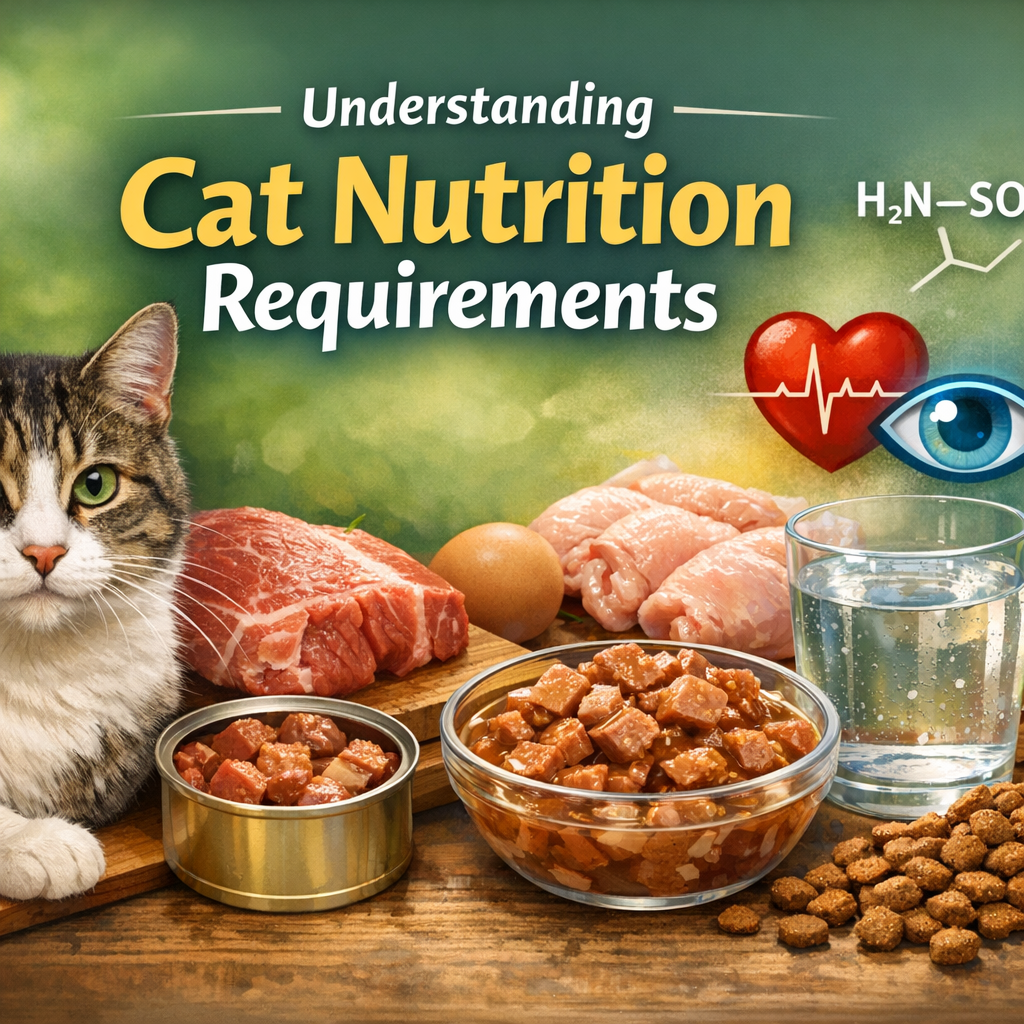
- Cats are obligate carnivores requiring high-quality animal-based protein, ample moisture, and taurine for heart and eye health.
- Hydration and protein quality are prioritized: prefer a mix of wet and dry foods to balance moisture, protein source, and energy needs.
- Manage carbohydrates by keeping them limited and choosing low-glycemic, animal-forward diets; monitor life stage, health, and activity.
-
Table of Contents
-
-
- Understanding Cat Nutrition Requirements
- Introduction
- 1. Water: The Foundation of Hydration
- 2. Protein and Amino Acids: The Core of a Cat’s Diet
- 3. Fats and Essential Fatty Acids: Energy and Skin Health
- 4. Carbohydrates: To Limit or Balance
- 5. Vitamins and Minerals: Micronutrient Essentials
- 6. Taurine: A Non-Negotiable for Cats
- 7. Diet Formats: Wet, Dry, and Mixed Feeds
- FAQ
- Conclusion
-
Understanding Cat Nutrition Requirements
Hydration matters. A water‑rich diet supports kidney and urinary tract health. Canned cat food naturally contains about 78% water, mirroring what prey provides. Dry kibble has roughly 5-10% water. If dry food is your main staple, your cat may drink more water elsewhere, but total intake can still be lower, increasing dehydration risk over time.
Introduction
Overview of cat nutrition
Cats thrive on animal-based nutrients because they are obligate carnivores. Each feeding decision should consider protein quality, moisture content, and micronutrient completeness. A well balanced diet supports energy, growth, and daily maintenance without unnecessary fillers.
Key ideas to remember include hydration, the importance of animal protein, and a complete set of essential nutrients. Your cat’s meals should reflect their biology rather than simply delivering calories.
Why feline-specific needs matter
Cats have requirements that differ from other pets. Taurine and certain amino acids must come from animal sources, and water content influences urinary health. Overlooking these needs can lead to health issues over time.
At Bella Gatti US Shop, we focus on practical basics: choosing high quality options, understanding how water content affects hydration, and recognizing how life stage, health, and activity guide feeding choices.
-
-
- Hydration matters: canned foods add moisture, supporting kidney and urinary tract health.
- Protein quality counts: animal-based protein provides essential amino acids in usable forms.
- Balance matters: carbohydrates should be limited to support energy and metabolic stability.
-
Practical steps for smarter feeding
Start by aligning portion sizes with your cat’s weight and activity. Use a measured feeding schedule rather than free feeding to control energy intake.
Choose a texture and moisture level your cat prefers, then rotate among high quality brands that list a real animal protein first. Look for labeled sources of taurine and prebiotic fiber to support gut health.
Monitor hydration at home: ensure constant access to fresh water and consider adding a small amount of wet food to daily meals if your cat drinks little water.
1. Water: The Foundation of Hydration
Role of water in feline health
Water supports digestion, kidney function, and temperature regulation. Adequate hydration helps maintain urinary tract health and metabolic balance. Dehydration can creep in, especially when a cat relies heavily on dry kibble. Look for signs like dark urine or reduced output, and lethargy after heat or illness. Tracking intake helps you catch subtle deficits before they affect health.
Best practices for ensuring hydration
-
-
- Offer fresh water at multiple accessible spots and refresh bowls regularly, especially in hot weather.
- Incorporate water-rich foods when appropriate, such as wet canned options, to boost intake without overfeeding.
- Consider a pet water fountain to encourage steady drinking and fluid movement, and choose models with replaceable filters and easy cleaning.
- Observe your cat’s drinking pattern; two to four small drinks per day is common, but adjust if you notice a change.
- For cats with kidney concerns or special needs, consult the importance of feline diet safety and a balanced cat food approach for vet-approved hydration aids and guidance.
-
2. Protein and Amino Acids: The Core of a Cat’s Diet
Why cats need high-quality animal protein
You want protein your cat can actually use. Animal-based protein provides essential amino acids in forms cats digest easily. This supports tissue repair, immune function, and steady metabolism. Realistic meals featuring chicken or fish often translate to better energy and coat quality than plant-heavy options.
-
-
- Animal-based proteins deliver complete amino acid profiles essential for growth and maintenance.
- Biological value matters: higher value means more usable protein for muscles and organs.
- Adequate protein helps preserve muscle mass during aging or illness, supporting recovery.
-
Critical amino acids (taurine, methionine, arginine)
Certain amino acids cannot be skipped in a cat’s diet. Taurine for heart health and a high-protein diet is essential for heart and retinal health. Methionine supports growth and protein synthesis, influencing coat condition. Arginine is vital for the urea cycle, preventing ammonia buildup.
-
-
- Taurine must come from diet; deficiency links to heart disease and eye issues.
- Methionine supports tissue integrity and acts as a building block for other compounds.
- Arginine prevents metabolic stress by aiding ammonia detoxification, especially in cats with high protein needs.
-
Expert Insight
“Taurine is an essential amino acid for cats, not produced sufficiently by metabolism, and must be supplied in the diet to support heart and retinal health, with high-quality animal proteins delivering the complete amino acid profile needed for growth, maintenance, and aging.” , Industry Expert
3. Fats and Essential Fatty Acids: Energy and Skin Health
Importance of fats in the feline diet
Fats deliver a concentrated energy source that supports daily activity and metabolic needs. Animal-based fats supply fatty acids in forms cats can absorb efficiently. When balanced with protein and moisture, fats help maintain a healthy coat and skin while supporting immune function.
Key fatty acids for cats
-
-
- Linoleic acid and arachidonic acid are essential for skin health and inflammatory balance.
- Omega-3 fatty acids, including EPA and DHA, support anti-inflammatory responses and organ function.
- Medium-chain and certain saturated fats provide readily available energy, particularly when moisture content varies.
-
| Fat type | Role | Source examples |
|---|---|---|
| Animal-based fats | Primary energy, palatability, nutrient density | Chicken fat, fish oil, liver fats |
| Essential fatty acids | Skin health, coat shine, inflammation control | Linoleic acid, arachidonic acid |
| Omega-3s | Anti-inflammatory support, organ function | EPA, DHA from fish oil |
4. Carbohydrates: To Limit or Balance
Carbohydrate considerations for cats
Cats are obligate carnivores, so their bodies are optimized for protein and fat rather than carbohydrates. While small amounts of carbohydrates can fit into a balanced diet, consistently high carbohydrate intake may influence energy balance and weight management. Focus on the overall nutrient profile rather than carb count alone.
-
-
- Aim for diets where protein and fat are the primary energy sources.
- Choose carbohydrate sources with low glycemic impact when present in the formulation.
- Assess how moisture content interacts with digestion and hydration alongside carbs.
-
Impact of high-carbohydrate diets
Excess carbohydrates can lead to fluctuations in energy and may contribute to weight gain in some cats. High-carb diets often rely on plant-based ingredients, which provide different amino acid profiles than animal proteins. In some cases, this can affect postprandial glycemia and metabolic stability.
-
-
- Monitor how meals affect blood sugar related responses after eating, using observations like energy levels and activity after meals.
- Balance carb sources with high-quality protein to support satiety and muscle maintenance.
- Consider life stage and health status when evaluating carb allowances, especially for kittens, seniors, or diabetics.
-
| Carbohydrate role | Potential effects | Dietary considerations |
|---|---|---|
| Energy source | Supports activity when paired with protein and fat | Prefer limited, steady sources |
| Fiber content | Aids digestion in moderation | Include soluble fibers as appropriate |
| Glycemic impact | Influences post-meal glucose balance | Choose ingredients with lower glycemic potential |
Expert Insight
“Cats evolved as hunters that consume prey with high protein, moderate fat, and minimal carbohydrates; therefore, a low-carbohydrate diet that prioritizes animal-derived nutrients supports their metabolic needs and overall health.” , Industry Expert
5. Vitamins and Minerals: Micronutrient Essentials
Vital micronutrients for cats
Cats require a precise mix of vitamins and minerals to support metabolism, immune function, and organ health. A complete diet delivers these essentials in the right balance, reducing the need for afterthought supplements. For example, a commercial diet formulated for cats typically accounts for these needs so you won’t guess at ratios.
-
-
- Vitamin A: Preformed vitamin A supports vision and epithelial health. In practice, choose diets with defined retinol activity rather than relying on beta carotene alone for longevity.
- Vitamin E: Helps protect cells and supports antioxidant status. Look for a product with natural forms of tocopherols and a listed vitamin E activity.
- Calcium and phosphorus: Critical for bones, teeth, and muscle function when balanced. Aim for a balanced ratio around 1.0-1.4 calcium to phosphorus depending on life stage.
- Magnesium: Involved in energy production and various metabolic processes. Ensure amounts align with your cat’s age and health status to avoid urinary issues.
- Iron, zinc, and iodine: Important for blood health, immune support, and thyroid function. Verify these minerals come from bioavailable sources in the diet.
-
Common deficiencies and signs
Deficiencies often stem from imbalanced diets or home prepared regimens. Early signs include subtle changes you can monitor at home and confirm with your vet.
-
-
- Vitamin A deficiency: Poor coat quality, vision changes, or skin issues. If you notice dull fur or nocturnal glare, reassess the diet composition.
- Taurine presence: Taurine is not a separate vitamin but a critical amino acid for heart and eye health. Monitor diets low in animal protein, especially if using homemade or grain-free recipes.
- Calcium/phosphorus imbalance: Skeletal concerns or dental issues. Elevated phosphorus can accompany kidney strains in older cats.
- Iron deficiency: Pale mucous membranes or lethargy. Seek veterinary testing if you observe persistent fatigue or pale gums.
- Zinc or iodine gaps: Coat and skin problems or metabolic disturbances. Zinc deficits can cause crusting or dermatitis around the paws and face.
-
| Micronutrient | Role | Dietary consideration |
|---|---|---|
| Vitamin A | Vision and epithelial health | Ensure adequate preformed vitamin A in the diet |
| Calcium + Phosphorus | Bone and teeth integrity | Maintain a balanced calcium to phosphorus ratio |
| Magnesium | Metabolic function | Include at species-appropriate levels |
6. Taurine: A Non-Negotiable for Cats
Why taurine is essential
Taurine is an essential amino acid for cats. Because cats cannot synthesize enough on their own, it must come from the diet. It supports heart function, eye health, and overall cellular activity. A balanced diet with adequate taurine helps protect against serious health problems over time.
-
-
- Prevents taurine deficiency related heart disease
- Supports retina integrity and visual function
- Assists in bile acid conjugation and fat digestion
-
Consequences of taurine deficiency
Insufficient taurine can lead to serious health problems that progress gradually. Regular diet checks catch subtle signs early.
-
-
- Increased risk of dilated cardiomyopathy in some cats
- Potential progressive vision impairment or blindness
- Possible changes in immune and reproductive function
-
| Aspect | Impact of deficiency | Dietary approach |
|---|---|---|
| Heart health | Higher risk of heart disease in some cats | Provide a species-appropriate taurine level via high‑quality animal protein or a veterinary‑formulated supplement |
| Eye health | Possible retinal changes or vision issues | Include taurine through animal-based protein sources and periodic eye checks by a vet |
| Reproduction | Potential reproductive health effects | Use a complete diet with mandated taurine content for growth and breeding cats |
7. Diet Formats: Wet, Dry, and Mixed Feeds
Pros and cons of canned vs dry food
Wet food adds moisture to the diet, supporting hydration and reflecting the water content of natural prey. It can be appealing to picky eaters and helps increase daily fluid intake.
Dry kibble offers convenience and longer shelf life. It is typically more economical and can simplify portion control in some feeding routines.
-
-
- Hydration: Canned foods contribute moisture; dry foods require consistent access to fresh water.
- Palatability: Many cats prefer wet textures, while others adapt to dry with gradual introduction.
- Digestive considerations: No single format guarantees ideal digestion; a mixed approach can help address multiple needs.
- Storage and practicality: Dry foods store easily; canned foods need refrigeration after opening.
-
Guidelines for meal planning
Plan meals to balance moisture, protein quality, and energy needs. A mixed approach can combine benefits of both formats while supporting hydration goals.
-
-
- Protein sourcing: Prioritize animal-based proteins with clearly named ingredients and limited fillers.
- Carbohydrate and energy: Consider how carbs fit into the overall energy plan and monitor post‑meal responses.
- Meal timing and portions: Maintain consistent feeding times and measure portions to avoid over or under feeding.
- Hydration strategy: Ensure constant access to fresh water and use moisture-rich toppers when relying mainly on dry food.
-
FAQ
Here are concise answers to common questions about cat nutrition. The goal is to clarify basics and help you make informed choices for your cat.
-
-
- What is the role of water in a cat’s diet? Water supports kidney function, digestion, and overall metabolism. Mix wet and dry meals to increase intake, and provide multiple fresh-water sources around the home to encourage regular sipping.
- Should I feed canned food or dry kibble? A blended approach often works best. Use canned for hydration and palatability, and dry for convenience and teeth maintenance. For Bella Gatti US Shop customers, consider rotating 2-3 canned varieties with a consistent dry option to balance moisture and practicality.
- Is protein quality more important than quantity? Yes. Look for foods where a clearly named animal protein is the main ingredient and sourcing is reputable. Prefer whole chicken or fish as the primary protein and vary proteins to reduce monotony.
- What about taurine and other nutrients? Taurine supports heart and eye health and must come from the diet. Choose diets with guaranteed taurine levels and adequate omega-3s from fish. A veterinarian may suggest supplements if your cat has specific needs.
- How many carbohydrates does a cat need? Cats do best on a diet lower in carbohydrates. Prioritize protein and fat as the main energy sources and limit starches. If your cat refuses high-protein options, introduce small gradual changes to minimize digestive upset.
-
| Question | Key point | Practical tip |
|---|---|---|
| Water in diet | Hydration supports kidneys and metabolism | Offer moisture-rich meals and multiple fresh water sources daily |
| Protein source | Animal-based proteins are preferred | Choose products with a clearly named animal protein as the main ingredient |
| Vitamins and minerals | Micronutrients support overall health | Ensure the diet is complete and balanced for cats, with taurine and omega-3s |
Expert Insight
“Cats are obligate carnivores that require high-quality, animal-sourced protein and essential amino acids like taurine and arginine in every meal; animal proteins are typically more digestible and better satisfy their unique metabolic needs than plant-based sources.” , Industry Analyst
Conclusion
Feline nutrition starts with recognizing cats as obligate carnivores. Your cat needs high quality animal protein, ample hydration, and essential micronutrients that support heart and eye health, along with overall vitality.
Choosing the right format matters. Wet cat food boosts water intake naturally, aiding hydration, while dry kibble offers convenience. A practical plan blends both to meet energy needs and hydration without overloading carbohydrates.
-
-
- Prioritize animal based protein as the primary energy source
- Ensure taurine and essential micronutrients are present in sufficient amounts
- Maintain consistent feeding patterns and provide fresh water at all times
-
Real world tweaks
For active adult cats, aim for a 70/30 mix of wet to dry foods and monitor weight monthly. Senior or less active cats may shift toward more wet food to boost hydration. If your cat won’t drink water, try adding a water fountain or mixing a small amount of broth-free gravy into meals. For Bella Gatti US Shop customers, check label claims for animal first ingredients and avoid brands that rely on fillers.
| Focus | Why it matters | Practical tip |
|---|---|---|
| Hydration | Supports kidney function and urine health | Offer moisture rich foods with constant water access |
| Protein quality | Drives muscle maintenance and metabolism | Choose foods with clear animal protein first ingredients |
| Micronutrients | Protects heart, eyes, and overall function | Verify diet is complete and balanced for cats |