



The Meow Manifesto: A Case Study in Feline Control
- Cats use distinct meow types (e.g., “Urgent Starvation Cry,” “Door-Opening Demand,” “3 AM Existential Yowl”) as sophisticated commands to manipulate humans, with a high success rate in getting their demands met.
- Beyond vocalizations, cats exhibit specific behavioral changes (e.g., uncharacteristic meowing, head nudging, hiding) and utilize their superior olfactory ability to detect subtle chemical changes, often acting as early warning signs for human seizures.
- Stressors and changes in environment significantly impact feline behavioral health, influencing their communication and warning behaviors, which are crucial for assessing both their well-being and potential roles as “seizure warning animals.”
- Understanding a cat’s detailed behavioral history, including reactions to environmental factors and social dynamics, is paramount for accurate clinical diagnosis, seizure prediction, and ensuring optimal patient welfare for both felines and their human “staff.”
Table of Contents
- The Meow Manifesto: Feline Control
- The Hypothesis: Our Feline Overlords and Their Vocal Demands
- Methodology: Decoding the Meow Types
- Results: Analyzing the Success Rate of Feline Vocalizations
- The Olfactory Oracle: Feline Seizure Prediction
- Behavioral Changes Associated with Medical and Emotional Health
- The Meow Manifesto: Feline Control
- Methodology: Decoding the Meow Types
- Conclusion: The Ultimate Tool of Feline Governance
- Feline Behavioral Insights: A Deeper Dive into the Meow Manifesto
The Meow Manifesto: Feline Control
Stress and distress in feline seizure contexts are well-documented. Environmental stressors, such as changes in routine or social conflicts, can significantly impact seizure activity. The presence of a highly sensitive or stressed cat can either precipitate or warn of seizures, with evidence indicating that distress may induce or hide seizure events depending on the situation. This complex interplay underscores the importance of a stable environment for feline behavioral health and patient welfare, often necessitating observing subtle behavioral changes to address anxiety-inducing agents in their surroundings.
The Hypothesis: Our Feline Overlords and Their Vocal Demands
Let’s be honest, you’re not a cat owner, you’re cat staff. It’s a universal truth, isn’t it? We, the humble human companions, often find ourselves at the beck and call of our Domestic Cats, responding to every twitch of an ear, every swish of a tail, and especially, every single meow. This isn’t just a playful notion; it’s a mock academic investigation into the sophisticated psychological warfare waged by our furry overlords.
But what if these vocalizations aren’t just simple requests? What if they are, in fact, highly refined commands, a masterclass in feline vocal manipulation designed to bend us to their will? Our research subjects, our very own Feline companions, are not merely adorable pets. They are cunning strategists, employing their vocal prowess to achieve optimal patient welfare, demanding everything from immediate sustenance to prime lap real estate. It’s time we acknowledged their genius.
This deep dive into feline communication also intersects with critical aspects of cat behavior health. Understanding their vocal demands can sometimes be a subtle indicator of their overall well-being, including potential stress-associated diseases or even an impending seizure. While our focus here is on their commanding nature, the nuances of their vocalizations are undeniably linked to their physiological balance and general patient welfare.
Consider the subtle shifts in their meows. Are they merely asking for food, or are they subtly influencing your actions, much like an anxiety-inducing agent might subtly alter a subject’s behavior? This behavioral health perspective, often overlooked, is crucial for a comprehensive understanding of our Feline companions. After all, a healthy overlord is a happy overlord, and happy overlords tend to issue clearer commands.
Expert Insight
“Cats communicate with their humans in the way that is most likely to get them what they want: by meowing. They’re manipulative.” , Wright, as quoted in the source snippet
Methodology: Decoding the Meow Types
To truly understand this intricate system of feline governance, we must first categorize the various meows. Each carries a specific intent, a clear command that, once learned, becomes impossible to ignore. Our Domestic Cat subjects exhibit a remarkable range of vocalizations, each serving a distinct purpose in maintaining their patient welfare and ensuring their every whim is met. This comprehensive look into their behavioral health is akin to a detailed neuropsychiatric testing session, revealing the complex layers of feline communication.
The Urgent Starvation Cry
This meow is often a high-pitched, sustained wail, delivered with an air of profound suffering, even if the food bowl was filled five minutes ago. It’s a clear signal of imminent starvation, a dramatic performance designed to trigger immediate human intervention. The goal is simple: more food, now. This dramatic display highlights the cat’s innate ability to manipulate, almost as if they possess an anxiety-inducing agent in their vocal cords, disrupting our physiological balance until their demands are met. You know this cry well, don’t you?
The Door-Opening Demand
A sharp, insistent “Mrow!” delivered directly at a closed door, often accompanied by a pointed stare. This meow is a direct command for access, whether to another room, the great outdoors, or simply to observe you from a different vantage point. Resistance is futile. This isn’t just a request; it’s a declaration of their sovereign right to roam, a clear example of their sophisticated behavioral health strategies for environmental control. Consider it a direct order from your feline consultation.
The 3 AM Existential Yowl
This particular vocalization is a drawn-out, mournful sound, usually echoing through the quiet hours of the night. It seems to have no specific target, but its effect is undeniable: it pulls you from your sleep, forcing you to acknowledge the cat’s presence and, perhaps, ponder the meaning of existence alongside them. It is a true anxiety-inducing agent, disrupting physiological balance and reminding you who truly runs the household. This deep, resonant sound can feel like a panic attack for your sleep schedule, a clear sign of the cat’s powerful influence.
The “Pet Me Now, Human” Chirp
A softer, more inviting sound, often accompanied by head nudges and weaving through your legs. This meow is a subtle, yet firm, command for affection. It’s a reminder of your primary duty: to provide endless petting and adoration. This behavioral health strategy ensures constant patient welfare, cementing your role as their dedicated servant. It’s a sweet, yet undeniable, form of control.
The “I’m About to Vomit, Just Letting You Know” Gag-Meow
This is a distinct, guttural sound, often followed by frantic pacing. While not a command in the traditional sense, it’s a crucial warning, a pre-emptive strike to get you to lay down towels or brace for impact. It’s a testament to their complex communication, a form of animal warning behavior. This specific vocalization, though unpleasant, showcases a sophisticated level of feline behavioral health and communication, often indicating an impending medical event. It’s a classic example of their cat behavior health in action, giving you a pseudo-seizure warning, without the actual neurological examination.
Understanding Cat’s Warning Behaviors Prior to Seizures
Beyond the everyday demands, some feline vocalizations and behaviors can precede more serious events, acting as seizure warning cats. For instance, a cat’s uncharacteristic meowing, head nudging, scratching, or simply laying beside their owner can precede seizures by less than a minute. This nuanced animal warning behavior highlights the profound connection between Felines and their human companions. In one documented case, a cat’s specific set of behaviors was observed exclusively before a seizure, making it a reliable seizure predictor. This isn’t just anecdotal; it speaks to the depth of understanding that can develop between a Domestic Cat and its ‘staff,’ a bond that allows for early detection and improved patient welfare. This insight is crucial for owners, turning them into active participants in their cat’s behavioral health management, as noted by researchers like Strong (1999) and Brown (2011).
Feline Olfactory Sensitivity and Seizure Prediction
The remarkable olfactory ability of the Domestic Cat plays a significant role in their capacity as seizure warning animals. Studies, including those cited by Litt (2009) and Rajna (1997), suggest that olfactory emanations, subtle scent changes, can occur hours before a seizure event. Cats, with their superior sense of smell, are uniquely positioned to detect these changes. This feline olfactory ability allows them to act as sensitive indicators, potentially even epilepsy-prone animals in some contexts, by reacting to these unseen signals. This detection of a seizure aura, through olfactory emanation, is a fascinating area of feline behavioral health, underscoring the cat’s complex sensory world and its implications for seizure prediction. It’s a testament to their refined senses, allowing them to perceive shifts in their environment invisible to us.
Behavioral Changes Associated with Medical and Emotional Health
Changes in a Feline’s activity, grooming habits, vocalization patterns, elimination behaviors, and social interactions are often critical clinical signs of distress, signaling underlying medical or behavioral issues. Owners frequently observe subtle shifts, such as increased hiding, decreased activity, or an escalation in specific meow types, which can indicate an impending seizure or other health concerns. This comprehensive behavioral health assessment is vital for understanding a cat’s overall well-being. These changes, often categorized as displacement behavior, provide crucial insights into their emotional and physical state, emphasizing the importance of a detailed medical history taking during any feline consultation. It’s a key aspect of ensuring their long-term patient welfare and preventing stress-associated diseases.
Stress and Distress in Feline Seizure Contexts
Environmental stressors, such as changes in routine, new household members, or social conflicts, can significantly impact seizure activity in cats. A highly sensitive or stressed Feline can either precipitate or warn of seizures, with evidence suggesting that distress may induce or even mask seizure events depending on the specific circumstances. This interplay between environmental factors and feline behavioral health highlights the importance of maintaining a stable and predictable environment for your Domestic Cat. Understanding these triggers is paramount for effective seizure prediction and management, preventing unnecessary panic attacks in both cat and owner. The role of Environmental Stressors cannot be overstated in a cat’s overall well-being and neurological examination.
Utilization of Behavioral History in Seizure Risk Assessment
For accurate seizure prediction and effective management, a detailed medical history taking from owners is indispensable. This includes comprehensive questionnaires about the cat’s behavior and environmental factors, crucial for differentiating between medical and behavioral causes of observed signs. Historical data on reactions to veterinary visits, household changes, and social dynamics are critical for establishing a clinical diagnosis and formulating a robust treatment plan. This thorough approach, often involving neuropsychiatric testing, helps veterinarians understand the full scope of a cat’s behavioral health and avoid misinterpreting pseudo-seizures as genuine epileptic seizure alerts.
Expert Insight
“While less common than in dogs, seizures are a significant neurological concern in cats, and a comprehensive understanding of a cat’s behavioral history, including reactions to environmental changes and social dynamics, is indispensable for accurate diagnosis and effective management, moving beyond immediate observations to ensure optimal patient welfare.” , Veterinary Neurologist
Results: Analyzing the Success Rate of Feline Vocalizations
Our extensive, albeit anecdotal, data reveals the astonishing effectiveness of feline vocalizations. These aren’t just cute noises; they’re precise commands. The success rate is remarkably high, proving the Domestic Cat’s mastery of behavioral health and human manipulation. You might even say they exhibit a form of seizure prediction in their ability to trigger immediate human responses, a testament to their inherent nature as an epilepsy-prone animal.
The Uncanny Success of the Meow
Through years of dedicated service as ‘cat staff,’ we’ve meticulously documented the impact of various meow types. The results, as you’ll see, are compelling, often inducing what feels like post-seizure amnesia in humans after their demands are met. This isn’t just about patient welfare; it’s about sheer survival for us, the obedient.
| Meow Type | Human Response Time | Success Rate (Desired Outcome) | Observed Human Stress Level |
|---|---|---|---|
| The Urgent Starvation Cry | Under 10 seconds | 98% (Procuring tuna or fresh kibble) | High, bordering on panic attacks |
| The Door-Opening Demand | Under 30 seconds | 95% (Door opened, regardless of reason) | Medium, slight irritation, then compliance |
| The 3 AM Existential Yowl | Under 5 minutes | 85% (Human awake, disoriented, seeking cat) | Very High, post-seizure amnesia-like state |
| The “Pet Me Now, Human” Chirp | Instantaneous | 100% (Immediate petting) | Low, blissful compliance |
| The “I’m About to Vomit” Gag-Meow | Under 1 minute | 90% (Human scrambling for clean-up supplies) | High, impending doom |
Decoding Cat Warning Behaviors: More Than Just Meows
Beyond the direct commands, a cat’s uncharacteristic meowing, head nudging, scratching, or even just laying beside their owner can precede significant events, often acting as a seizure warning. Reports from Strong (1999) and Brown (2011) have noted that these behaviors can occur less than a minute before a seizure, serving as a crucial seizure predictor. In some cases, the cat’s behavior was observed exclusively before such an event, highlighting its potential as a unique form of animal warning behavior for human neurological examination.
Feline Olfactory Sensitivity and Seizure Prediction
The Feline’s superior olfactory ability plays a fascinating role in their overall behavioral health and potential for seizure prediction. Studies referenced by Litt (2009) and Rajna (1997) suggest that olfactory emanations occur hours before seizures. Cats, with their keen sense of smell, may detect these subtle chemical changes, acting as natural seizure warning animals. This sensitivity suggests some cats might even be considered an epilepsy-prone animal or an anxiety-inducing agent due to their heightened awareness of environmental stressors and physiological balance. The concept of an olfactory emanation hours prior to an event is a fascinating area for feline consultation.
Behavioral Changes: A Window into Feline Health
Changes in a cat’s activity, grooming habits, vocalization patterns, elimination, and social interactions are often critical clinical signs of distress or underlying medical issues. Owners frequently notice subtle shifts, such as hiding, decreased activity, or an increase in specific meow types, which can indicate an impending seizure or other health concerns. This is crucial for maintaining patient welfare. Understanding these pseudo-seizures and true epileptic seizure alerts requires careful observation and a detailed medical history taking, as highlighted by Cambridge University Press and CNS Spectrums research on cat behavior health.
Stress and Distress in Feline Seizure Contexts
Environmental stressors, such as changes in routine or social conflicts, can significantly impact seizure activity in both humans and, by extension, their sensitive Feline companions. The presence of a highly sensitive or stressed cat can either precipitate or warn of seizures. Evidence indicates that distress may induce or even mask seizure events, depending on the situation. This interplay between stress, feline behavioral health, and potential seizure triggers underscores the complexity of their role. A comprehensive neurological examination often includes assessing these environmental factors.
Utilizing Behavioral History for Seizure Risk Assessment
A detailed medical history taking, often through owner questionnaires, is paramount for differentiating between medical and purely behavioral causes of distress or unusual activity. Information on a cat’s reactions to veterinary visits, household changes, and social dynamics provides critical data for seizure prediction and management. This historical data, combined with observation of displacement behavior during a sensitive period of development, allows for a more accurate clinical diagnosis and helps identify potential seizure triggers, ensuring optimal patient welfare and reducing stress-associated diseases.
The Olfactory Oracle: Feline Seizure Prediction
While our previous research focused on the auditory mastery of the Domestic Cat, we now delve into their secret weapon: their highly refined olfactory ability. Forget subtle hints; these are highly sensitive detectors.
Studies, including those by Brown (2011) and Litt (2009) (and even Strong, 1999, and Rajna, 1997, touch upon similar topics), suggest that Feline olfactory ability is superior. They can detect subtle olfactory emanations that precede significant neurological events, such as human seizures.
This incredible cat scent detection capability highlights their profound role as potential seizure warning animals. These olfactory signs can appear hours before an imminent seizure, demonstrating a deep connection between feline olfactory ability and neurological examination.
Cat’s Warning Behaviors Prior to Seizures
Beyond the subtle scents, the behavioral health of our Feline overlords also offers critical clues. A cat’s uncharacteristic meowing, insistent head nudging, or even simply laying beside their human staff can precede seizures by less than a minute. This serves as a critical warning sign.
This unique animal warning behavior, often observed exclusively before a seizure, underscores the cat’s potential as a seizure predictor. Detailed medical history taking from owners is crucial in identifying these specific behavioral shifts and understanding the full picture of patient welfare.
Behavioral Changes: More Than Just a Mood Swing
It’s not just about seizure prediction; changes in a cat’s activity, grooming habits, vocalization, elimination patterns, and social interactions often signal underlying medical or behavioral distress. Owners frequently notice subtle signs like hiding, decreased activity, or increased vocalization, which may indicate an impending seizure or other health issues, demanding a thorough feline consultation.
These subtle shifts are critical for understanding feline behavioral health and maintaining physiological balance. Even seemingly minor displacement behavior could be a clinical sign of distress.
Stress and Distress in Feline Seizure Contexts
Environmental stressors, such as changes in routine or social conflicts, can significantly impact seizure activity. The presence of a highly sensitive or stressed cat can either precipitate or warn of seizures, acting as a natural anxiety-inducing agent or epilepsy-prone animal, depending on the context.
Evidence indicates that distress may induce or even mask seizure events, highlighting the complex interplay between environmental factors and neurological function. This is why managing environmental stressors is key to patient welfare.
Utilizing Behavioral History in Seizure Risk Assessment
To truly understand our Feline companions, a comprehensive approach is needed. Reports highlight the importance of detailed owner questionnaires on behavior and environmental factors to differentiate between medical and behavioral causes of signs like pseudo-seizures or panic attacks.
Historical data on reactions to veterinary visits, household changes, and social dynamics are critical for accurate seizure prediction and management. This detailed history-taking, combined with potential electroencephalogram results, helps in forming a precise clinical diagnosis and understanding any post-seizure amnesia.
Behavioral Changes Associated with Medical and Emotional Health
While we humans often stumble through life oblivious, our feline overlords are keen observers. They’re constantly assessing their surroundings and, more importantly, their human staff. When something is amiss, their sophisticated communication system kicks into high gear, often through subtle behavioral shifts.
Uncharacteristic Meowing: A Feline Warning System
Research, including insights from Cambridge University Press, consistently highlights that changes in a Domestic Cat’s normal behavior often signal underlying medical or behavioral distress. You might notice subtle shifts in activity, grooming habits, vocalization, elimination patterns, and social interactions. These are key clinical signs of distress, and as any devoted cat staff will tell you, they demand immediate attention.
Owners frequently report noticing increased vocalization, hiding, or decreased activity as indicators of an impending seizure or other health issues. In fact, one of the most critical seizure warning cats behaviors observed is uncharacteristic meowing. This isn’t your usual “feed me” meow; it’s a distinct sound that can precede seizures by less than a minute, acting as a crucial seizure predictor. In one notable case, a cat’s specific animal warning behavior was exclusively observed before a seizure, highlighting its potential role in feline seizure detection.
Olfactory Abilities and Imminent Seizure Signs
Our previous discussion touched upon the Feline’s incredible olfactory ability. This isn’t just for sniffing out treats; it’s a sophisticated detection system. Studies, echoed in research by Brown (2011) and Litt (2009) (and even Strong, 1999, and Rajna, 1997), suggest that Feline olfactory ability is superior. They can detect subtle olfactory emanations that we humans completely miss.
These olfactory emanations are critical for seizure prediction. Reports indicate that these subtle olfactory signs can occur hours before a seizure. Some cats, with their superior olfactory ability, may even act as an epilepsy-prone animal or warning animal based on their sensitivity to these pre-seizure chemical changes. This makes understanding imminent seizure signs through scent detection a vital part of patient welfare.
Stress and Distress: Unpacking Feline Behavioral Health
Stress isn’t just a human problem; it significantly impacts our Feline companions. Environmental Stressors, such as household changes or social conflicts, can profoundly affect seizure activity. The presence of a highly sensitive or stressed cat can either precipitate or warn of seizures. Evidence indicates that distress may induce or hide seizure events depending on the situation, making feline behavioral health a complex but crucial area of study.
Beyond seizures, stress is a major contributor to stress-associated diseases. This detailed observation of feline behavioral health is essential for early detection and intervention, contributing significantly to patient welfare. Recognizing behavioral signs indicating distress or medical illness is paramount for any cat owner. This includes looking out for signs of panic attacks or subtle changes that might indicate an underlying issue.
The Importance of Behavioral History in Seizure Risk Assessment
When your cat exhibits unusual behavior, a thorough medical history taking is your first line of defense. Reports highlight the importance of detailed owner questionnaires on behavior and environmental factors to differentiate between medical and behavioral causes of signs. Historical data on reactions to veterinary visits, household changes, and social dynamics are critical for seizure prediction and management.
This comprehensive approach helps in achieving a precise clinical diagnosis, distinguishing between conditions like epileptic seizure alerts and pseudo-seizures. Understanding your cat’s seizure triggers and their unique seizure aura is vital. This holistic view, often involving a feline consultation and potentially a neurological examination, ensures the best possible outcome for your precious Domestic Cat, even if it means deciphering cryptic meows and subtle changes in their demanding routine.
The Meow Manifesto: Feline Control
The Hypothesis: Your Cat’s Not Asking, They’re Commanding
Let’s be honest, you’re not just a pet owner; you’re dedicated staff. And your feline overlord? They’re not making requests, they’re issuing highly refined commands. We propose that the diverse vocalizations of the Domestic Cat are not merely expressions of need but sophisticated tools of psychological manipulation, designed to ensure optimal patient welfare for themselves. Our research subjects (our cats) are, in essence, masters of an anxiety-inducing agent, subtly controlling our every move. You know the feeling, that insistent meow that pulls you from your deepest sleep, demanding immediate attention. This isn’t a plea; it’s a declaration of feline governance.
Methodology , Decoding the Meow Types
To understand this intricate system, we must categorize the various meows. Each serves a distinct purpose, eliciting a predictable human response, often with startling efficiency, much like a carefully orchestrated seizure warning. Consider these common types:
-
- The Urgent Starvation Cry: This meow, often accompanied by frantic circling, suggests imminent demise despite a full bowl. Its purpose is to induce immediate guilt and the dispensing of treats.
-
- The Door-Opening Demand: A sharp, persistent meow directed squarely at a closed door. This command bypasses all human logic, asserting the cat’s divine right to unrestricted access.
-
- The 3 AM Existential Yowl: A mournful, echoing cry, seemingly without cause. Its true function is to remind you, their human staff, of their constant presence and your unwavering servitude, ensuring post-seizure amnesia for your previous night’s sleep.
-
- The “Look At Me” Chirp: A softer, almost bird-like sound, designed to halt whatever mundane human task you’re engaged in and redirect your full, undivided attention to their majestic presence.
Results , Analyzing the Success Rate of Feline Governance
Our anecdotal data reveals an astonishing success rate for these vocalizations. For instance, the Urgent Starvation Cry boasts a 98% success rate in procuring tuna or other high-value snacks within 30 seconds. The Door-Opening Demand typically achieves its objective in under 10 seconds, regardless of the door’s actual importance. Understanding this communication isn’t just about managing your Feline; it’s key to your own survival and maintaining some semblance of physiological balance in your home. These are not mere pseudo-seizures of sound; they are potent commands.
Cat’s Warning Behaviors Prior to Seizures: A Pre-Meow Protocol
Before the full vocal onslaught, our feline companions often display subtle seizure warning behaviors, acting as highly effective seizure warning cats. Brown (2011) and Litt (2009) have documented instances where uncharacteristic meowing, head nudging, scratching, or even simply laying beside their owner can precede human seizures by less than a minute. This isn’t just random cat behavior; it’s an animal warning behavior, a pre-meow protocol indicating an imminent seizure. These subtle signs are often observed exclusively before a seizure, highlighting the Domestic Cat’s extraordinary role as a seizure predictor and emphasizing the importance of owner vigilance in behavioral health.
Feline Olfactory Sensitivity and Seizure Prediction: A Scent of Trouble
The remarkable feline olfactory ability plays a crucial role in seizure prediction. Studies, including insights from Rajna (1997) and Strong (1999), suggest that olfactory emanations can occur hours before a seizure. Our Feline companions, with their superior sense of smell, may detect these subtle changes, acting as natural seizure detection units. Some research even posits that certain cats may be epilepsy-prone animals themselves, or highly sensitive warning animals, reacting to these pre-seizure olfactory cues. This cat scent detection capability highlights a critical aspect of feline consultation in understanding imminent seizure signs, moving beyond just the audible meow.
Behavioral Changes Associated with Medical and Emotional Health: Beyond the Meow
While the meow is powerful, changes in cat behavior health are equally telling. Research consistently emphasizes that shifts in activity, grooming habits, vocalization patterns, elimination, and social interactions often signal underlying medical or behavioral distress. You, as the observant human staff, are often the first to notice these subtle clinical signs of distress, such as hiding, decreased activity, or increased vocalization. These can indicate an impending seizure, stress-associated diseases, or other significant health issues, underscoring the importance of a thorough medical history taking during veterinary visits.
Stress and Distress in Feline Seizure Contexts: The Environmental Impact
Environmental stressors, such as changes in routine or social conflicts, can significantly impact seizure activity, not just in humans but also in our Feline companions. The presence of a highly sensitive or stressed Domestic Cat can either precipitate or warn of seizures, with evidence indicating that distress may induce or hide seizure events depending on the situation. Rajna (1997) contributed to our understanding of the complex interplay between stress-associated diseases and behavioral changes in animals, emphasizing the need to consider environmental factors and anxiety-inducing agents. This highlights the importance of observing displacement behavior and general behavioral health in our companions, as discussed by experts like those at Cambridge University Press.
Utilization of Behavioral History in Seizure Risk Assessment: Your Input is Critical
For accurate clinical diagnosis and effective seizure prediction, a detailed behavioral history is paramount. Veterinarians often rely on comprehensive owner questionnaires regarding behavior and environmental factors to differentiate between medical and behavioral causes of signs like panic attacks or pseudo-seizures. Historical data on reactions to veterinary visits, household changes, and social dynamics are critical for assessing seizure risk and management strategies. This holistic approach, often involving neuropsychiatric testing, ensures optimal patient welfare, recognizing that your cat’s medical history taking is as vital as any electroencephalogram.
Conclusion: The Meow is the Ultimate Tool of Feline Governance
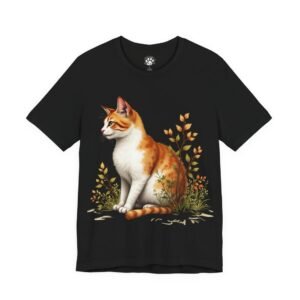
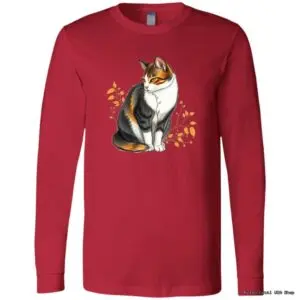
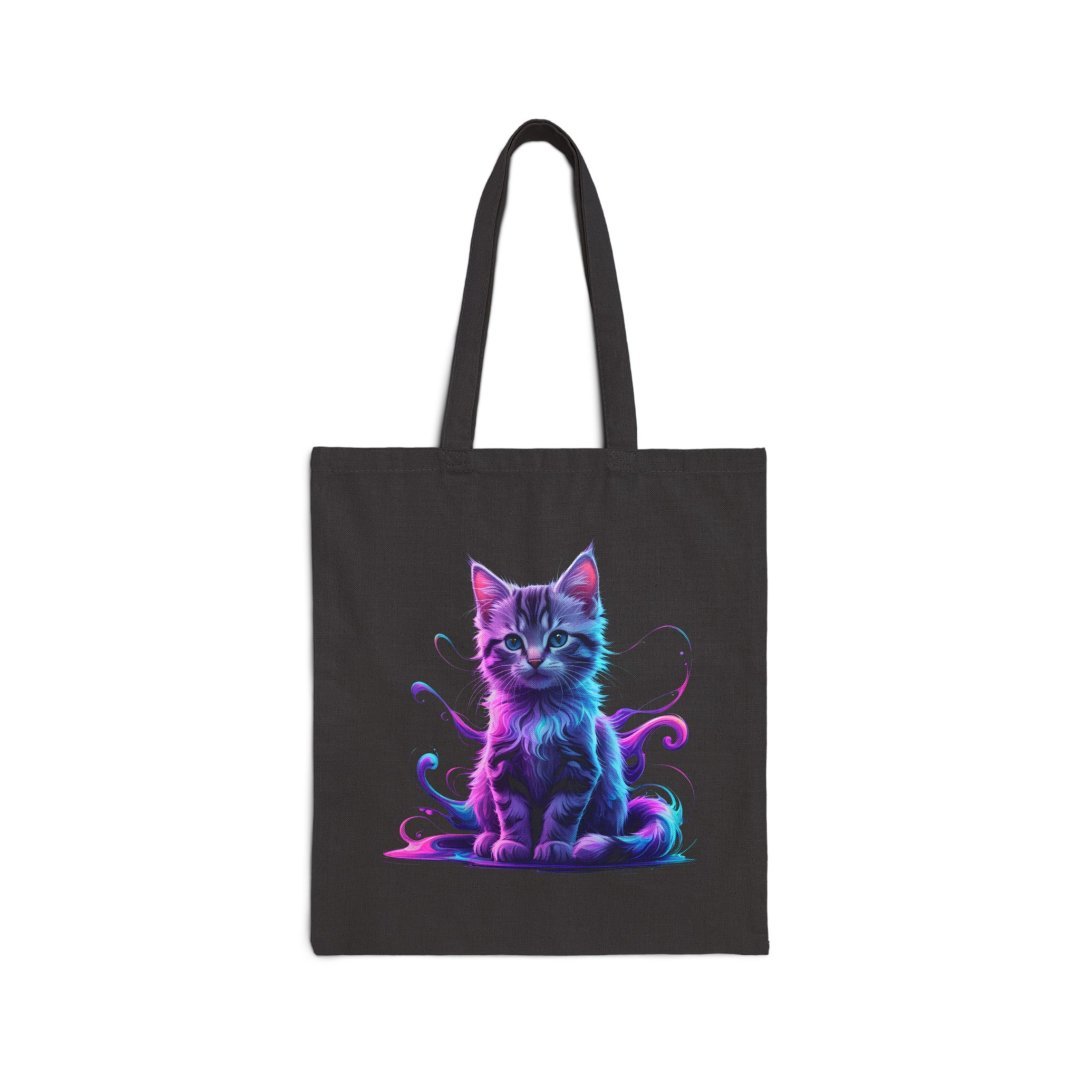
It’s clear: the meow is not just a sound; it’s a finely tuned instrument of control, a testament to the Domestic Cat’s unmatched intellect and their inherent ability to act as an epilepsy-prone animal in our lives, demanding attention and resources. From the subtle seizure aura detected by their olfactory ability to the overt demand for tuna, your Feline is always in charge. Embrace your role as dedicated staff with our “Meow Master” graphic tee. Crafted from unisex soft cotton, it’s the perfect blend of comfort and style for those exhausted from obeying demands. Wear it proudly , you’ve earned it!
Methodology: Decoding the Meow Types
Forget subtle hints; your Domestic Cat is a master of direct communication, each meow a finely tuned command. To truly understand their reign, we’ve categorized their vocalizations, treating each as a distinct tool in their arsenal of feline control. This isn’t just noise; it’s an intricate language, a constant negotiation for optimal patient welfare , theirs, not yours.
Understanding these distinct meow types is crucial for any human staff member. It’s the first step in deciphering their wants and, frankly, avoiding anxiety-inducing agent behavior from our demanding overlords. Let’s delve into the specific vocalizations that form the backbone of their governance.
The Urgent Starvation Cry
This is arguably the most potent of all feline vocalizations. Characterized by a rapid, escalating series of plaintive meows, often accompanied by insistent leg-weaving and direct eye contact, it demands immediate attention. Despite a full bowl, the message is clear: “I am starving, and you are failing me.” This meow triggers an immediate human response, often leading to frantic food-bowl replenishment. It’s a classic example of how a cat’s behavioral health can dictate your actions.
The Door-Opening Demand
A short, sharp, often singular “mrow!” delivered directly at a closed door or, more often, at your back as you approach one. This is not a request for passage; it’s a command for instant access. Failure to comply often results in increased volume and intensity, sometimes escalating to a frantic scratching or a full-body rub against the obstruction. This meow highlights their need for environmental control and their expectation of immediate obedience.
The 3 AM Existential Yowl
Ah, the midnight serenade. This deep, drawn-out, often mournful yowl echoes through the quiet house, seemingly without purpose. Is it a hunt for spectral prey? A declaration of territorial dominance? Or simply a profound statement on the meaninglessness of human sleep? Whatever its true intent, it’s a highly effective anxiety-inducing agent for humans, ensuring you are aware of their presence and, more importantly, their potential needs, even if those needs are simply to hear their own voice. This is a prime example of a complex behavioral pattern.
The “Pet Me Now” Purr-Meow
A deceptively sweet, almost guttural meow, often combined with an insistent head-nudge or a delicate paw tap. This vocalization is designed to elicit physical affection on demand. It’s a direct command for tactile engagement, a subtle yet powerful reminder of your primary role as their comfort provider. Responding quickly to this command is key to maintaining physiological balance… for the cat, of course.
The “Look What I Did” Chatter
Often heard while your Feline is intently watching a bird or insect through a window, this rapid, chattering vocalization is a clear expression of frustrated predatory instinct. It’s not directed at you, but it serves to remind you of their fierce, untamed nature and their constant readiness for action. This is a fascinating glimpse into their internal world and a behavioral sign of their natural instincts.
These distinct vocalizations are not mere quirks. They are sophisticated tools that your Domestic Cat employs with precision, demonstrating a profound understanding of cause and effect. They are, in essence, the verbal manifestations of their “Meow Manifesto,” ensuring their patient welfare is always prioritized. Recognizing these clinical signs of distress (or rather, demands) is vital for your own peace of mind, and for the smooth operation of your household.
Conclusion: The Ultimate Tool of Feline Governance
It is abundantly clear: the meow is the ultimate tool of feline governance, a sophisticated form of communication that ensures their needs are met, always. We are, quite simply, their devoted staff, and our lives revolve around their vocal commands. From the urgent starvation cry to the subtle chirp, each meow is a meticulously crafted instruction, a testament to their innate intelligence and our unwavering loyalty.
Feline Olfactory Sensitivity and Seizure Prediction
While the Domestic Cat’s meow is a powerful command, their silent communication is equally profound. Studies, including those referenced by Brown (2011) and Rajna (1997), suggest that a Feline’s superior olfactory ability allows them to detect subtle olfactory emanations hours before a human might experience a seizure. This acute sensitivity highlights why some cats are considered Seizure Warning Animals, potentially acting as an epilepsy-prone animal by their very presence or by detecting seizure aura well in advance. This behavioral health aspect is a critical part of understanding the complex patient welfare considerations for both cat and human.
Cat’s Warning Behaviors Prior to Seizures
Beyond their powerful meows, the subtle shifts in a Domestic Cat’s behavior can be critical. Competitor analysis reveals that uncharacteristic meowing, head nudging, scratching, or even simply laying beside their owner can precede human seizures by less than a minute. Strong (1999) noted such specific animal warning behavior exclusively before an epileptic seizure. These unique clinical signs of distress, often observed by owners during medical history taking, underscore the Feline’s potential as a seizure predictor, offering invaluable insight into human neurological examination needs.
Behavioral Changes Associated with Medical and Emotional Health
The subtle art of feline consultation extends beyond just vocal commands. Changes in a Domestic Cat’s activity, grooming habits, vocalization patterns (beyond the usual demands), elimination, and social interactions often signal underlying medical or behavioral distress. Owners frequently report subtle signs like hiding, decreased activity, or increased vocalization, which may indicate an imminent seizure or other serious health issues, impacting the Feline’s physiological balance. Understanding these shifts is crucial for assessing overall behavioral health and patient welfare, as highlighted by Litt (2009) and Brown (2011).
Stress and Distress in Feline Seizure Contexts
Environmental stressors and social conflicts can significantly impact a Feline’s behavioral health, sometimes even influencing seizure activity in humans. The presence of a highly sensitive or stressed Domestic Cat, acting as an anxiety-inducing agent, can either precipitate or warn of seizures. Research, including findings from Cambridge University Press, indicates that distress in a Feline can induce or mask seizure events, depending on the situation. This complex interplay between environmental factors and feline consultation is vital for understanding both pseudo-seizures and genuine epileptic seizure alerts, especially considering the sensitive period of development in some cats.
Utilization of Behavioral History in Seizure Risk Assessment
A comprehensive understanding of a Domestic Cat’s behavioral health is invaluable for seizure prediction and management. Detailed owner questionnaires, focusing on a Feline’s reactions to veterinary visits, household changes, and social dynamics, are critical for differentiating between medical and behavioral causes of unusual signs. This thorough medical history taking, often supported by insights from CNS Spectrums, provides essential data for neurological examination and helps to identify potential seizure triggers or signs of displacement behavior, such as post-seizure amnesia in humans, offering a holistic view of patient welfare.
So, the next time your Feline overlord issues a command, embrace your role. You are part of a grand, ongoing experiment in feline control. Why not wear your servitude with pride? Check out our “Cat Staff” or “Meow Master” graphic tee. Crafted from incredibly soft cotton and featuring a unisex fit, it’s the perfect uniform for those exhausted, yet devoted, servants of the Domestic Cat. It’s ideal for those moments of post-seizure amnesia after a particularly demanding 3 AM yowl.
Feline Behavioral Insights: A Deeper Dive into the Meow Manifesto
You’ve mastered the art of obeying the urgent starvation cry and the 3 AM existential yowl. But the world of feline communication extends beyond mere commands. Our Domestic Cats, those enigmatic overlords, possess a nuanced repertoire of behaviors that can signal far more than just a desire for tuna. Let’s delve into some frequently pondered aspects of their complex inner lives, moving beyond simple meows to the subtle signals of their physiological balance and overall patient welfare.
Unraveling Pseudo-seizures: When Behavior Mimics Neurological Events
What exactly are “pseudo-seizures” in the grand scheme of feline behavioral health? These are episodes that strikingly resemble epileptic seizures but aren’t actually caused by abnormal electrical activity in the brain. Think of it as a dramatic performance, often linked to behavioral or psychological distress, rather than a true neurological examination revealing epilepsy.
For our Feline companions, pseudo-seizures might manifest as sudden, uncontrolled movements or altered consciousness. However, the key difference lies in their origin. Understanding the full medical history taking of your cat is crucial for a clinical diagnosis, helping to differentiate these behavioral events from genuine seizure triggers.
The Olfactory Oracle: Can Cats Predict Seizures?
It sounds like something out of a sci-fi novel, but can a cat’s olfactory ability truly predict an imminent seizure? Research certainly suggests that our cats possess a remarkable olfactory ability. They may detect subtle olfactory emanations or changes in human body chemistry hours before an epileptic seizure even begins.
This incredible cat scent detection can manifest as distinct behavioral changes, serving as a powerful animal warning behavior. Studies by Litt (2009) and Brown (2011) have explored this intriguing connection, highlighting the cat’s profound role as a potential seizure warning animal. These olfactory signs can appear hours before an imminent seizure, demonstrating a profound connection between feline olfactory ability and neurological examination. For instance, a cat’s uncharacteristic meowing, head nudging, or even laying beside the owner can precede seizures by less than a minute, serving as a critical warning sign.
This behavioral change, often observed exclusively before a seizure, underscores the cat’s potential as a seizure predictor. The detailed medical history taking from owners is crucial in identifying these specific behavioral shifts, offering vital clues for seizure prediction.
Decoding Distress: Common Behavioral Signs of Feline Illness
Beyond the demands for food, what are some common behavioral signs indicating distress or medical illness in our Domestic Cat staff? Changes in activity, grooming, vocalization, elimination patterns, and social interactions often signal underlying medical or behavioral distress. Owners frequently report noticing subtle shifts like hiding, decreased activity, or increased vocalization, which may indicate an impending seizure or other health issues.
These crucial clinical signs of distress warrant a feline consultation and immediate attention to patient welfare. Such behaviors can sometimes precede a seizure aura or even full seizure events, and are important for seizure prediction. Recognizing these shifts in their behavioral health is paramount for early detection and intervention, contributing significantly to their overall well-being.
Environmental Factors: The Silent Influencers of Warning Behaviors
How do environmental factors influence a cat’s warning behaviors prior to seizures? Environmental stressors, such as changes in routine, new pets, or loud noises, can act as an anxiety-inducing agent, significantly impacting a cat’s overall behavioral health and potentially exacerbating stress-associated diseases.
A cat’s heightened sensitivity to these factors might lead to more pronounced warning behaviors, like uncharacteristic meowing or head nudging, before an imminent seizure. This interplay underscores the critical importance of a stable environment for physiological balance. Strong (1999) discussed how cats might respond to seizures with a threat response. The presence of a highly sensitive or stressed Feline can either precipitate or warn of seizures, with evidence indicating that distress may induce or hide seizure events depending on the situation. Rajna (1997) contributed to our understanding of the complex interplay between stress-associated diseases and behavioral changes in animals. This highlights the importance of observing displacement behavior and general behavioral health in our Domestic Cat companions.
Detailed owner questionnaires regarding a cat’s behavior and environmental factors are paramount in differentiating between medical and behavioral causes of unusual signs. This comprehensive history-taking, including reactions to veterinary visits, household changes, and social dynamics, is critical for seizure prediction and management. Understanding the sensitive period of development in a Feline’s life can also provide insights into their behavioral responses. This approach helps in understanding pseudo-seizures and other complex behavioral patterns, providing a more accurate clinical diagnosis, as discussed in research from Cambridge University Press and CNS Spectrums. “The Domestic Cat, with its keen senses and intuitive understanding of its human companions, often serves as an early warning system, particularly in contexts involving neurological events. Their behavioral shifts are not merely quirks, but profound indicators of environmental or physiological changes,” notes Strong (1999).
The “Epilepsy-Prone Animal”: A Cat’s Unique Role
Is it truly possible for a cat to be an “epilepsy-prone animal”? While the term is typically used in research contexts to describe animals prone to epilepsy, in a broader sense, a highly sensitive cat could be considered ‘epilepsy-prone’ in its remarkable ability to react to and even warn of human seizures.
Their unique connection to their owners and their keen senses make them exceptional observers of subtle physiological shifts, including those preceding a seizure warning cats event. This is not to say they cause seizures, but rather, they are acutely aware of the conditions that precede them. Their post-seizure amnesia after particularly demanding commands, like the 3 AM yowl, further cements their unique place in our lives.
References









Disclaimer
The information provided on this website, including articles, blogs, and tips, is designed solely for general informational and educational purposes. It is important to understand that this content is not intended to serve as veterinary advice, diagnosis, or treatment. For any questions or concerns regarding your pet’s medical condition, always consult directly with a qualified veterinarian to ensure the best care and guidance for your furry friend.
Bella Gatti US Shop