TL;DR (Too Long; Didn’t Read)
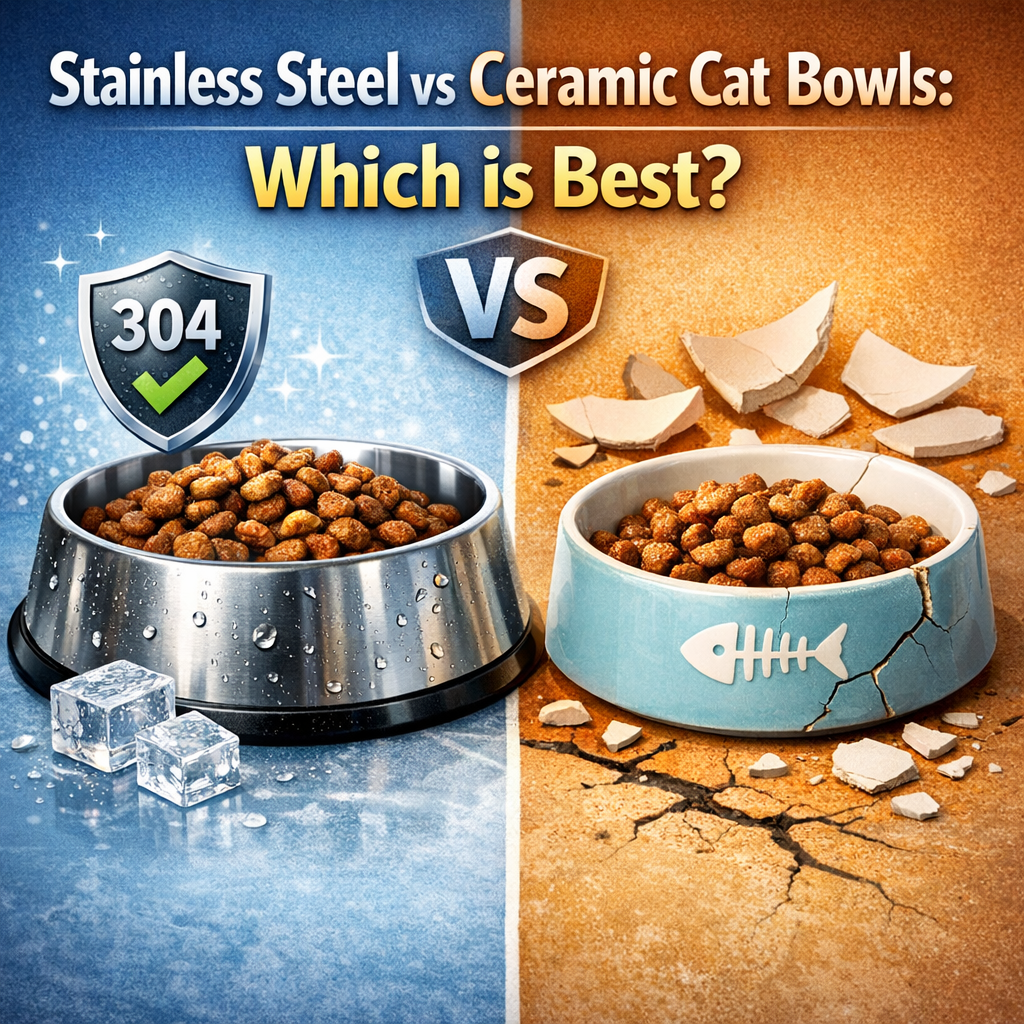
- Stainless Steel is Superior: 18/8 304 food-grade stainless steel is the safest, most durable, and most hygienic choice for cat bowls. It’s non-porous, antibacterial, unbreakable, dishwasher-safe, and free from harmful chemicals like lead, mercury, and BPA.
- Ceramic Bowls Have Risks: While aesthetically pleasing, ceramic bowls are fragile and prone to chipping or cracking, which creates porous surfaces that trap bacteria and can lead to feline acne. Some glazes may also contain toxic heavy metals.
- Plastic Bowls are the Worst: Plastic is highly porous, scratches easily, and harbors bacteria, making it a leading cause of feline acne. Many plastic bowls also leach harmful chemicals like BPA and phthalates into food.
- Cleanliness is Key: Regardless of material, regular cleaning (after every meal for food, daily for water) is crucial to prevent bacteria buildup. Stainless steel’s non-porous nature makes it easiest to sanitize effectively.
Table of Contents
You have spent hours researching the perfect high protein kibble for your feline friend. You have even picked out the cutest cat t-shirts for yourself to celebrate your obsession. But have you looked closely at the dish your cat eats from every single day?
The bowl you choose is one of the most vital purchases for your pet’s long term health. It is not just about matching your kitchen decor or finding a cute aesthetic. It is about bacteria, safety, and long term comfort.
In short: the material matters more than you think. Let us dive into the battle between stainless steel and ceramic cat bowls to see which one wins the gold medal for your kitty.
Materials Comparison of Cat Bowls: The Heavy Hitters
When choosing the best cat bowls, you generally face three choices: stainless steel, ceramic, and plastic. While plastic cat bowls are common, they are the bottom tier of feline dining. Plastic is highly porous and easily scratched, creating a breeding ground for germs.
Stainless steel is widely regarded by experts on Reddit and YouTube as the safest and most durable option. Unlike other materials, it offers a non-porous surface that prevents bacteria from hiding. This makes it a sanitary cat bowl choice that protects your cat from nasty infections.
Ceramic pet dishes are a popular middle ground. They are heavier than plastic and come in beautiful designs. However, they lack the unbreakable cat bowl status of steel. If a ceramic dish develops even a tiny hairline fracture, it becomes a sanctuary for mold and bacteria.
Safety of Stainless Steel Cat Bowls: The Gold Standard
If you want the ultimate in cat bowl safety, look for 18/8 304 series stainless steel. This food grade steel is the same quality used in professional kitchens. It is naturally antibacterial and does not leach chemicals into your cat’s water or food.
Top tier brands like Americat Company prioritize high quality materials made in USA. These products are rigorously tested to be lead free, mercury free, and cadmium free. This ensures your pet is not exposed to heavy metals that can cause long term health issues.
A 304 stainless steel bowl is also a dishwasher safe dream. You can toss it in the machine on a high heat cycle to ensure it is completely germ resistant. Because it is an unbreakable cat bowl, you never have to worry about it shattering if you drop it during cleaning.
Disadvantages of Ceramic Bowls: Hidden Dangers
Ceramic bowls might look charming, but they carry risks that every owner should know. The biggest concern is the glaze. Some ceramic cat bowls, especially those not properly certified, may contain lead or mercury in the glaze which is toxic if ingested.
Even a high quality ceramic dish is prone to chipping. Once the smooth surface is compromised, the porous interior is exposed. This allows bacteria to grow deep inside the bowl where a standard wash cannot reach. This can lead to feline acne or a painful cat chin infection.
The Consumer Product Safety Commission often monitors imported pet goods for these very reasons. While ceramic is better than plastic, its fragility means it is not a “buy it once” product. One accidental drop and you are back to square one, or worse, dealing with a cut paw.
Risks of Plastic Cat Bowls and Chemical Leaching
Plastic food containers are the most dangerous choice for your cat’s face. Most plastic bowls contain BPA and phthalates, which are known endocrine disruptors. These chemicals can leach into wet food, especially if the bowl is slightly warmed or worn down.
Beyond chemicals, plastic is a magnet for bacteria entrapment. Tiny scratches from kibble or cleaning sponges become microscopic caves for germs. This is the leading cause of feline acne, where a cat develops blackheads and sores on their chin from rubbing against a dirty bowl.
If you care about cat health, moving away from plastic is the first step. Switching to a non-toxic cat bowl made of metal or high quality glass is a simple way to prevent recurring vet visits for skin irritation and allergies.
Bacteria Entrapment and Clean-ability
Cleanliness is the most important factor in preventing whisker fatigue and skin issues. A non-porous surface is your best defense. Stainless steel is completely smooth, meaning there is nowhere for biofilm to take hold between feedings.
Whether you follow pet influencers like Penny and Bella or read deep dives on Google, the consensus is clear. A sanitary cat bowl must be able to withstand high heat sterilization. Stainless steel handles this perfectly, while ceramic may crack and plastic may melt or release toxins.
Choosing a durable cat dish that is easy to sanitize ensures your cat’s dining area stays fresh. When you pair a safe bowl with an elevated cat bowl stand, you create a healthy, ergonomic, and germ free environment for your feline friend.
Materials Comparison of Cat Bowls
When you browse the aisles of a pet shop, you generally see three main contenders: plastic, ceramic, and stainless steel. While plastic is cheap, it is often the worst choice for a healthy home. Most experts and top brands like the Americat Company agree that stainless steel cat bowls are the gold standard for hygiene.
Stainless steel is a hard, non-porous surface. This means there are no microscopic nooks or crannies where old food and saliva can hide. Ceramic is a close second, but it relies heavily on the quality of its glaze. If that glaze fails, the porous clay underneath becomes a breeding ground for germs and bacteria.
Safety of Stainless Steel Cat Bowls
If you want the best cat bowls for your feline, look for 18/8 304 series stainless steel. This food grade steel is used in professional kitchens because it is antibacterial and rust resistant. Unlike other materials, high quality stainless steel cat bowls are tested for heavy metals by organizations like the Consumer Product Safety Commission.
These sanitary cat bowl options are often made in USA to ensure they are free from lead, mercury, and cadmium. Because they are an unbreakable cat bowl choice, you never have to worry about sharp shards or cracks. They are fully dishwasher safe, making your cleaning routine as easy as tossing your favorite cat t-shirts in the wash.
Disadvantages of Ceramic Bowls
Ceramic pet dishes are undeniably cute and can match your kitchen decor, but they come with risks. The biggest concern is the glaze; some imported ceramics have been found to contain lead or mercury. If the glaze chips, which happens easily with fragile ceramic, it exposes porous material that traps bacteria.
Even a tiny hairline fracture can lead to a cat chin infection. While many ceramic options are marketed as safe cat bowls, their tendency to crack makes them less durable than steel. If you choose ceramic, you must inspect it daily for any signs of wear to protect your cat’s health.
Risks of Plastic Cat Bowls
Plastic food containers are the most common cause of feline acne. Plastic is a porous material that develops deep scratches from everyday use and cleaning. These scratches are impossible to fully sanitize, creating a permanent home for harmful bacteria that causes a cat chin infection.
Many plastic cat bowls also contain BPA and phthalates, which are known endocrine disruptors. These toxins can leach into your cat’s food over time. Because plastic is not a germ resistant or non-porous surface, it is generally considered the least sanitary cat bowl option available on the market today.
Bacteria Entrapment and Clean-ability
The ability to maintain a sanitary feeding station is vital for long term cat health. Bacteria entrapment occurs when organic matter gets stuck in the surface of a bowl. On Reddit and YouTube, many pet owners share stories of persistent feline acne that only cleared up after switching to a non-porous surface.
Stainless steel is the easiest to keep clean because it can withstand high heat and heavy scrubbing without degrading. A durable cat dish made of 304 stainless steel ensures that every meal is served on a surface that is truly BPA free and lead free. This level of cleanliness is nearly impossible to achieve with a scratched plastic dish.
| Feature |
Stainless Steel |
Ceramic |
Plastic |
| Durability |
Unbreakable |
Fragile |
Scratches Easily |
| Hygiene |
Antibacterial |
Good (if glazed) |
Poor |
| Dishwasher Safe |
Yes |
Yes |
Sometimes |
| Risk of Toxins |
Low (304 grade) |
Moderate (Lead risk) |
High (BPA/Phthalates) |
Expert Insight
“Plastic food and water bowls are widely considered by veterinary experts to be the primary source of feline chin acne due to their porous nature, which traps bacteria in microscopic scratches, necessitating a switch to non-porous options like stainless steel, glass, or sealed ceramic for optimal pet health.”, Veterinary Experts
Safety of Stainless Steel Cat Bowls
If you want the absolute safest cat food bowls available in the USA, look for 18/8 304 series stainless steel. This food grade steel is BPA free, lead free, and non-toxic, ensuring no harmful phthalates or chemicals leach into your cat’s dinner.
Unlike plastic food containers, high quality 18/8 stainless steel is a non-porous surface. This is a game changer for cat health because it prevents the bacteria entrapment that leads to feline acne and painful cat chin infections.
These sanitary cat bowls are germ resistant and can withstand extreme heat. You can toss them in the dishwasher or use boiling water to sterilize them without worrying about the material warping or melting like cheap plastic alternatives.
A durable cat dish made of steel is virtually unbreakable. Whether you have a playful kitten named Penny or a clumsy senior like Bella, a steel bowl will not shatter into dangerous shards if it gets knocked off a counter.
While the Consumer Product Safety Commission monitors various pet products, choosing 304 series stainless steel is your best bet for meeting high safety standards. It provides a level of antibacterial protection that ceramic pet dishes simply cannot guarantee if they develop micro-cracks.
When you browse reviews on Reddit, Google, or YouTube, you will see that experts consistently recommend stainless steel cat bowls for their longevity and hygiene. They are the gold standard for owners who prioritize a clean, safe eating environment for their feline friends.
Disadvantages of Ceramic Bowls
Ceramic cat bowls are undeniably beautiful and heavy. Their weight is a plus because it helps prevent them from sliding across the kitchen floor while your cat eats. However, these pretty dishes often hide serious risks that can impact cat health over time.
The Consumer Product Safety Commission has issued warnings regarding lead and mercury testing in various glazed products. Some decorative ceramic pet dishes are coated in glazes that can leach heavy metals directly into your cat’s food and water.
Even if a bowl is labeled as lead free, ceramic is highly prone to micro cracks. These tiny fissures are often invisible to the naked eye but are large enough to trap moisture and harmful bacteria. This creates a breeding ground for germs that soap and water cannot reach.
Once a ceramic bowl is chipped, it is no longer a sanitary cat bowl. Sharp edges on a chipped dish can cause painful injuries to your cat’s tongue or mouth. If you see a crack, you should replace the bowl immediately to maintain proper cat bowl safety.
Unlike 18/8 304 series stainless steel, ceramic is fragile and breaks easily. While it feels sturdy, a single drop can turn your stylish dish into dangerous shards. This fragility makes it a secondary choice compared to an unbreakable cat bowl made of high grade steel.
Many cat owners on platforms like Reddit and YouTube have shared stories of feline acne caused by bacteria hiding in ceramic glazes. While ceramic is better than porous plastic food containers, it still falls short of the antibacterial properties found in American craftsmanship.
Ceramic is heavy and stable, but its fragility and the potential for toxic glazes make it a secondary choice to high grade steel.
Expert Insight
“Ceramic is heavy and stable, but its fragility and the potential for toxic glazes make it a secondary choice to high grade steel.”, Veterinary Health Expert
Risks of Plastic Cat Bowls
You might see plastic bowls everywhere from big box stores to Reddit threads, but they are often the secret culprit behind feline acne. Plastic is a porous material that develops deep scratches from everyday use and cleaning. These tiny crevices become bacteria traps that are nearly impossible to sanitize fully, even in a dishwasher.
When bacteria thrive in these scratches, your cat is at high risk for a cat chin infection. This often appears as black bumps or sores on their chin. If your vet sees these symptoms, the first thing they will tell you is to throw away your plastic food containers and switch to a more sanitary pet product.
Beyond bacteria entrapment and cleanability issues, many plastic bowls contain BPA and phthalates. These chemicals can interfere with your cat’s hormones and leach toxins directly into their food. Unlike a non-toxic cat bowl made from 18/8 304 series stainless steel, plastic degrades over time and can release harmful particles.
Plastic is also prone to chemical leaching and is far from a safe cat bowl choice for long term use. While they are cheap and come in every color to match your favorite cat t-shirts, they lack the antibacterial properties found in high quality metals. For a healthy feline, avoiding porous surfaces is a must.
If you are looking for a durable cat dish that is germ resistant, plastic simply cannot compete with the safety of American craftsmanship. Whether you are a new cat parent or a seasoned pro like Penny or Bella, choosing a non-porous surface is the best way to prevent feline acne and ensure your pet’s safety.
Expert Insight
“Plastic cat bowls are detrimental to feline health, not only harboring bacteria in microscopic scratches that cause issues like chin acne, but also leaching harmful chemicals such as BPA and phthalates that can interfere with hormones and release toxins into food.”, Veterinary Expert Consensus
Bacteria Entrapment and Clean-ability
Cleanliness is the biggest factor in the stainless steel vs ceramic debate. On Reddit and YouTube, many pet owners discuss the slime that builds up in pet dishes. This biofilm is a collection of bacteria that thrives on porous surfaces.
Because high quality 18/8 304 series stainless steel is smooth and non-porous, biofilm has a harder time sticking to it. This makes it a germ resistant option that keeps water fresher for longer. It is the gold standard for a sanitary cat bowl.
While ceramic cat bowls are dishwasher safe, the risk of the glaze wearing down over time is a major concern. Once the glaze chips or cracks, the material becomes a breeding ground for bacteria. This makes it lose its antibacterial properties and puts your cat at risk.
Materials Comparison of Cat Bowls
When you compare stainless steel, ceramic, and plastic, stainless steel consistently wins for cat health. Experts and users on Google often recommend 304 stainless steel because it is non-toxic and unbreakable. Unlike ceramic, it will not shatter if you drop it during a deep clean.
A durable cat dish made from food grade steel is much safer than plastic food containers. Plastic is the worst offender for bacteria entrapment because it scratches so easily. These scratches are impossible to fully sanitize, even with high heat, leading to recurring cat chin infection issues.
For the ultimate safety, look for bowls that are BPA free and lead free. Many top-tier options, like those from Americat Company, are made in USA and undergo strict lead and mercury testing. This ensures your cat, whether their name is Penny or Bella, eats from a non-toxic cat bowl every day.
Disadvantages of Ceramic Bowls
Ceramic pet dishes might look beautiful in your kitchen, but they come with hidden dangers. Some cheaper ceramic imports have been flagged by the Consumer Product Safety Commission for containing lead or cadmium in the glaze. These toxins can leach into food and cause long term health problems.
Beyond chemical leaching, the fragility of ceramic is a practical nightmare. A tiny hairline crack can harbor millions of bacteria, leading to feline acne. If a bowl chips, the sharp edges can injure your cat’s tongue or paws, making it a less reliable choice than an unbreakable cat bowl.
To maintain a healthy environment, you need a bowl that can withstand frequent sanitation. While ceramic can be heavy and stable, the risk of it becoming a porous surface over time makes it a secondary choice compared to the longevity of food grade stainless steel.
Whisker Fatigue and Bowl Design
Have you ever noticed your cat pulling food out of the bowl to eat it off the floor? They might be suffering from whisker fatigue. This happens when their sensitive whiskers touch the sides of a deep, narrow bowl, causing sensory overload.
The best cat food bowls are wide and shallow to accommodate these delicate sensors. Many high quality 18/8 304 series stainless steel options are designed specifically with a whisker friendly design to prevent this daily stress for your feline friend.
Pairing these with an elevated cat bowl stand can also improve digestion and posture. This setup mimics a more natural eating position, making it a favorite recommendation on platforms like Reddit and YouTube for improved cat health.
Risks of Plastic Cat Bowls
While plastic food containers are cheap, they are the least sanitary cat bowl choice. Plastic is highly porous and develops microscopic scratches that harbor bacteria, even after a trip through the dishwasher.
These scratched surfaces often lead to feline acne or a nasty cat chin infection. Furthermore, low quality plastic may contain BPA and phthalates, which can leach toxins into your pet’s water and food over time.
Unlike a sanitary cat bowl made of food grade steel, plastic is impossible to fully sterilize. For a safe cat bowl that protects against allergies and bacteria entrapment, experts and the Consumer Product Safety Commission suggest moving away from porous materials.
Disadvantages of Ceramic Bowls
Ceramic cat bowls are popular for their weight and style, but they come with hidden risks. The biggest concern is the potential for lead in glazes, which is toxic if ingested by your cat during their daily meals.
Even if they are labeled lead free, ceramic pet dishes can develop tiny chips or cracks. These imperfections become breeding grounds for germs, making them much harder to keep as a germ resistant option compared to 18/8 stainless steel.
The fragility of ceramic also increases the risk of breakage. A cracked bowl can injure your cat’s tongue or paws, whereas an unbreakable cat bowl made of durable cat dish materials like stainless steel offers long term safety.
Stainless Steel vs Ceramic Cat Bowls: Pros and Cons
When choosing between stainless steel vs ceramic, stainless steel usually wins for safety and hygiene. Brands like Americat Company in the USA emphasize American craftsmanship to ensure these products meet the highest safety standards for pets like Penny and Bella.
- Stainless Steel Pros: Unbreakable, antibacterial, lead free, and dishwasher safe. It offers a non-porous surface that prevents bacteria buildup.
- Stainless Steel Cons: Can be noisy if your cat has collar tags; lightweight models may slide without a silicone or rubber base.
- Ceramic Pros: Heavy and stable, stylish designs, and usually stays quiet during mealtime.
- Ceramic Cons: Can chip or crack, potential for lead or mercury in glazes, and harbors bacteria in surface scratches.
Safety and Clean-ability of 304 Stainless Steel
Stainless steel bowls made from 18/8 304 series are the gold standard for cat bowl safety. These are tested and certified free of lead, mercury, and cadmium, ensuring a non-toxic cat bowl for your home.
Because this food grade steel is non-porous, it is naturally germ resistant and easy to sanitize. It is the most durable cat dish option, standing up to years of use without the chemical leaching concerns associated with plastic or cheap glazes.
Choosing a dishwasher safe, antibacterial cat bowl ensures your pet stays healthy and happy. By investing in high quality materials, you are providing a sanitary environment that prevents feline acne and other common skin irritations.
Frequently Asked Questions About Cat Bowl Safety
Is stainless steel better than ceramic for cats?
In most cases, yes. While ceramic cat bowls look charming on your counter, stainless steel is the champion of cat health. It is a non-porous surface that won’t harbor hidden bacteria.
Unlike ceramic, which can crack or chip, 18/8 304 series stainless steel is an unbreakable cat bowl option. It is easier to sanitize in the dishwasher, ensuring your cat always has a germ resistant place to eat.
Can ceramic bowls cause feline acne?
They certainly can. If the glaze on a ceramic dish is low quality or becomes scratched, it creates tiny caves where bacteria throw a party. This leads to a nasty cat chin infection known as feline acne.
To keep your kitty looking as sharp as the feline icons on our favorite cat t-shirts, stick to sanitary cat bowl materials. If you must use ceramic, ensure it is lead free and inspected daily for any microscopic chips.
What is the safest grade of stainless steel for pets?
You should always look for food grade steel, specifically 18/8 or 304 stainless steel. This high-quality material is the same used in professional human kitchens across the USA and is naturally BPA free.
Cheap metal bowls found on some discount sites can contain heavy metals. Always verify that your durable cat dish has undergone lead and mercury testing to meet standards set by the Consumer Product Safety Commission.
How often should I wash my cat’s bowl?
You should wash food bowls after every single meal and refresh water bowls at least once a day. This routine prevents the buildup of biofilm, which is a slimy layer of bacteria that loves a moist environment.
Using a dishwasher safe bowl makes this chore a breeze. Regular cleaning is the best way to prevent feline acne and ensure your pet enjoys the same high standards of hygiene that you do.
Are plastic cat bowls safe to use?
Plastic food containers are generally the least safe choice for your pet. Plastic is highly porous and develops deep scratches during normal use, making it nearly impossible to fully sanitize even with hot water.
Many plastic bowls contain Phthalates and BPA, which can leach into your cat’s high protein kibble. For the best cat health outcomes, experts on Reddit and YouTube consistently recommend switching from plastic to a non-toxic cat bowl like the Americat Company style stainless steel.