TL;DR (Too Long; Didn’t Read)
- Feline Wellbeing: Creating a secure garden perimeter allows cats to enjoy natural outdoor behaviors like sun-bathing and climbing while eliminating risks from traffic, disease, and territorial fighting.
- Customizable Solutions: DIY kits are available for various yard sizes (20ft to 300ft) and can be adapted as retrofit brackets for existing fences or as freestanding enclosures for open spaces.
- High-Quality Materials: For long-term durability, systems should use high-tensile UV-stable poly-mesh and corrosion-resistant hardware (like DuoCoat) to withstand the elements for decades.
- Simple Installation: Most setups can be completed in a few hours using standard tools like a drill, heavy-duty staple gun, and mesh shears by following a step-by-step process of mounting brackets and tensioning the mesh.
Table of Contents
You love your cat, but you also love your sanity. Letting your feline friend roam the neighborhood is a recipe for stress and potential danger. Keeping them cooped up inside often leads to constant mewing at the door and a restless pet.
The solution is simple: a cat proof garden. This guide will show you how to turn your backyard into a secure feline paradise using a high quality DIY cat fence. By creating a controlled natural habitat, you ensure feline mental wellbeing while protecting your cat from the risks of the outside world.
The Essential Benefits of Cat Proofing Your Garden
Installing a cat fence barrier is about more than just containment, it is about feline wellbeing. According to research from the University of Lincoln, outdoor access significantly improves a cat’s quality of life by allowing natural behaviors like sun-bathing and climbing.
A secure garden perimeter prevents territorial fighting with neighborhood strays and reduces the risk of feline diseases. By using cat proofing solutions, you eliminate the fear of traffic accidents or your cat getting lost. This peace of mind allows you to enjoy your garden together safely.
Choosing the Right DIY Cat Fence and Kits
When selecting your cat containment system, yard size and property dimensions are the biggest factors. Most homeowners choose a cat fence barrier kit based on their specific garden boundary measurement. These kits are available in various sizes to suit any project, from small urban yards to sprawling estates.
Standard fencing kit options often come in lengths of 20ft, 40ft, 80ft, 120ft, and up to 300ft. For those with open spaces or no existing walls, a freestanding cat enclosure is an excellent alternative. These systems provide a modular approach to cat safety that can be customized to fit unique topographical garden features.
Key Features of High Quality Cat Proofing Solutions
Not all cat mesh is created equal. To ensure long term use, look for high-tensile UV-stable poly-mesh that can withstand the elements. Top tier systems featuring specialized geometry are specifically designed to challenge the climbing agility of breeds like Bengals.
Durability is vital for outdoor cat safety. Look for components with a corrosion-resistant finish, such as DuoCoat technology. This ensures your fence brackets and internal corner adapters stay strong for years. These bespoke fencing features are designed to be low maintenance while providing a secure garden boundary.
Cost and Pricing for Your Cat Proof Garden
The cost of a cat proof garden varies based on the scope of your installation. Small DIY cat fence kits for a simple garden perimeter can start around $67. These are perfect for blocking off small gaps or adding a simple cat fence barrier to an existing wall.
For larger properties, the investment increases with the size of the system. A comprehensive 300ft system for a large garden boundary can cost over $2,000. While the initial price may seem high, the longevity of these systems makes them a cost effective alternative to professional garden installation service fees.
Installation Tools and Preparation
Before you begin your cat fence installation, you need to gather the right installation tools. You will need a drill, mesh cutting shears, a heavy duty staple gun, and plenty of heavy duty staples. A hammer and a spirit level will also help ensure your garden perimeter is straight and secure.
Start by using mapping software to get an overhead view of your property for accurate measurements. It is also helpful to watch tutorials or join community groups to see how others have handled complex corners. Preparing your tools and plan in advance makes the DIY process much smoother.
Step-by-Step DIY Cat Fence Installation Process
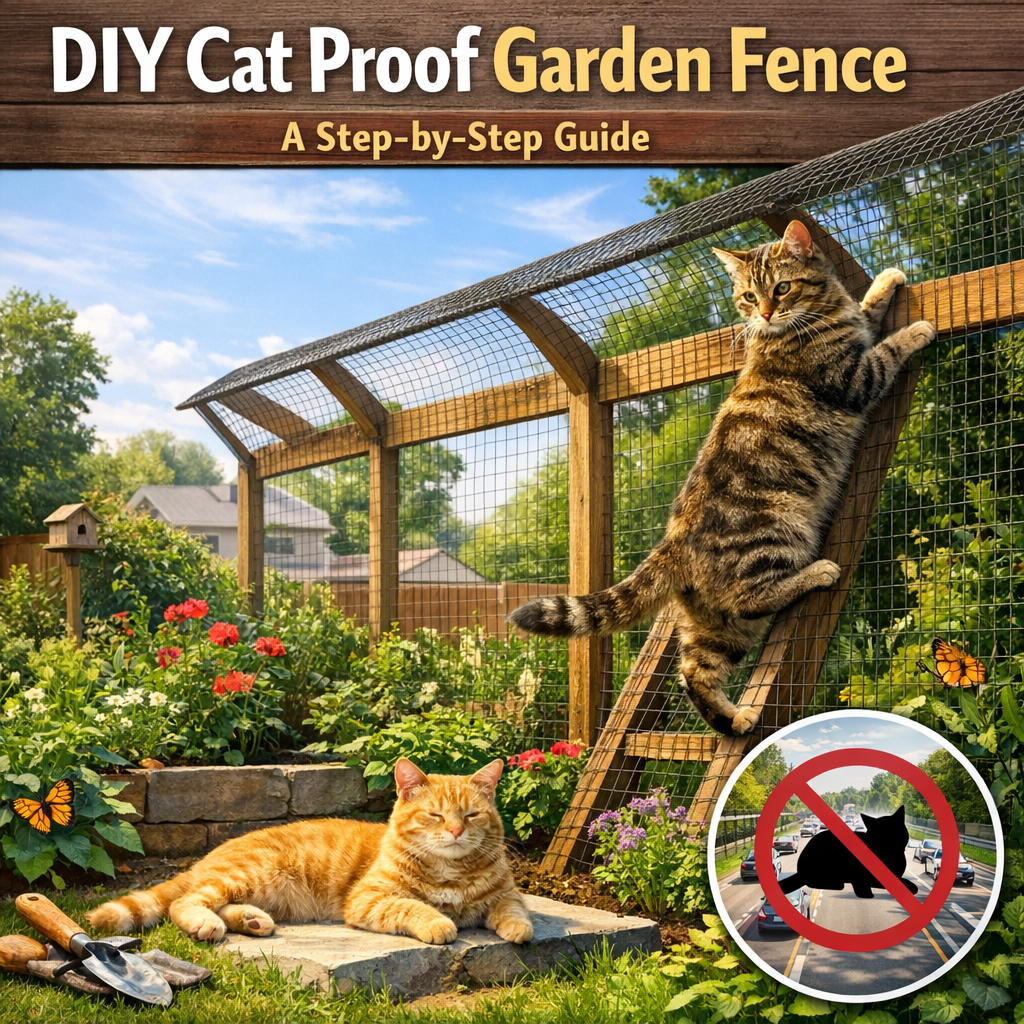
The best way to tackle the installation is to work in sections. Start by mounting your fence brackets or external corner brackets to your existing fence posts or walls. Ensure the modular attachment geometry is consistent so the mesh remains taut across the entire garden boundary.
Once the brackets are secure, roll out your high-tensile UV-stable poly-mesh. Use your mesh cutting shears to trim the material to the correct length. Secure the mesh to the brackets and use your heavy duty staple gun to fix the bottom of the mesh to the wooden fence, ensuring there are no gaps for a cat to squeeze through.
Durability and Long-Term Maintenance
A DIY cat fence is a long term investment in pet safety. Systems engineered with durable coatings are designed to last for decades without significant wear. These materials are built to resist rust and sun damage, meaning your cat proof garden stays secure year after year.
Low maintenance does not mean no maintenance. Periodically check your cat mesh for any debris or sagging. Ensure that your internal corner adapters remain firmly attached after heavy storms. With minimal effort, these professional grade materials will keep your feline friend safe for their entire life.
Decide on Your Cat Fence Barrier System
The first step is looking at what you already have. Do you have a sturdy wooden boundary or is your yard a blank canvas? Your existing garden boundary determines whether you need a retrofit kit or a freestanding cat enclosure.
Most owners choose to modify their current setup for a seamless look. If you have a fence that is at least five or six feet tall, you can likely use a cat fence barrier kit. These kits use brackets to create an inward leaning overhead that stops cats from climbing over.
If you have no fence at all, a freestanding system is your best bet for feline mental wellbeing. Specialized solutions exist for every yard type. You can even use satellite imagery to get a bird’s eye view of your garden perimeter before you start.
Types of DIY Cat Proof Garden Fences
When planning your cat proof garden, you need to choose a system that fits your property dimensions. DIY cat fence kits come in various sizes to suit different yard scales. You can find kits ranging from 20 feet for small patios to 300 feet for massive estates.
A freestanding cat enclosure is perfect for open spaces where no traditional fencing exists. For those with existing walls, a cat fence barrier kit is the go-to choice. These systems ensure your cat stays within a natural habitat while keeping stray animals out.
The University of Lincoln has highlighted how a secure outdoor space reduces stress for pets. Whether you choose a 40 foot, 80 foot, or 120 foot system, the goal is total cat containment. Check out online tutorials to see these different setups in action.
Key Features of High Quality Cat Fence Kits
Not all mesh is created equal when it comes to cat safety. Professional grade kits feature high tensile UV stable poly mesh that resists weathering. This material is designed to be strong yet flexible enough to prevent climbing.
Look for proprietary designs specifically tested for athletic breeds. The hardware should feature a corrosion resistant finish to ensure it survives the elements. These fence brackets are engineered to be modular and durable.
Corner security is vital for a cat proof garden. You will need internal corner adapters and external corner brackets to maintain the inward lean. These bespoke fencing features ensure there are no weak points in your garden boundary measurement.
Cost and Pricing of Cat Fence Kits
Budgeting for pet safety depends on the scope of your project and the quality of materials. Small starter kits for a single garden section can cost around $67. These are great for testing the waters or securing a small alcove.
For a full yard transformation, prices scale with the length of the perimeter. A 300 foot system might cost upwards of $2,000 for premium professional grade components. While the initial investment varies, it is often cheaper than a professional garden installation service.
Investing in a high quality system ensures long term reliability. Choosing durable materials means you will not have to replace the mesh every season. This makes a DIY cat fence an affordable way to invest in your feline wellbeing.
Installation Process and Tools Needed
Success starts with the right installation tools and a solid plan. You will need a drill, a heavy duty staple gun, and heavy duty staples for wooden fences. Mesh cutting shears are essential for trimming the poly mesh to fit your specific layout.
Begin by measuring your property accurately to ensure you have enough material. Follow the detailed instructions provided with your kit to install the fence brackets at regular intervals. It is best to work in sections to keep the mesh taut and secure.
Do not forget to account for topographical garden features like slopes or trees. Use a hammer to secure ground pegs if your system includes a bottom skirt. Taking your time during this phase ensures a professional look and maximum cat safety.
Durability and Long Term Use
A cat proofing solution should last for years with minimal maintenance. Research and development in the industry have led to components with specialized coatings for extra protection. These systems are designed to withstand wind, rain, and feline curiosity.
High quality kits often come with warranties that reflect their decades-long reliability. Unlike cheap netting, high tensile mesh does not sag or tear easily. This provides peace of mind that your garden remains a secure feline paradise.
Regularly check your garden perimeter for any fallen branches or debris. A quick visual inspection once a month keeps the system in top shape. This commitment to quality ensures your cat containment system remains effective for the long haul.
Benefits of Cat Proof Fencing
The primary benefit of a cat proof garden is outdoor cat safety. By keeping your pet within your yard, you prevent accidents and reduce the risk of disease. It also helps in territorial fighting prevention with neighborhood strays.
A secure garden enables natural behaviors like climbing, sun bathing, and exploring. This boost to feline mental wellbeing is priceless for an indoor cat. They get the fresh air they crave without the dangers of the open road.
Modular attachment geometry allows the fence to adapt as your garden grows. You can create a safe space that evolves with your landscaping. Ultimately, it provides a stress-free environment for both you and your beloved pet.
Measuring Your Garden Perimeter and Planning Your Cat Fence
Accuracy is everything when ordering your DIY cat fence materials. You need to measure the entire length of your garden boundary measurement to ensure your feline friends stay within their natural habitat. Grab a tape measure and walk the line, noting every twist and turn.
Do not forget to include gates in your final tally! If your yard has a complex shape or dense brush, tools like satellite mapping can help you get a bird’s eye view of the perimeter. This allows you to double check your numbers against the actual topographical garden features of your property.
You must also account for vertical challenges. Different cats have different vertical leaps, and athletic breeds might require specialized solutions. Ensure your measurements reflect any slopes or uneven ground that could leave gaps at the bottom of the cat mesh.
Cost and Pricing of Cat Fence Kits
The price of your cat proofing project depends heavily on the total footage and the specific cat fence barrier kit you choose. Most high quality systems feature a corrosion resistant finish to ensure they last for years in the elements. While a small kit might start around $67 for basic patches, full systems for a standard yard are a larger investment in feline wellbeing.
Investing in a professional grade cat enclosure system prevents costly emergency vet visits and reduces the risk of territorial fighting. These kits often include high tensile UV stable poly mesh and modular attachments to fit any garden boundary. Whether you choose a freestanding cat enclosure or a retrofit system, the long term safety of your pet is the ultimate goal.
| Yard Size (Approx) |
Common Kit Length |
Estimated Price |
| Small Urban Yard |
40 Feet |
$250 to $450 |
| Standard Suburban Yard |
120 Feet |
$850 to $1,100 |
| Large Property |
300 Feet |
$2,000 to $2,600 |
Essential Installation Tools and Corner Components
Before you start the cat fence installation, gather your gear. You will need a drill, a heavy duty staple gun, and mesh cutting shears to trim the high tensile UV stable poly mesh. Having the right tools on hand makes the process of securing the fence brackets to your garden boundary much smoother.
Do not overlook the corners of your yard. Most standard fences require internal corner adapters or external corner brackets to maintain a continuous, escape proof seal. These specialized components ensure that even the most determined climbers cannot find a weak point in the cat containment system.
For more complex layouts, bespoke fencing features might be necessary to navigate trees or sheds. Many owners turn to social media groups to see how others have handled unique obstacles. Following a step by step guide ensures your DIY cat fence provides maximum outdoor cat safety and feline mental wellbeing.
Essential Tools and Materials for Your Cat Proof Garden
You cannot build a feline fortress with just your bare hands. A successful cat fence installation requires specific tools to ensure the cat mesh stays taut and the fence brackets remain secure.
High quality materials are worth the investment to prevent rust and wear over time. Investing in professional grade equipment ensures your cat fence barrier stands up to the elements and curious climbers.
To get started, you will need a heavy duty staple gun for wooden posts and mesh cutting shears to trim the high-tensile UV-stable poly-mesh. These specialized shears make a world of difference when handling tough cat proofing materials.
Your toolkit should also include a drill with a corrosion-resistant finish on the bits, a hammer, and a tape measure. These installation tools are vital for securing the modular attachment geometry of your system.
For navigating the unique layout of your garden boundary, you must have internal corner adapters and external corner brackets. These components allow the cat containment system to follow every twist and turn of your garden perimeter.
Types of DIY Cat-Proof Garden Fences
When selecting your DIY cat fence, consider the scope of your project. Many owners choose a cat fence barrier kit based on their specific garden boundary measurement and yard size.
Kits are often available in various sizes to suit different properties. You can find options ranging from small 20ft or 40ft kits to massive 300ft systems priced around $2,027 for total coverage.
If you lack a traditional wall or fence, a freestanding cat enclosure is an excellent alternative. These standalone structures provide the same level of cat safety without requiring existing topographical garden features.
Key Features of Premium Cat Fence Kits
Quality matters when it comes to cat proofing solutions. Look for kits that feature proprietary designs specifically engineered to challenge the climbing abilities of agile breeds.
The best systems utilize high-tensile UV-stable poly-mesh paired with brackets featuring a corrosion-resistant finish. This ensures your cat proof garden remains secure and attractive for years to come.
These bespoke fencing features are designed for low maintenance. By choosing durable, weather-resistant materials, you ensure your investment in feline wellbeing and outdoor cat safety lasts for decades.
Installation Process and Feline Mental Wellbeing
The installation process begins with a thorough property assessment. Many users find it helpful to consult satellite maps or watch tutorials to visualize the layout before they start.
Tackling the installation in sections makes the project manageable. Start by fixing your fence brackets, then roll out the cat mesh, securing it firmly with heavy duty staples to create a secure habitat.
Research from the University of Lincoln highlights that a secure outdoor space significantly improves feline mental wellbeing. It allows for natural behaviors like sun-bathing while offering territorial fighting prevention.
By following detailed instructions and using the right tools, you create a safe environment that reduces disease risk. Join a community to share tips with other DIY enthusiasts who have mastered cat proofing.
The Installation Process Step by Step
To get started, you need to prepare your garden boundary. Clear away any thick ivy, overhanging branches, or topographical garden features that might interfere with the fence brackets. You want a clean, unobstructed run along the top of the fence for the best results.
Tackle the cat fence installation in manageable sections rather than trying to do the whole yard at once. This keeps the project stress-free and ensures every inch of your cat enclosure is secure. Think of it as building a custom feline fortress for your favorite whiskered roommate.
Installing the Brackets and Specialized Geometry
Place your fence brackets at the top of each fence post. If you are using a professional system, ensure the specialized geometry is angled inward toward the garden. This specific modular attachment geometry is the secret of cat proofing.
The unique angle of these brackets is what prevents even the most athletic cats from getting a grip to pull themselves over the top. Secure each bracket firmly using a drill and high quality screws. A corrosion resistant finish ensures these components stand up to the weather for years.
Attaching the High-Tensile UV-Stable Poly-Mesh
Unroll your high-tensile UV-stable poly-mesh. This cat mesh is designed to be lightweight yet incredibly strong, making it a staple of any reliable fencing kit. Use mesh cutting shears to trim the material to the exact length of your current fence section.
Secure the mesh to the brackets using heavy duty staples or cable ties. It is vital to keep the mesh taut. Any sagging provides a potential foothold for a determined climber. Use internal corner adapters or external corner brackets to navigate the bends in your yard without leaving any escape gaps.
Securing the Garden Perimeter and Bottom
Cats are just as likely to go under as they are to go over. Check the garden perimeter for any gaps between the fence and the ground. Use a heavy duty staple gun to secure the bottom of the mesh to the wood or install a wooden plinth to block low level escape routes.
For those with unique yard layouts, a freestanding cat enclosure might be necessary to close off open areas. By sealing both the top and the bottom, you create a complete cat fence barrier. This level of cat safety ensures your pet stays within the designated cat containment zone at all times.
Types of DIY Cat-Proof Garden Fences and Costs
When planning your DIY cat fence, consider the scope of your project. Fencing kits come in various sizes, such as 20ft, 40ft, 80ft, 120ft, and 300ft. These options allow you to tailor the cat proofing solutions to your specific property dimensions and yard size.
The cost of these kits varies based on the size and complexity of the system. Prices can range from approximately $67 for small starter kits to over $2,000 for a comprehensive 300ft system. Investing in a professional grade kit is often more cost effective than bespoke fencing features that might fail over time.
Durability and Feline Mental Wellbeing
Research from the University of Lincoln suggests that feline mental wellbeing is significantly improved when cats have access to a natural habitat. A secure garden allows for natural behaviors like sun-bathing and exploring without the risks of territorial fighting or accidents.
By using materials with a corrosion-resistant finish and UV stabilization, your cat proof garden will remain a safe haven for decades. For visual learners, you can find helpful tutorials online that demonstrate the longevity of these systems. Outdoor cat safety has never looked so good or lasted so long.
“Feline mental wellbeing is significantly improved when cats have access to a natural habitat where they can sunbathe and explore safely.”
Addressing Bespoke Fencing Features
Every garden has its unique quirks. You might have a shed, a pergola, or a large tree near the boundary. In the world of feline escape artists, these are not just garden features: they are launch pads.
To maintain total cat containment, you must treat these structures as part of the garden boundary. Use modular attachment geometry to wrap your cat mesh around these topographical garden features. This ensures no gaps are left for an adventurous cat to exploit.
If a tree is within jumping distance of the fence, a specific tree collar is a must. This prevents your cat from climbing the trunk to leap over your hard work. Always look at your yard from a cat’s perspective to find these potential exit points.
Key Features of Professional Cat Fence Kits
When choosing your DIY cat fence components, quality matters. Look for a cat fence barrier kit that utilizes high-tensile UV-stable poly-mesh. This material is designed to withstand the elements while remaining virtually invisible against your landscaping.
Top-tier systems feature a corrosion-resistant finish. This ensures your fence brackets and mesh stay sturdy for years. These kits often include proprietary geometry, which is specifically engineered to outsmart even the most athletic climbers.
For a seamless installation, ensure your kit includes specialized hardware. Internal corner adapters and external corner brackets are essential for navigating the turns of your garden perimeter without creating weak spots in the cat mesh.
Installation Tools and Materials for Success
Before you start, gather your installation tools. You will need a drill, mesh cutting shears, and a heavy duty staple gun. Having the right equipment makes the process of securing the cat fence barrier much smoother and more professional.
Use heavy duty staples to fix the mesh to wooden fence posts or sheds. If you are working with masonry, ensure you have the correct wall plugs. For a clean finish, mesh cutting shears are superior to standard scissors for trimming the high-tensile poly-mesh.
Many cat owners find it helpful to watch tutorials or join online communities for visual tips. Seeing a freestanding cat enclosure or a garden boundary measurement in action can provide the clarity you need to tackle complex corners.
The Benefits of a Cat Proof Garden for Feline Wellbeing
Creating a secure outdoor space is a massive boost for feline mental wellbeing. It allows your pet to enjoy a natural habitat where they can engage in natural behaviors like sun-bathing and bird watching without the risks of the open road.
A cat proof garden significantly reduces the risk of accidents and exposure to feline diseases. It also acts as a territorial fighting prevention measure, keeping neighborhood strays out of your cat’s personal sanctuary.
Research from the University of Lincoln suggests that controlled outdoor access improves the quality of life for domestic cats. By providing a safe garden perimeter, you are investing in your pet’s long-term health and your own peace of mind.
Cost, Durability, and Long-Term Use
The cost of cat proofing solutions varies based on the size of your yard. DIY kits are available in various lengths, such as 20ft, 40ft, 80ft, 120ft, and up to 300ft. Prices typically range from around $67 for small additions to over $2,000 for comprehensive 300ft systems.
While the initial investment for a high-quality cat enclosure might seem high, the durability of modern materials makes it cost-effective. Systems designed with corrosion-resistant technology are built for low maintenance and can last for decades.
If the DIY route feels overwhelming, you can always look for a professional garden installation service. However, with a clear plan and a bit of time, most cat owners can successfully install a cat fence that provides pet safety for years to come.
Durability and Long-Term Maintenance of Your Cat Proof Garden
A DIY cat fence is more than a weekend project, it is a long-term investment in your pet’s safety and feline mental wellbeing. To ensure your garden perimeter stands the test of time, look for components featuring a corrosion-resistant finish.
These professional-grade materials are engineered to survive rain, snow, and intense UV rays for decades. Using high-tensile UV-stable poly-mesh ensures the barrier remains taut and effective against the elements.
While these systems are designed for low maintenance, a quick monthly check keeps your cat containment at one hundred percent effectiveness. Inspect the cat mesh for any small tears caused by falling debris or local wildlife attempting to enter the habitat.
Check that your external corner brackets and internal corner adapters remain securely fastened. If you used a heavy duty staple gun or heavy duty staples during installation, ensure they have not loosened due to wood expansion in your garden boundary.
The Benefits of a Secure Cat Fence Installation
Investing in outdoor cat safety provides peace of mind that goes beyond simple containment. According to research from the University of Lincoln, a cat proof garden significantly reduces the risk of territorial fighting and road accidents.
By using a DIY cat fence, you allow your cat to engage in natural behaviors like sun-bathing and climbing without the dangers of the modern world. This balance of safety and freedom is essential for the long-term health of adventurous breeds.
A secure garden boundary also prevents your pet from encountering diseased strays or getting lost. Whether you use a freestanding cat enclosure or a fencing kit attached to existing walls, the goal is a stress-free environment for both you and your cat.
Cost and Tools for Cat Proofing Solutions
The cost of a cat proofing project varies based on your yard size and property dimensions. Small kits for focused areas may start around sixty-seven dollars, while a comprehensive three-hundred-foot system for a large garden perimeter can reach over two thousand dollars.
Before starting, use mapping tools to perform a garden boundary measurement. This helps you order the correct length of cat mesh and the necessary number of fence brackets to avoid mid-project delays.
To achieve a professional finish, ensure you have the right installation tools on hand. You will need mesh cutting shears for precise trimming, a drill for the brackets, and a hammer for securing any ground pegs or modular attachment geometry.
If you feel overwhelmed by the technical requirements, many brands offer professional garden installation services. However, with the wealth of tutorials and support groups available, most cat owners find the DIY cat fence process very manageable.
The Benefits of a Cat Proof Garden
Beyond simple safety, a cat proof garden significantly reduces the risk of disease transmission from neighborhood strays. By establishing a secure garden boundary, you prevent territorial fighting and keep your adventurous feline away from busy roads and local predators.
Research from the University of Lincoln suggests that providing contained outdoor access improves feline mental wellbeing by reducing stress. Your cat can engage in natural behaviors like sun bathing and bird watching within a safe habitat while staying protected from external threats.
You also gain total peace of mind. No more late nights shaking a bag of treats in the dark or worrying about your pet getting lost. A cat containment system allows your kitty to enjoy the fresh air while you relax on the patio, making it a true win-win for pets and owners alike.
Types of DIY Cat Proofing Solutions
When planning your cat enclosure, you have several options depending on your yard size and property layout. You can choose a freestanding cat enclosure if you lack existing walls, or opt for a cat fence barrier kit that attaches directly to your current garden perimeter.
Kits are available in various sizes to suit any space, ranging from small 20ft or 40ft setups to massive 300ft systems for larger estates. Whether you are protecting a tiny patio or a sprawling lawn, these modular solutions provide the flexibility needed for a secure cat proof garden.
Key Features of a Cat Fence Barrier Kit
High quality cat proofing solutions utilize professional grade materials designed for maximum security. These kits often feature high tensile UV stable poly mesh and specialized fence brackets with unique geometry to stop even the most athletic climbers.
To ensure your cat safety system lasts for years, look for components with a corrosion resistant finish. These systems include modular parts like internal corner adapters and external corner brackets, ensuring the cat mesh remains taut and effective across all topographical garden features.
Cost and Pricing of DIY Cat Fence Systems
The cost of a cat proofing project varies based on the scope of your installation and the quality of the materials used. Small DIY cat fence starter kits can begin around $67, making them an affordable entry point for securing a specific section of your garden boundary.
For those looking to secure a larger area, a comprehensive 300ft system can cost over $2,000. While the initial investment for a full cat fence installation might seem high, the long term value in pet safety and reduced vet bills for territorial fighting injuries makes it a smart choice.
The Installation Process and Required Tools
Successful cat fence installation begins with an accurate garden boundary measurement. You can even use satellite mapping tools to get a bird’s eye view of your property before ordering your kit. Proper preparation is the key to a professional looking result.
To get the job done, you will need a few essential installation tools. Make sure you have a reliable drill, mesh cutting shears, a hammer, and a heavy duty staple gun with plenty of heavy duty staples. Following video tutorials or joining community groups can provide extra guidance for tricky corners.
Frequently Asked Questions About Your Cat Proof Garden
Setting up a DIY cat fence is the best way to ensure feline mental wellbeing while protecting your kitty from the dangers of the road. Whether you are dealing with agile cats or a lazy senior tabby, these answers will help you secure your garden boundary with confidence.
Is a DIY cat fence hard to install?
If you can use a drill and a heavy duty staple gun, you can absolutely handle this project. Most kits are designed for the average homeowner to install over a weekend.
It typically takes about six hours to secure a standard yard. For visual learners, you can find excellent step by step tutorials online that demonstrate how to handle tricky garden perimeter sections.
Will it keep other cats out of my yard?
While the primary goal of a cat fence barrier is containment, these systems also act as a major deterrent for neighborhood strays. The overhang design makes it difficult for outside cats to find a way in.
For total exclusion, you must ensure the entire garden boundary is sealed. This includes checking for gaps under gates or near topographical garden features where a persistent visitor might try to squeeze through.
Can I install this on a brick wall or stone?
Yes, you can. You will simply need masonry bits for your drill and wall plugs to secure the fence brackets. The system is designed to be versatile enough for any habitat.
The brackets can be mounted directly into the brickwork or mortar. This provides the same level of security and corrosion resistant finish as an installation on a standard wooden fence.
What tools and materials are required for the job?
To get the job done right, you will need a few specific installation tools. Make sure you have a drill, a hammer, a heavy duty staple gun, and specialized mesh cutting shears for the high tensile UV stable poly mesh.
Most kits come with the necessary hardware, but you may need extra internal corner adapters or external corner brackets depending on your specific garden layout. Always measure your garden boundary measurement twice before ordering your fencing kit.
What are the different types of DIY cat proofing solutions?
There are several ways to create a cat proof garden depending on your existing setup. You can choose a cat fence barrier kit that attaches to your current fence or opt for a freestanding cat enclosure if you have no existing perimeter.
Kits come in various sizes to suit your needs, ranging from small 20ft starter packs to massive 300ft systems. These modular designs allow you to account for bespoke fencing features like trees or sheds that sit along the fence line.
How much does a professional cat containment system cost?
The cost of cat proofing varies based on the size of your yard and the quality of the materials used. Small DIY cat fence kits can start around $67 for basic mesh and brackets.
For larger properties, a comprehensive 300ft system might cost upwards of $2,000. While this is an investment, it is often more affordable than a professional garden installation service and provides years of outdoor cat safety.
How long will the cat mesh and brackets last?
Quality systems are built for long term use and low maintenance. Look for components featuring a durable finish, which provides superior corrosion resistance against the elements.
The high tensile UV stable poly mesh is designed to withstand sun exposure without becoming brittle. These kits are engineered to last for decades, ensuring your cat enclosure remains a safe haven for the life of your pet.
How does a secure garden improve feline mental wellbeing?
Research from the University of Lincoln highlights that contained outdoor access significantly reduces stress in cats. It allows them to engage in natural behaviors like climbing and sun bathing without the risks of territorial fighting.
By using a cat fence, you provide a safe environment that prevents accidents and disease transmission. It is the perfect balance between the freedom of the outdoors and the safety of an indoor lifestyle.