TL;DR
-
-
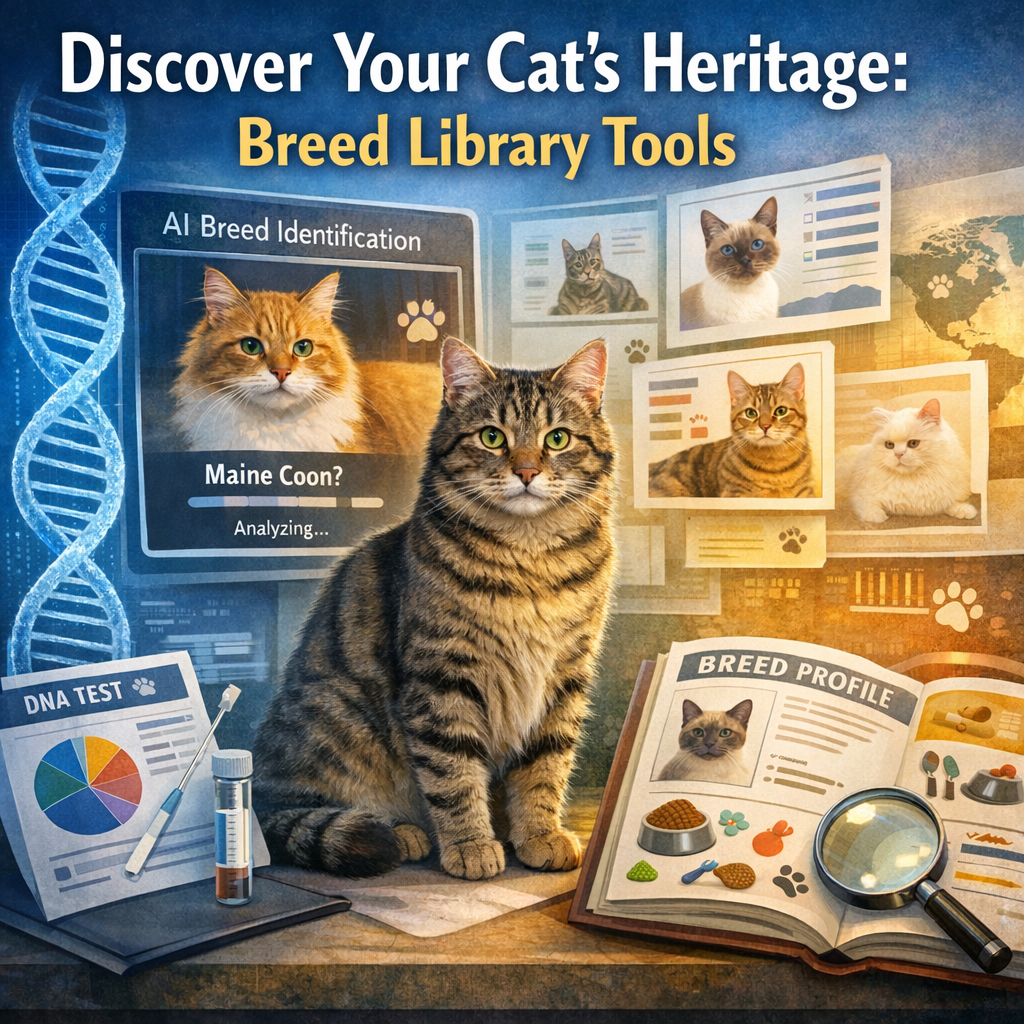
- The content explains tools and databases for uncovering a cat’s heritage, including AI breed identifiers, genetic testing, and comprehensive breed profiles to inform care, nutrition, grooming, and enrichment.
- It emphasizes building a personal cat library to save scans, track identifications, and organize by themes (educational, care, entertainment).
- Practical guidance covers using photos for identification, verifying results with trusted registries, and integrating heritage insights into product choices and educational activities.
Table of Contents
Discover Your Cat’s Heritage with Breed Library Tools
You’re about to explore a spectrum of feline backstories. From AI powered breed recognition to DNA insights, these tools help you understand your cat’s heritage, traits, and care needs.
Begin with quick identifications using AI cat recognition. Apps like Catium and Catly can identify over 100 breeds from a single photo, offering breed profiles, temperament notes, and an identification history you can revisit. For a deeper understanding, explore breed names, typical traits, and historical context to anticipate what each lineage may bring.
Real world tip: capture the cat from multiple angles in good light and include shots of the tail and paws for more accurate results. Use the results as a starting point, then confirm with a veterinary evaluation if you’re considering a breed specific diet or preventive care plan.
Next, consider genetic testing to reveal breed composition and health insights. DNA tests analyze breed makeup and key health markers, helping you understand unique feline characteristics and care requirements. Modern tests cover a broad range of breeds, giving you a clear view of how genetics shape your cat’s traits and needs. Expect results within 2 to 4 weeks and look for reports that include breed percentages, trait notes, and potential health flags.
Practical steps: choose a reputable test kit, collect a clean cheek swab as instructed, and register the sample online. If you have mixed heritage cats, use the health section to tailor screenings for conditions common in suspected lineages.
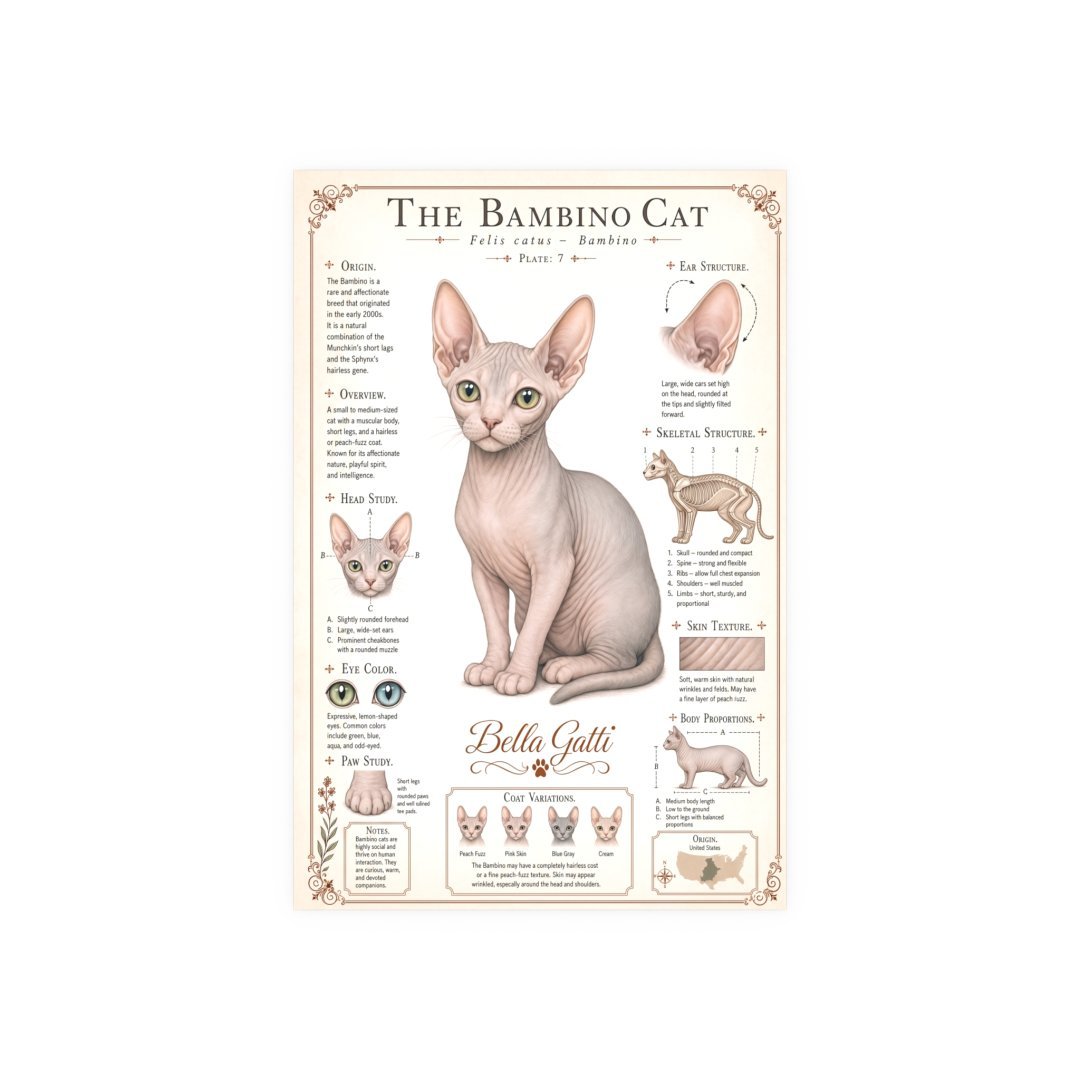
As you browse, pay attention to breed profiles. These resources summarize history, temperament, physical traits, and care guidelines for popular breeds such as Siamese, Maine Coon, and Persian. Profiles also highlight distinctive features like coat length, color patterns, eye color, and any notable traits such as polydactylism or specific tail types.
In Bella Gatti US Shop you’ll find curated profiles that emphasize practical care, including grooming schedules for longhaired breeds and nutrition notes aligned with typical activity levels and body size.
With breed recognition and genetic insights, you can build a clearer picture of your cat’s identity, care, and life plan. Whether you’re cataloging a purebred pedigree cat or simply curious about breed history, these tools offer practical guidance for nutrition, grooming, exercise, and lifespan insights.
Introduction
Purpose of the Breed Library Tools
These tools help you uncover a cat’s heritage with clarity and ease. By combining AI recognition, trusted databases, and practical care insights, you get a fuller picture of a breed’s history and typical traits.
Think of it as a guided toolkit for curious cat lovers. You’ll see how a cat fits into broader breed profiles and how that history influences today’s care and personalities.
How cat heritage enhances fan and collector understanding
Heritage adds depth to every cat themed product you love. Knowing a breed’s origin, temperament, and care needs informs why certain designs click with you and your crowd.
-
-
- Identify connections between cat photos and breed names to enrich catalog exploration with real examples, such as mapping a Maine Coon silhouette to its long coat care tips.
- Link traits to product suggestions, from playful to sophisticated styles, using data like preferred grooming routines and lifespan ranges.
- Build a personal library that maps breed stories to your collection goals, including timeline notes and notable historical milestones.
At Bella Gatti US Shop, we value accuracy and thoughtful storytelling. Our approach blends reputable breed insights with the everyday wearability you expect from our Adult Unisex Graphic T-shirts. The result is a smarter, more enjoyable way to shop cat inspired apparel.
1. Breed Identifier Apps for Cats
Key features of popular cat breed identifier apps
Brand name apps offer quick insights from a photo or short video. Look for AI cat recognition, confidence scores, and a library of breed profiles.
-
-
- Instant cat breed detection with multiple confident suggestions
- Visual galleries showing distinguishing traits and common color variations
- Identification history to save past scans for quick reference
- Educational content tied to each breed profile, including temperament and care tips
Some tools provide breed names in multiple languages and cross-reference with global registries to improve accuracy.
How to use photo-based identification effectively
Capture clear, well-lit images of the cat’s head, body posture, and notable markings. Include a close-up of the face and a full-body shot when possible.
-
-
- Upload high-resolution photos from different angles for better matching
- Avoid cluttered backgrounds that can confuse the algorithm
- Review confidence levels and corroborate with breed profiles from trusted databases
- Use the identification history to observe consistency across scans
Practical steps to verify results
Cross-check the app’s top matches with established registries before acting on the findings.
-
-
- Open the breed profiles in the app and compare markings to your cat’s actual features
- Check for consistency by scanning again after grooming or a weight change, then compare results
- Refer to breed standards from reputable sources such as CFA or TICA for confirmation
Table: comparison of popular cat breed identifier apps
| App |
Core feature |
Strength |
Limitations |
| Catium |
Photo-based breed ID with multiple suggestions |
Fast results and broad breed coverage |
Reliability varies with lighting and angles |
| Basepaws Cat Breed Identifier |
AI-driven identification plus trait insights |
Detailed breed profiles and history |
Limited offline access in some regions |
| Wisdom Panel library interface |
Extensive breed library and terminology |
Strong reference material for education |
Primarily designed for dogs; cat coverage is growing |
Beyond identification: why breed databases matter
AI driven cat breed recognition tools sit at the crossroads of technology and pet care. They provide breed profiles that cover history, temperament, physical traits, and care needs, helping you tailor nutrition tips, grooming tips, and exercise tips to your cat’s likely heritage. Look for apps linked to trusted breed standards and registries to ensure you’re accessing accurate information.
Key entities you may encounter
Popular tools you’ll see include Catium and the Wisdom Panel library interface. While Cat Breed Identifier tools are useful, always corroborate findings with established registries like FIFe, TICA, and CFA to build a reliable identification history and pedigree context. For Bella Gatti US Shop shoppers, pairing an identifier with a vetted registry check can streamline selecting breed-informed products and care guides.
2. Comprehensive Cat Breed Databases
What makes a reliable breed database
A solid breed database blends cross verified sources, standardized terminology, and regular updates. Look for entries that cite official registries and expert breed clubs. For example, Bella Gatti US Shop uses databases that cross reference AKC and FCI listings to reduce confusion.
-
-
- Clear breed definitions with consistent naming conventions
- Historical context and lineage notes backed by registries
- Images showing typical and variant appearances across generations
- Health considerations commonly associated with each breed
How to navigate breed profiles and terminology
Profiles should be organized around core facts you can compare at a glance. Quickly parse origins, temperament cues, and care needs. When evaluating a profile, verify the official name against registration bodies before relying on it for purchasing or breeding decisions.
-
-
- Use a consistent glossary for terms like coat length, aloofness, and exercise needs
- Check sections for history, appearance, temperament, and care guidance
- Review breed profiles in a side by side table to spot key differences
- Cross reference with registration bodies to verify official names and categories
Comparison snapshot
| Database |
Strength |
Notable focus |
Potential limitation |
| Wisdom Panel |
Extensive breed library, clear terminology |
Educational content and breed histories |
May emphasize certain regions or registries |
| TICA |
Official breed standards alignment |
Recognition of pedigreed breeds and rare varieties |
Less emphasis on health guides in some profiles |
| FIFe |
Global breed naming consistency |
International classification and lineage notes |
Profile depth can vary by breed |
3. Breed Profiles: Traits, Temperament, and Care
Typical physical traits by breed
Breed profiles provide baseline details you can verify when adopting or shopping. Use them to gauge how well a cat’s needs align with your living space and routine.
-
-
- Coat characteristics such as length, texture, and grooming needs with practical timelines (for example, weekly brushing for medium length coats).
- Head shape, eye color, and muzzle type that help distinguish similar breeds in real life shelters and shows.
- Size range and typical adult weights to assess housing and exercise requirements.
Temperament, care needs, and health considerations
Profiles translate traits into actionable routines you can implement from day one. Plan your schedule around expected energy levels and grooming demands.
-
-
- Common personality traits like sociability, playfulness, and independence with example daily rhythms for high versus low energy breeds.
- Nutrition, grooming, and exercise requirements tailored to the breed, including target weekly playtime and brushing frequency.
- Health considerations and screening priorities relevant to the lineage, plus vet check intervals and ages to start specific tests.
Leveraging AI and DNA insights for deeper understanding
AI and genetic results add context beyond appearance. You may see breed suggestions with confidence scores, estimated composition, and flagged health risks from genetic panels used by Bella Gatti US Shop.
How to use breed profiles for real world decisions
Compare contenders side by side, estimate long term costs, and plan nutrition, grooming, and enrichment. For precision, reference the identification history and trait notes when choosing a pet or sourcing from a shelter.
4. Building a Personal Cat Library
Saving scans and creating breed collections
Capture and store breed identifications to build a private archive you can reference later. Each scan includes a timestamp and a confidence level to help you track accuracy over time.
Organize scans into collections that reflect your interests or projects. A well maintained library makes it easier to compare traits, revisit past identifications, and share insights with fellow enthusiasts when needed.
Organizing by theme and usage (educational, entertaining, care)
Set up thematic folders to match your goals. Examples include educational material, lighthearted entertainment, and practical care guides informed by breed tendencies.
-
-
- Educational: breed histories, verified traits, and registry notes
- Entertaining: curated photos, fun facts, and quizzes
- Care: grooming schedules, feeding tips, and exercise recommendations aligned with breed profiles
For a lasting record, pair each scan with the corresponding photo, date, and notes about the cat’s appearance at the moment. This practice supports accurate identification history as you expand your collection.
5. Educational Tools and Quizzes
Interactive quizzes to test breed recognition
Quizzes provide a practical way to sharpen your cat breed identification skills. They use real photo sets and annotated hints to highlight distinguishing features. You’ll receive instant feedback and guidance on areas to review.
-
-
- Photo prompts from diverse cat breeds, including rare varieties
- Confidence scores after each answer to guide study focus
- Progress tracking to measure improvement over time
Using quizzes for learning and engagement
Quizzes complement broader breed profiles by reinforcing terminology and typical traits. They work well for study sessions, club activities, or shelter training programs.
-
-
- Pair quizzes with breed profiles to reinforce context
- Use heat maps of frequently mistaken breeds to target gaps
- Rotate topics to cover history, temperament, and care across breeds
6. Integrating Heritage with Product Interests
Aligning breed insights with cat themed apparel and nature focused themes
Translate breed profiles into design prompts that reflect real traits without turning promotional. Use practical cues like coat colors, patterns, and temperament as storytelling anchors for apparel and home goods. For example, a longer coat texture can inspire layered textures in a piece, while a calm disposition informs relaxed silhouettes.
Pair heritage details with material choices that suit care routines. Consider fabrics that are easy to maintain for certain coat types and everyday wear that aligns with typical activity levels. Use care guidance to enhance value, such as suggesting simple grooming tips that accompany relevant items.
Curating collections that resonate with Bella Gatti shoppers
Develop themed assortments built around lineage stories, notable traits, and practical care notes. This approach helps shoppers connect with items beyond aesthetics and fosters a meaningful shopping experience.
-
-
- Heritage inspired prints drawn from coat patterns
- Care bundles that reflect grooming and feeding practices
- Educational mini trunks featuring breed profiles and keepsakes
FAQ
Below you’ll find concise answers to common questions about using breed library tools to learn your cat’s heritage.
What is a cat breed identifier and how reliable is it?
A cat breed identifier uses AI to compare a photo against a library of breed profiles. Reliability varies by tool and image quality, but many offer confidence scores and multiple breed suggestions to help you verify results.
Practical tip: use sharp, well lit photos from multiple angles and compare the top three results to avoid chasing a single misidentification.
Which sources provide reputable breed databases?
Look for established registries and laboratories that publish breed profiles and health considerations. Reputable options include libraries maintained by recognized cat breed organizations and genetics labs.
Action to take: verify citations within the app and cross-check with Bella Gatti US Shop’s recommended resources for breed context and care guidance.
How do I interpret a breed discovery from an app?
Review the listed breed names, confidence levels, and the associated trait notes. Cross-check with physical traits you observe and consult breed profiles for context on temperament and care needs.
What to watch for: a high confidence score for a common coat color may still be misleading if ears or tail shape differ.
Can DNA testing supplement photo-based identification?
Yes. DNA tests add a genetic perspective that confirms lineage and reveals hidden ancestry, breed blends, and potential health markers not visible in photos alone.
Edge case: some mixed breeds may show low-resolution results; pair DNA insights with phenotype notes for a fuller picture.
What should I do with results at home?
Save scans to a personal collection, compare findings across different tools, and organize by themes such as care tips or educational notes to build a searchable heritage archive.
Implementation tip: create a simple folder system and tag entries by traits like activity level, grooming needs, and hypothesized breed blends to quickly reference later.
Expert Insight
“Para confirmar identidades de razas felinas, a apresentação visual debe combinar fotos claras con un conjunto fiable de rasgos y, cuando sea posible, comparación con bases de datos reconocidas; la verificación adicional mediante análisis genético puede complementar la identificación basada en imágenes para una precisión más robusta.” , Analista de la industria
Conclusion
Understanding your cat’s heritage with breed library tools turns photos and data into clear, actionable insights. You gain a practical map of where a cat comes from and how those origins influence care and daily routines.
Pairing AI powered identification with trusted breed databases offers a layered view of a cat’s history. This approach supports accurate recognition, nuanced trait interpretation, and informed care decisions.
-
-
- Identify breed cues quickly with AI powered tools and verify results across sources.
- Consult comprehensive breed profiles to connect physical traits with temperament and care needs.
- Save discoveries to a personal library for ongoing learning and reference.
When heritage insights align with our nature and cat themed collections, you can create meaningful shopping journeys. The aim is to pair knowledge with style in a way that resonates with your interests and daily routines.