
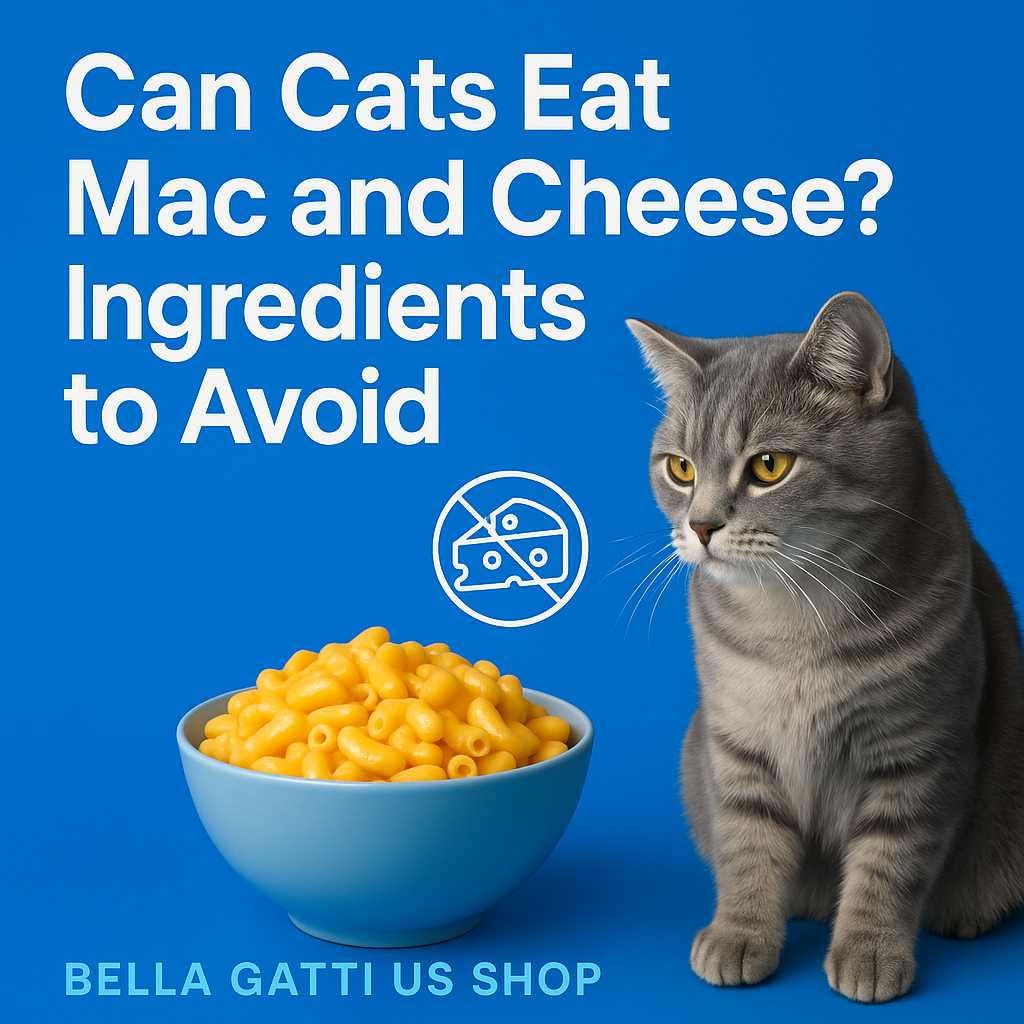
– Lactose intolerance is common in adult cats; dairy can cause GI issues; if dairy is given at all, do so sparingly and monitor for symptoms.
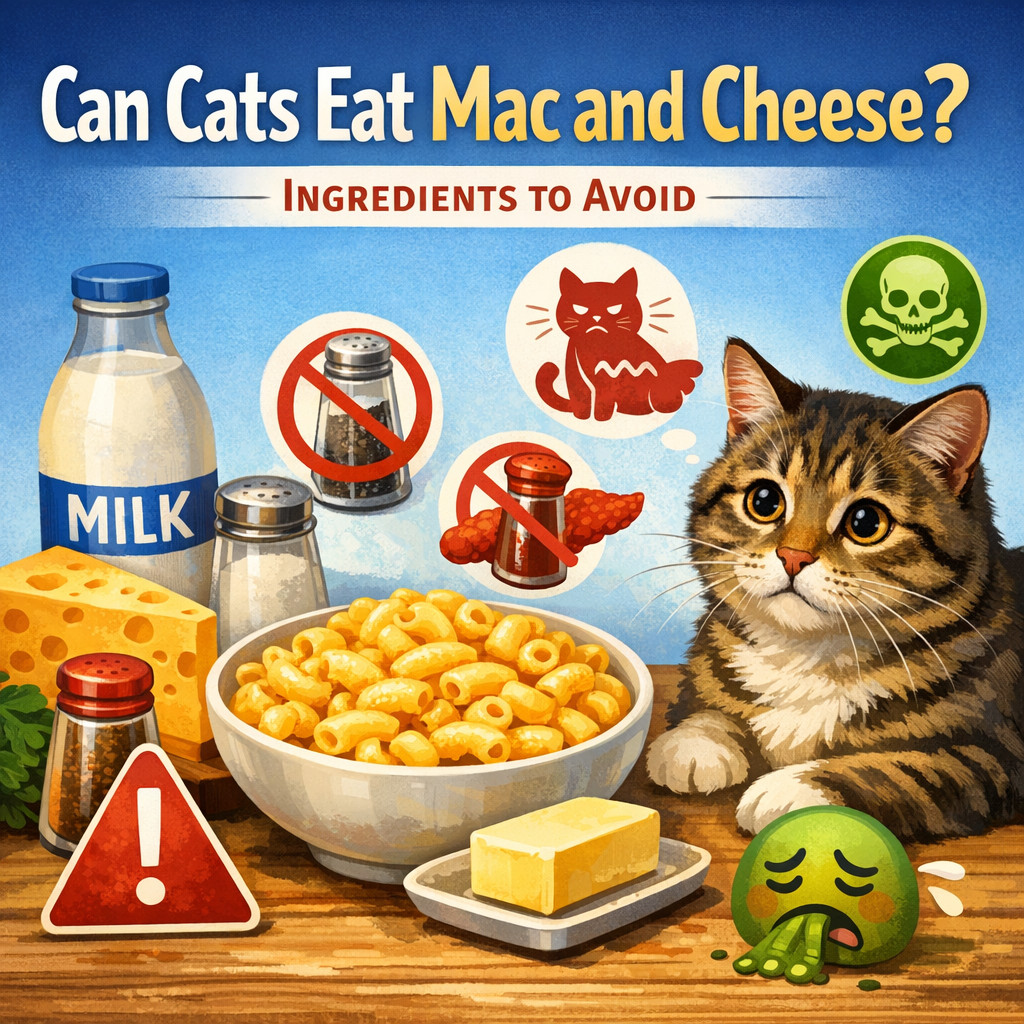
-Avoid garlic, onions, chives, nutmeg, and other seasonings in mac and cheese, as they can be toxic or irritating to cats.
-Safer options include cat-approved treats and protein-rich, low-sodium foods; keep human foods out of reach to prevent temptation and risk.
Table of Contents
- Introduction
- 1. Lactose Intolerance: How Dairy in Mac and Cheese Affects Cats
- 2. Fat Content and Pancreatitis Risk in Mac and Cheese
- 3. Salt and Seasonings: Hidden Dangers in Mac and Cheese
- 4. Cheese Types: Which Are Safer or Riskier for Cats
- 6. Safer Treat Alternatives for Cats
- FAQ
- Conclusion
Expert Insight
“Garlic contains compounds that are toxic to cats, potentially causing hemolytic anemia. Immediate veterinary attention is crucial if symptoms appear.” , Veterinary Expert
Introduction
At Bella Gatti US Shop, cat care means understanding what your feline friend can safely eat. Mac and cheese may tempt, but it isn’t always friendly to a cat’s gut or overall health.
This guide cuts through the fluff to explain why mac and cheese can pose risks for cats and what to watch for. You’ll learn which ingredients to avoid, why dairy can upset digestion, and how to steer your cat toward safer options. Practical, vet-informed guidance is the aim here.
You’ll find essentials for cat safety, including lactose intolerance, fat and salt content, and potentially harmful seasonings. Clear pointers on vet-approved considerations and better treat options for your furry companion are included. human foods like chocolate, onions/garlic, alcohol, grapes/raisins, or dairy.
Expert Insight
“Most adult cats are lactose intolerant; dairy can upset digestion and should be offered only as a rare, carefully monitored treat, if at all.” , Veterinary Nutrition Expert
1. Lactose Intolerance: How Dairy in Mac and Cheese Affects Cats
Lactose intolerance is common in cats. Their bodies often lack the enzymes needed to fully digest lactose found in dairy products. When dairy is eaten, you may see stomach upset or comfort issues. This is a key reason many vets advise avoiding dairy in cat diets.
What lactose intolerance is and why it matters for cats
Lactose intolerance means the small intestine cannot efficiently break down lactose sugar. Undigested lactose passes into the colon, where gut bacteria ferment it. The result can be gas, bloating, and diarrhea. In cats, repeated exposure can lead to irregular bowel movements and discomfort. Always treat dairy cautiously and observe your cat’s reaction.
Common dairy ingredients in mac and cheese to watch for
- Milk and cream in sauces that can deliver lactose in noticeable amounts
- Butter or margarine as part of a rich, fatty base
- Cheese varieties that may add extra lactose or fat
Expert Insight
“Like all infant mammals, kittens are born able to digest the main sugar in milk, lactose. This sugar is a very valuable source of energy for young animals, but soon after they are weaned, the enzyme that enables them to digest it, lactase, begins to disappear from the gut. When an adult cat drinks milk, the indigestible lactose in its gut may start to ferment, causing a stomach upset.” , Industry Expert
2. Fat Content and Pancreatitis Risk in Mac and Cheese
Mac and cheese can be very high in fat due to butter, cream, and full fat cheese. A cat’s digestive system isn’t built to handle large amounts of fat in one sitting. Even if your cat tolerates dairy sometimes, the rich sauce can cause discomfort or more serious issues.
How high fat dairy and buttery sauces can impact a cat’s digestion
- Excess fat can lead to upset stomach, vomiting, or loose stools in many cats.
- Repeated exposure may contribute to weight gain and digestive stress over time.
- Premium sauces with rich creams intensify the fat load beyond typical cat meals.
Signs of pancreatitis to monitor after ingestion
- Persistent vomiting or repeated abdominal pain
- Lethargy, reduced appetite, or reluctance to move
- Fever or dehydration, plus a tense or tender abdomen
3. Salt and Seasonings: Hidden Dangers in Mac and Cheese
Salt shows up in many mac and cheese recipes, but cats need far less sodium than people. A high-sodium serving can trigger thirst, urination changes, and dehydration, and in severe cases salt toxicity requires urgent veterinary care.
Seasonings and additives add even more risk. Some flavor enhancers are not safe for felines, and certain herbs and spices can irritate the gut or lead to bigger problems. It’s best to treat mac and cheese as a human dish and avoid sharing it with your cat.
Why high salt can be problematic for felines
- Excess salt makes cats drink and urinate more, which can strain kidneys over time.
- Very high sodium intake can lead to salt toxicity, a medical emergency requiring veterinary care.
- Even moderate amounts may cause GI upset in sensitive cats.
Herbs and additives to avoid (garlic, onions, nutmeg, etc.)
- Garlic and onions in any form damage red blood cells and raise the risk of anemia.
- Chives, scallions, and related alliums carry similar toxicity concerns.
- Nutmeg and some spice blends may irritate the stomach or cause adverse reactions.
- Herbs with strong scents or oils should be avoided unless a veterinarian approves.
4. Cheese Types: Which Are Safer or Riskier for Cats
Cheese is not a health staple for cats, but some cats may tolerate tiny amounts. The key is understanding how different cheese types affect digestion, salt intake, and overall cat safety. Always watch your cat’s response and consult a vet if you’re unsure.
Is plain cheese ever safe in small amounts?
Plain cheese can be safer in very small portions for cats that tolerate dairy. Opt for low-lactose options and offer only a tiny bite to test tolerance. Even then, it should be occasional and not a regular treat.
Why processed cheese sauces are more concerning
- Processed sauces often contain added salt, fats, and flavor enhancers that can upset digestion.
- Preservatives or hidden ingredients may pose unexpected risks for sensitive stomachs.
- Cheese, butter, and seasonings together raise the chances of GI upset and unnecessary weight gain over time.
| Cheese Type | Potential Risk | Recommended Use |
|---|---|---|
| Plain cheese | Low-lactose options may be tolerated by some cats | Use sparingly as a trial |
| Processed cheese sauces | High salt and fat, additives | Avoid |
6. Safer Treat Alternatives for Cats
Cat approved snack options that satisfy cravings without dairy
Offer cat-friendly snacks that support digestion and energy without dairy. Choose products with single protein sources and minimal additives.
- Small, protein rich treats approved for cats
- Expressly formulated cat treats with single protein sources
- Healthy dental chews that support oral care
Homemade cat friendly meal ideas
Create simple meals that emphasize moisture, lean protein, and safety. Use ingredients cats naturally tolerate and avoid seasoning or salt.
- Steamed plain chicken or turkey, chopped into bite sized pieces
- Flaked fish baked without added salt or seasonings
- Small portions of cooked egg as an occasional protein boost
FAQ
You may have questions about feeding mac and cheese to cats. Here are concise, vet-informed answers focused on cat nutrition and safety.
- Can cats eat mac and cheese? In general, it is not recommended. Dairy and high fat content can upset digestion and contribute to weight gain when fed regularly.
- Is lactose free cheese safe for cats? Some cats tolerate small amounts of dairy, but lactose free options are not guaranteed to be safe for all. Watch for GI signs such as vomiting or diarrhea.
- What signs indicate a negative reaction? Look for vomiting, diarrhea, abdominal pain, or lethargy after tasting or ingestion. If you notice these symptoms, contact your vet.
Table: Common ingredients and cat safety
| Ingredient | Cat Safety | Notes |
|---|---|---|
| Dairy in general | Variable | Many cats are lactose intolerant; small amounts may cause GI upset. |
| Butter and high-fat sauces | Low to moderate risk | May trigger pancreatitis in sensitive cats. |
| Salt and seasonings | High risk | Excess sodium can affect kidneys and hydration. |
| Garlic, onions, chives | High risk | Alliums can damage red blood cells and cause anemia. |
- What should you do if your cat eats mac and cheese? Stop feeding more, monitor for symptoms, and contact a vet if symptoms appear or persist.
- Are there safer alternatives? Yes, opt for cat approved snacks or protein-rich treats formulated for feline digestion.
Conclusion
Mac and cheese is not a cat friendly staple. The combination of dairy, fat, and salt can disrupt digestion and raise safety concerns for many felines.
If your cat shows any GI upset after tasting dairy or human food for cats, consult a veterinarian for tailored guidance.
- Choose cat safe treats: options formulated for feline digestion
- Avoid dairy heavy dishes and high fat sauces as routine fare
- Keep human foods out of reach to reduce temptation and risk
For ongoing pet health, monitor appetite, stool consistency, and energy levels. A proactive approach supports cat safety and overall well being.