

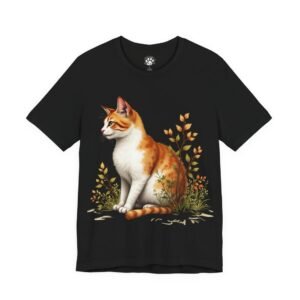



7 Pro Tips to Earn a Scared Kitten’s Trust

- Prioritize Health & Safety: First, rule out medical issues with a vet visit. Then, identify and remove environmental triggers, and always provide a safe, quiet space for your kitten to retreat.
- Practice Patience & Respect: Use a slow, gentle approach, avoid forcing interactions, and respect their personal space. The “slow blink” is a key non-threatening communication tool.
- Build Positive Associations: Consistently offer high-value treats and engage in gentle, interactive play (from a distance) to create positive experiences with your presence.
- Consistency is Crucial: Building trust is a marathon, not a sprint. Maintain a consistent routine and be endlessly patient, as progress can vary greatly among fearful kittens.
Table of Contents
- Rule Out Medical Mayhem First
- Deciphering Their Past: Trauma and Triggers
- The Art of Personal Space and Patience
- The Slow Blink is Your Superpower
- Stealthy Treat Delivery and Playtime Missions
- Consistency is Key, Agent: Operation Trust is a Marathon, Not a Sprint
- Know Their Language: Cat Body Language 101
- Operation Trust: Your Toolkit for Earning Feline Trust
- Environmental Enrichment for Feline Trust
- The Role of Pheromone Triggers and Holistic Healthcare
- Frequently Asked Questions
- What if my kitten is still hissing and swatting?
- How long does it take for a scared kitten to trust you?
- Can I use different types of food to encourage trust?
- Should I Try to Pick Up a Scared Kitten?
- What if I have other pets in the house?
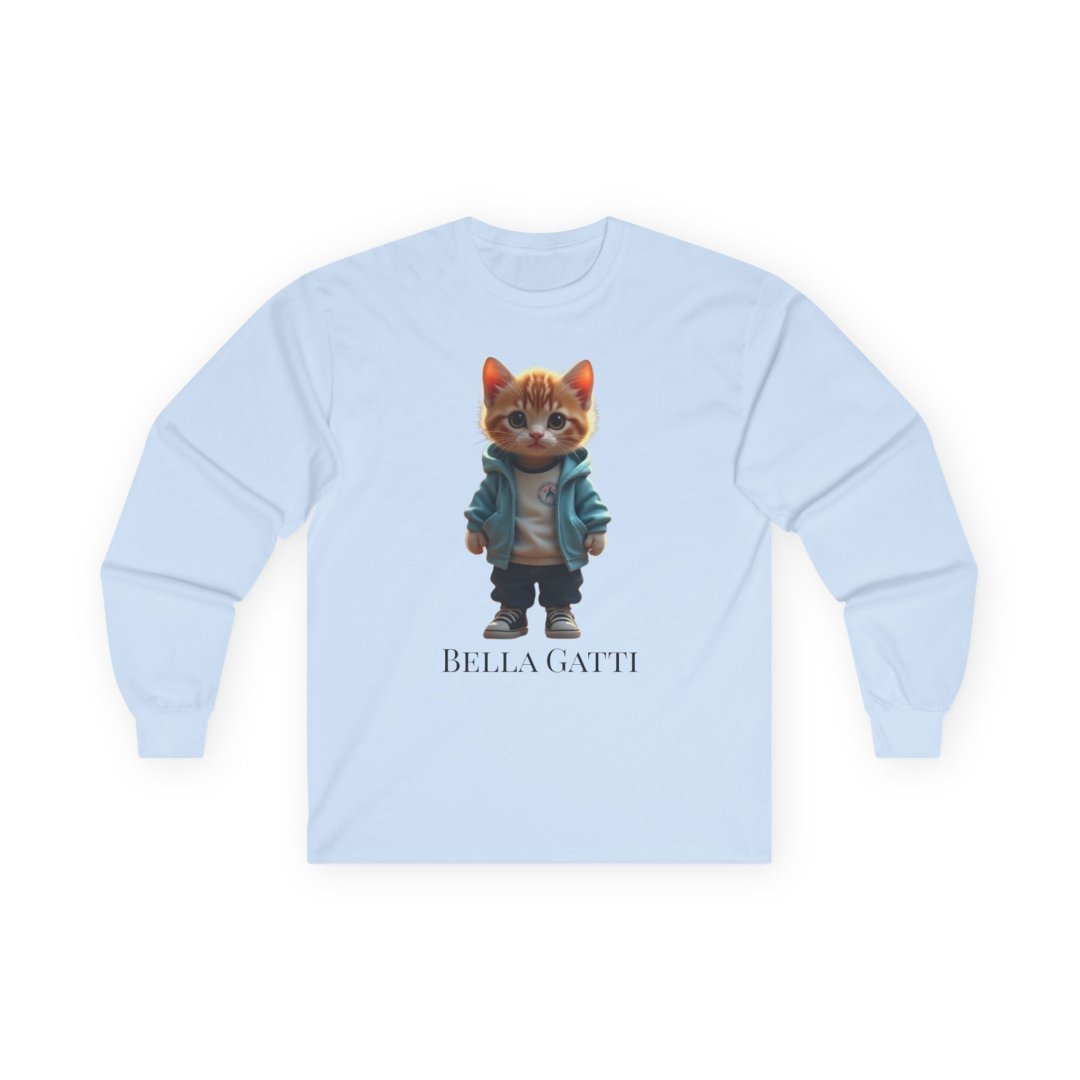
Bringing a new kitten home is a joy, but sometimes, you might find yourself with a tiny, fearful kitten. It’s like trying to convince a secret agent to share their intel; it takes a delicate touch and a whole lot of patience. This guide, “Operation Trust,” is your go-to manual for transforming a scared cat into a purring, affectionate companion. We’re talking about building feline trust, one slow blink at a time. And yes, you’ll want to be comfy, perhaps in a Bella Gatti Unisex Soft Cotton Tee, for maximum stealth mode bonding.
Rule Out Medical Mayhem First
Before you dive into full-blown trust-building exercises, it’s crucial to play detective and rule out any underlying medical causes for your fearful kitten’s behavior. Sometimes, what looks like shyness is actually discomfort or cat stress. According to research from SAGE Journals, behavioral changes can signal health issues, discomfort, or stress. A quick trip to the veterinarian for a comprehensive veterinary consultation is your first mission objective for any scared cat.
During your veterinary consultation, be sure to mention any changes in cat behavior or litter habits. Your vet can run tests to ensure there are no hidden health problems making your kitten feel less than purr-fect. This step, crucial for Feline Behavior Modification, is non-negotiable for identifying underlying medical causes and ensuring your kitten’s overall cat health before beginning Positive Reinforcement Training.
Deciphering Their Past: Trauma and Triggers
Understanding what might have caused your kitten’s fearfulness is like reading their secret origin story. Was there a past trauma? Environmental changes? Identifying these cat triggers can help you create a stress-free environment. A fearful kitten might be reacting to loud noises, new smells, or even just the sheer novelty of a new home. Removing these triggers is key to reducing cat stress.
Think about their journey before they came to you. Did they come from a busy shelter, a multi-cat household, or were they fostering cats in a less-than-ideal situation? These factors greatly influence their initial cat behavior and how quickly they adjust to cat socialization. Your goal is to be a calm, reassuring presence, not another source of anxiety reduction.
The Art of Personal Space and Patience
This is where your Bella Gatti Unisex Soft Cotton Tee comes in handy, especially if it’s one of our funny slogan t-shirts, because you’ll be spending a lot of time on the floor. Respecting your kitten’s personal space and allowing them ample adjustment time is paramount. Forcing interaction can actually increase fear, making your mission harder. Imagine you’re trying to befriend a tiny, furry ninja; you wouldn’t just rush in, would you?
Respect Personal Space and Allow Adjustment Time
Giving a scared cat or fearful kitten their own space and time to acclimate allows them to feel secure. This is a critical step in building feline trust. Forcing interaction, as research from the American Veterinary Society of Animal Behavior highlights, can significantly increase cat stress and fear, making the process of gaining cat trust much longer. Patience is truly your superpower here.
Create a safe, quiet space for the kitten, a little sanctuary where they can retreat and feel secure. Think cozy beds, a Litter-Robot 4 for easy access, and a quiet corner. Let them approach you on their own terms. Sit quietly, read a book, or scroll through The Purring Journal. Your calm presence is a silent invitation, not a command. This approach helps reduce cat hiding and encourages cat communication on their terms.
Expert Insight
“Respecting a cat’s personal space and allowing them to initiate contact without force is one of the most meaningful ways to build trust and emotional stability, as forcing interaction can backfire and increase their fear.” – Pam Johnson-Bennett, Cat Behavior Expert & Veterinarian Consensus
The Slow Blink is Your Superpower
Now, for some actual interaction, but on their terms. Approach a frightened kitten gradually. Sit quietly on the floor, ideally wearing something comfortable like our Unisex Soft Cotton Tee. Avoid sudden movements or loud noises. The slow blink is a universal sign of feline trust. Try it: slowly close and open your eyes. If your kitten returns it, you are making progress! It is a form of cat communication that speaks volumes, helping you earn cat trust.
Gentle, soft vocalizations can also help a scared cat feel more at ease. Think soothing whispers, not booming pronouncements. Remember, you are aiming for positive reinforcement training, not a military drill. This slow and gentle approach helps them feel safe and encourages them to gain cat trust, significantly reducing cat stress and improving their overall cat health.
Stealthy Treat Delivery and Playtime Missions
Okay, secret agent, let’s talk about the universal language of love: food. Even the most introverted feline spies can be swayed by a tasty bribe. We’re talking about using food treats, like Purina Fancy Feast, to kickstart the trust-building process. The trick here is the art of stealthy treat delivery. Place a delicious morsel nearby and then gracefully retreat, allowing your tiny operative to enjoy their snack without feeling like they’re under surveillance. This subtle move helps them associate your presence with positive experiences, a cornerstone of earning cat trust.
Purina Fancy Feast: The Ultimate Icebreaker for Fearful Kittens
When dealing with a scared cat, consistency is key. Regularly offering high-value treats like Purina Fancy Feast can significantly reduce cat stress and promote feline trust. Remember, patience is your best friend when fostering cats. This low-pressure approach is a critical step in their cat socialization journey, especially for shy cat individuals or those exhibiting cat hiding behaviors due to past trauma.
The Playtime Mission: Engaging a Shy Cat
Once your fearful kitten shows the slightest hint of comfort, it’s time to introduce play. A feather wand or a laser pointer can be a fantastic way to engage them from a safe distance, preventing any cat triggers that might lead to hissing or swatting. Play isn’t just fun; it’s a powerful anxiety reduction tool and a vital component of Environmental Enrichment. Just ensure it’s always on their terms. No forced fun, please! This positive reinforcement training helps them build confidence and strengthens your bond, turning those initial scared cat moments into cherished memories.
Patience and Consistency: The Pillars of Feline Trust
Building trust with a scared kitten is a marathon, not a sprint. Consistent, gentle interactions, coupled with ample patience, are essential. Every positive experience, whether it’s a stealthy treat delivery or a playful session, contributes to their overall sense of security and helps reduce cat stress. Remember, trust development varies greatly among kittens, especially those with potential underlying medical causes for their fearfulness, so a Veterinary Consultation is always a good idea if you suspect something more serious is at play.
Expert Insight
“Patience is paramount when socializing shy or traumatized cats; trust is earned through consistent, gentle interactions and respecting their pace.” – Feline Behaviour Specialist
Consistency is Key, Agent: Operation Trust is a Marathon, Not a Sprint
Okay, secret agent, building trust with a scared cat is not a one-and-done mission. It’s an ongoing operation that demands consistency in your interactions. Think of it as a long-term investment in feline happiness, much like choosing a quality Bella Gatti Unisex Soft Cotton Tee for maximum comfort during your covert bonding sessions. Predictability helps reduce cat stress and builds confidence in fearful kittens.
Be Patient and Consistent: The Long Game of Feline Trust
Repeat positive experiences often. The more your fearful kitten associates you with good things, the more secure they will feel. This might take weeks, even months, but the reward of a purring, loving companion is worth every moment. Consistent interactions, along with patience, are essential, as trust development varies greatly among individuals. Repeated positive experiences, like gentle play sessions or offering Purina Fancy Feast, help a scared cat feel more secure over time. Think of it as positive reinforcement training for even the shyest cat behavior.
Rule Out Medical Causes: A Vet Visit for Your Shy Cat
Before you dive deep into behavior modification, it’s crucial to rule out any underlying medical causes for your scared cat’s behavior. Competitors emphasize that behavioral changes in scared kittens often indicate underlying health issues. A veterinary consultation is a critical first step. Consulting a veterinarian and running tests can identify medical causes for fearfulness, ensuring your kitten’s fear isn’t a symptom of something more serious, impacting their cat health. This proactive step is recommended by the American Veterinary Society of Animal Behavior.
Identify Past Trauma and Environmental Triggers: Decoding Cat Communication
Understanding possible traumatic experiences or environmental changes is crucial. These factors can cause fearfulness, and removing triggers helps reduce stress in kittens. Have there been recent household changes? Loud noises? Other pets? Observing cat body language can offer clues. For instance, constant hissing or swatting might indicate territorial aggression or a high level of cat stress. Creating a stress-free environment is paramount for effective feline trust building.
Respect Personal Space and Allow Adjustment Time: The Art of Retreat
Giving a scared kitten their own space and time to acclimate allows them to feel secure. Forcing interaction can increase fear, so patience is vital for trust-building. Remember, your goal is to gain cat trust, not to overwhelm. Provide a safe, quiet space for the kitten, maybe a cozy bed in a low-traffic area. This allows them to feel safe and encourages trust at their own pace. Don’t chase; let the kitten approach and initiate contact when they’re ready.
Use Slow and Gentle Approach: The Whisperer’s Way
Approaching a frightened kitten gradually, sitting quietly, and avoiding rushing interactions helps them feel safe and encourages trust. Sudden movements or forced contact can be counterproductive, leading to cat hiding or increased anxiety reduction. Think of yourself as a calm, predictable presence. Your goal is to be seen as a source of comfort, not a threat. This gentle approach is key to improving cat socialization and earning cat trust.
Offer Positive Reinforcement with Treats and Play: The Reward System
Reward positive behaviors with treats, gentle petting, or play. Research indicates this reinforcement helps kittens associate trust-building interactions with positive experiences. Delicious treats, like those from Only Natural Pet, can work wonders. Engaging them with interactive toys for short playtime missions also helps build a bond. Remember, positive reinforcement training is about making every interaction a good one, reducing cat triggers and fostering a loving relationship with your fearful kitten.
Expert Insight
“Positive reinforcement is the much-preferred way to help cats establish better habits in your home. It is fun to reward your cat for desirable behavior.” – Feline Behavior Solutions
Know Their Language: Cat Body Language 101
Understanding cat body language is your first step in “Operation Trust.” It’s like learning their secret code. Pay close attention to their ears, tail, and overall posture. A scared cat might flatten their ears, tuck their tail, or try cat hiding, all clear signs of fear or stress. If you see hissing, swatting, or a rigid posture, it’s their way of saying, “Back off, agent!” Respect their personal space immediately.
Rule Out Medical Causes: A Vet Visit is Your First Mission
Before you dive deep into cat socialization, it’s crucial to rule out any underlying medical causes for your kitten’s fearfulness. Behavioral changes, especially sudden ones, can often be indicators of health issues. A veterinary consultation is essential. Your vet can perform tests to ensure there aren’t any hidden problems contributing to your fearful kitten’s anxiety. Addressing cat health first can significantly improve their comfort and willingness to gain cat trust. Many top resources, including those found in The Purring Journal, emphasize this critical first step in kitten care.
Identify Past Trauma and Environment Triggers: Uncover the Origins of Fear
Once medical issues are ruled out, your next mission is to identify any past trauma or environmental triggers. A scared cat might be reacting to previous negative experiences or current stressors in their cat environment. Was the kitten rescued from a difficult situation? Did they experience sudden changes? Understanding these factors is crucial for reducing cat stress. For example, a loud noise or a sudden movement can be a significant trigger for a shy cat. Creating a stress-free environment by removing these triggers is key to building feline trust. Resources from the American Veterinary Society of Animal Behavior often highlight the impact of environmental enrichment on cat behavior.
Respect Personal Space and Allow Adjustment Time: The Art of Patience
For a fearful kitten, personal space is paramount. Forcing interaction will only increase their fear and make it harder to earn cat trust. Think of it as allowing them to acclimate to their new surroundings on their own terms. Provide a safe, quiet space where they can retreat, perhaps a cozy hideaway with a soft blanket. This gives them a sense of security. Patience is not just a virtue here; it’s a vital strategy for fostering cats successfully. As documented in SAGE Journals, allowing adjustment time significantly reduces anxiety reduction in new felines. Remember, you’re aiming for a long-term bond, not a quick fix.
Use a Slow and Gentle Approach: Stealth Mode Activated
When you do engage, adopt a slow and gentle approach. Sudden movements or loud noises can be highly counterproductive for a scared cat. Sit quietly on the floor, ideally wearing your most comfortable Bella Gatti Unisex Soft Cotton Tee for optimal ‘stealth mode’ bonding. Avoid direct eye contact initially, as this can be perceived as a threat. Let the kitten approach you and initiate contact when they’re ready. This gradual, non-threatening interaction helps them feel safe and encourages them to gain cat trust. This technique is often recommended by animal behaviorists and is a cornerstone of positive reinforcement training.
Offer Positive Reinforcement with Treats and Play: The Reward System
Once your fearful kitten starts to show signs of comfort, it’s time to introduce positive reinforcement. Reward any brave steps they take towards you with high-value treats (like Purina Fancy Feast or Purina ONE) or gentle play. This helps them associate your presence with positive experiences. A feather wand or a laser pointer can be great tools for incorporating play to bond, provided they don’t overstimulate your shy cat. This method is backed by extensive research, including studies published in Companion Animal Psychology, which show that positive reinforcement significantly aids in cat socialization and building feline trust.
Be Patient and Consistent: Operation Trust is a Marathon
Building trust with a scared cat is not a sprint; it’s a marathon. Consistency in your interactions and endless patience are essential. Each positive experience, no matter how small, contributes to their overall sense of security and helps them earn cat trust. Don’t get discouraged by setbacks; some days might feel like two steps forward, one step back. Keep providing a stress-free environment, respecting their boundaries, and offering gentle encouragement. This sustained effort, much like the commitment to excellent kitten care, will eventually transform your fearful kitten into a confident, affectionate companion. Think of it as a long-term investment in feline happiness, a core principle in Feline Behavior Modification.
Operation Trust: Your Toolkit for Earning Feline Trust
Alright, secret agent, now that you’re fluent in cat body language, let’s refine your “Operation Trust” strategy. Building trust with a scared cat or fearful kitten isn’t about grand gestures; it’s about subtle, consistent actions. Think of it as a delicate dance, where every step, or lack thereof, contributes to their sense of security. The goal is to transform that shy cat into a confident, purring companion.
Before we dive into the nitty-gritty, let’s equip you with a quick comparison table. This isn’t just about what to do, but also what to absolutely avoid. Remember, when it comes to feline trust, one wrong move can set you back significantly. Every interaction is a chance to either build rapport or inadvertently reinforce their cat stress.
Effective vs. Less Effective Trust-Building Techniques
Here’s your quick reference guide to making friends and influencing kittens:
| Effective Trust-Building | Less Effective (Avoid) |
|---|---|
| Slow Blinks (The ultimate feline peace offering) | Staring Directly (It’s a challenge, not an invitation!) |
| Quiet, Calm Presence (Become the zen master of the room) | Loud Noises, Sudden Movements (Hello, instant flight response!) |
| Gentle Treat Delivery (The art of the stealthy snack drop) | Forced Feeding (Never a good look, trust us) |
| Interactive Play (from a distance, like with a wand toy from Amazon) | Picking Up or Cuddling Against Will (Respect their boundaries!) |
| Designated Safe Space (Their personal sanctuary, perhaps with a Litter-Robot 4 nearby) | No Retreat Options (A recipe for cat anxiety) |
| Consistent Routine (Predictability breeds security) | Unpredictable Interactions (Keep them guessing, but not in a good way) |
| Patience and Time (Your most powerful weapons) | Rushing Interactions (Slow and steady wins the trust race) |
“Trust is built in drops and lost in buckets. With fearful kittens, every drop counts.” – The Purring Journal
Rule Out Medical Causes: A Critical First Step
Before you even begin “Operation Trust,” it’s absolutely crucial to rule out any underlying medical causes for your kitten’s fearful cat behavior. A scared cat might not just be shy; they could be in pain or experiencing discomfort. Competitors emphasize that behavioral changes in scared kittens often indicate underlying health issues. A veterinary consultation and running diagnostic tests can identify medical causes for fearfulness, such as dental problems, internal parasites, or other chronic conditions that contribute to cat stress. A healthy kitten is a happier, more receptive kitten, making feline trust-building much more effective. Always consult your vet to ensure your kitten is in tip-top cat health.
Identify Past Trauma and Environment Triggers: Understanding Their World
Understanding a fearful kitten’s history, even if it’s just a guess, can significantly impact your strategy. Competitors highlight that identifying possible traumatic experiences or environmental changes is crucial, as these factors can cause fearfulness. Was your kitten rescued from a difficult situation? Did they experience a sudden change in their cat environment? Loud noises, new people, or even the scent of another animal can be significant cat triggers. Removing these triggers helps reduce cat stress. Creating a stress-free environment, perhaps with a calming pheromone diffuser (like those recommended by veterinary consultation experts), can make a world of difference. Your goal is to make their new home a sanctuary, not another source of anxiety for your scared cat.
Respect Personal Space and Allow Adjustment Time: The Zen Approach
This is perhaps the most critical rule for building feline trust. Giving a scared cat their own space and time to acclimate allows them to feel secure. Think of it as respecting their personal bubble. Forcing interaction, such as immediately trying to pick them up or cuddle them, can increase fear and lead to behaviors like hissing or swatting. Patience is vital for trust-building. Provide a designated safe space, perhaps a cozy bed under a table or a cat tree from Amazon, where they can retreat and observe their surroundings without feeling threatened. This allows them to slowly process their new cat environment and gradually feel safe enough to explore and engage with you. Remember, a fearful kitten needs to feel secure before they can even consider trusting you.
Use a Slow and Gentle Approach: Become the Kitten Whisperer
Once you’ve established a safe space and respected their boundaries, it’s time to start gentle interactions. Approaching a frightened kitten gradually, sitting quietly on the floor, and avoiding rushing interactions helps them feel safe and encourages trust. Think of it as “stealth mode” bonding. Sudden movements, loud noises, or direct eye contact can be perceived as threats, leading to further cat stress or even cat hiding. Instead, sit a comfortable distance away, perhaps reading a book or scrolling on your phone, allowing the kitten to initiate contact. Use slow blinks (these are your superpower in cat communication). This calm, consistent presence is key to earning cat trust. For optimal ‘stealth mode’ bonding, consider wearing your most comfortable attire, like a Bella Gatti Unisex Soft Cotton Tee, for those long, slow sessions on the floor.
Offer Positive Reinforcement with Treats and Play: The Reward System
Once your shy cat starts to show even the slightest sign of curiosity, it’s time to introduce positive reinforcement. Reward positive behaviors, such as approaching you, making eye contact, or even just staying in the same room, with delicious treats (like those from Purina Fancy Feast) or gentle, non-contact play. Research indicates that this reinforcement helps kittens associate trust-building interactions with positive experiences. Use a long wand toy from Amazon to engage them from a distance, allowing them to play without feeling pressured. This type of positive reinforcement training is fundamental to cat socialization and builds a strong, positive association with your presence. Remember, the goal is to make every interaction a rewarding one for your fearful kitten.
Be Patient and Consistent: The Long Game of Trust
Building feline trust is not a sprint; it’s a marathon. Consistent interactions, along with boundless patience, are essential, as trust development varies greatly among individual kittens. Some scared cats might take days, others weeks, or even months, to fully open up. Repeated positive experiences help a scared kitten feel more secure over time. Don’t get discouraged by setbacks; a sudden loud noise might send them back into cat hiding, but consistency will ultimately prevail. Maintain a predictable routine for feeding, playtime, and quiet presence. This consistency in your animal behavior will slowly but surely chip away at their fear, transforming your fearful kitten into a cherished member of your family. Remember the words of The Purring Journal: every drop of trust counts.
Environmental Enrichment for Feline Trust
Creating a stimulating and safe cat environment is crucial for anxiety reduction and fostering feline trust. Think of it as setting up a cozy cat haven. Incorporate cat trees for vertical exploration, scratching posts for healthy claw maintenance, and puzzle feeders to engage their minds. These items provide mental stimulation and a vital sense of security for a fearful kitten. For those considering a safe outdoor space, Aivituvin offers some excellent cat enclosures. Indoors, a Smart Air Purifier With HEPA Filter can help maintain a clean, stress-free environment, contributing to overall cat health.
Don’t overlook their litter habits! A clean litter box with a preferred litter, like Dr. Elsey’s Ultra Unscented Clumping Clay Cat Litter, makes a significant difference. A pristine environment significantly contributes to cat health and overall well-being, helping to reduce cat stress and build trust.
The Role of Pheromone Triggers and Holistic Healthcare
Sometimes, even with the best intentions and a super comfy Bella Gatti Unisex Soft Cotton Tee, a scared cat might need a little extra nudge towards comfort. This is where pheromone triggers come into play. Available as diffusers or sprays, these clever little helpers mimic natural feline calming pheromones, creating a stress-free environment that tells your fearful kitten, “Hey, it’s safe here!” They can be particularly helpful for a shy cat adjusting to a new home, offering a subtle layer of reassurance during those initial, tricky days of cat adoption.
Rule Out Medical Causes for Fearful Behavior
Before diving deep into behavioral adjustments, a crucial first step in earning cat trust is to rule out any underlying medical causes for your kitten’s fearfulness. Competitors emphasize that sudden behavioral changes in scared kittens often indicate health issues. A visit to your veterinarian for a thorough check-up and necessary tests can identify if pain, discomfort, or other medical conditions are contributing to their anxiety. Addressing these physical ailments is paramount for your kitten’s overall cat health and can significantly improve their responsiveness to socialization efforts.
Identify Past Trauma and Environmental Triggers
Understanding a fearful kitten’s history, if possible, can shed light on their current behavior. Past trauma or significant environmental changes are often crucial factors causing fearfulness and cat stress. Removing or modifying these triggers helps reduce stress in kittens. For instance, a chaotic cat environment might be overwhelming, leading to cat hiding or even hissing and swatting. Creating a quiet, predictable space, as discussed by experts at Companion Animal Psychology, is vital for building feline trust.
Respect Personal Space and Allow Adjustment Time
Patience, patience, patience! Giving a scared cat their own space and ample time to acclimate is non-negotiable for gaining cat trust. Forcing interaction, even with the best intentions, can increase fear and territorial aggression. Experts from the American Veterinary Society of Animal Behavior consistently highlight that allowing a kitten to approach and initiate contact on their terms is key. This respect for their personal boundaries helps them feel secure and is a cornerstone of positive reinforcement training.
Use a Slow and Gentle Approach
When you do interact, remember the “slow and gentle” mantra. Approaching a frightened kitten gradually, sitting quietly on the floor (perhaps in your favorite Bella Gatti tee!), and avoiding sudden movements helps them feel safe. Dr. Elsey’s and Purina ONE often recommend this measured approach. Avoid rushing interactions or forcing contact; this can be counterproductive and reinforce their fear. Think of it as a delicate dance, where your kitten leads the rhythm of trust-building.
Offer Positive Reinforcement with Treats and Play
The fastest way to a cat’s heart (and trust) is often through their stomach and a good play session! Reward positive behaviors with high-value treats (like Purina Fancy Feast) or gentle play. Research from SAGE Journals indicates that this positive reinforcement helps kittens associate trust-building interactions with positive experiences. Engage them with interactive toys, letting them “hunt” and “catch” their prey, which is excellent for their mental stimulation and helps reduce cat stress. Remember, even a shy cat can’t resist a good feather wand!
Be Patient and Consistent for Lasting Feline Trust
Building trust with a scared cat isn’t a sprint; it’s a marathon. Consistent, positive interactions, along with boundless patience, are absolutely essential. Trust development varies greatly from one fearful kitten to another. Repeated positive experiences, like regular feeding times, gentle play, and quiet presence, help a scared cat feel more secure over time. This consistent kitten care is crucial for fostering cats and ensuring they transition into confident, happy companions. For further insights, The Purring Journal offers excellent resources on feline behavior modification and cat socialization.
For a truly holistic approach to your kitten’s well-being, consider exploring products from Only Natural Pet. They often feature options that support overall cat health and anxiety reduction, perfectly complementing your positive reinforcement training efforts. Just remember, always consult with your veterinarian before introducing new supplements or treatments, ensuring they align with your kitten’s specific cat health needs.
Frequently Asked Questions
My kitten is hiding all the time. What should I do?
First, don’t panic! A scared cat often seeks refuge. Provide a safe, quiet space with hiding spots, like a cardboard box or a cozy bed, where your fearful kitten can feel secure. Avoid forcing interaction. Let them come out on their own terms. This respect for their personal space is key to building feline trust.
How long does it take to earn a scared kitten’s trust?
Patience is your superpower here! The timeline varies greatly depending on the kitten’s past experiences, temperament, and the consistency of your positive reinforcement training. Some kittens might warm up in days, while others, especially those with past trauma or severe cat stress, could take weeks or even months. Consistency in your gentle approach and positive interactions, as outlined in “Operation Trust,” is crucial for developing cat socialization.
Can I use treats to gain cat trust?
Absolutely! Food treats are a fantastic way to encourage trust and positive associations. Start by placing treats near them, gradually moving closer as they become more comfortable. High-value treats like Purina Fancy Feast Churu or small pieces of cooked chicken can work wonders. This positive reinforcement, a cornerstone of Feline Behavior Modification, helps them associate your presence with good things.
My kitten hisses and swats at me. What does this mean?
Hissing and swatting are clear signs of fear and aggression, indicating your kitten feels threatened. This is their way of communicating “back off!” It’s vital to recognize these signs of fear and aggression as part of their cat body language. Respect their boundaries, avoid direct eye contact, and continue with slow, gentle approaches. Never punish them for these behaviors, as it will only increase your cat’s stress and undermine your efforts to earn cat trust. A veterinary consultation might also be helpful to rule out underlying medical causes.
What if my scared cat has underlying medical causes for their fear?
This is a critical point! Behavioral changes, including fearfulness, can often be symptoms of underlying health issues. It’s always wise to schedule a veterinary consultation to rule out any medical causes for your kitten’s fear. Your vet can perform a thorough check-up and recommend tests to ensure there isn’t a physical ailment contributing to your cat’s stress or unusual cat behavior. Addressing any underlying medical causes is the first step in successful Fearful Kitten Rehabilitation.
How do I identify past trauma or environmental triggers for my fearful kitten?
Understanding a kitten’s history, if known, can provide vital clues to past trauma. Even without a full history, observing their reactions to different stimuli can help identify environmental triggers. Does a specific sound, movement, or even another pet (common in multi-cat household dynamics) cause them to hide or become agitated? Removing these triggers, or gradually desensitizing them, helps reduce stress in kittens and creates a more stress-free environment, crucial for cat socialization and building feline trust.
Why is respecting personal space and allowing adjustment time so important?
Forcing interaction with a scared cat is like trying to rush a masterpiece; it just won’t work. Giving your fearful kitten their own space and ample time to acclimate to their new surroundings allows them to feel secure and in control. This autonomy is vital for building trust. Pushing interactions before they are ready can increase fear, making the bonding process much longer. Remember, patience is not just a virtue; it’s a strategic move in “Operation Trust.” This approach is endorsed by experts in animal behavior and discussed in journals like SAGE Journals and Companion Animal Psychology.
How do I use a slow and gentle approach effectively?
A slow and gentle approach means making yourself small, moving deliberately, and avoiding sudden movements or loud noises. Sit quietly near your kitten, perhaps wearing your softest Bella Gatti Unisex Soft Cotton Tee for optimal stealth mode bonding. Don’t stare directly at them. Instead, use the slow blink, your feline superpower, to communicate non-threat. Gradually, you can extend a hand with a treat, but always let the kitten initiate contact. This method, rooted in Positive Reinforcement Training, helps them feel safe and encourages them to approach you on their terms, reducing cat stress and fostering cat communication.
What are the benefits of positive reinforcement with treats and play?
Positive reinforcement is incredibly powerful for building feline trust. When you reward positive behaviors, such as approaching you or allowing a gentle touch, with treats or play, you create a strong association between your presence and positive experiences. This technique, highlighted by organizations like the American Veterinary Society of Animal Behavior, encourages your kitten to repeat desired behaviors. Engaging them with interactive toys, like a feather wand, can also be a low-pressure way to bond and provide environmental enrichment, helping a shy cat overcome their fear.
Why is patience and consistency so essential for trust-building?
Trust isn’t built in a day, especially with a scared cat. Patience and consistency are the twin pillars of “Operation Trust.” Regular, predictable, and positive interactions, even if they are brief, reinforce that you are a safe and reliable presence. Trust development varies for each kitten, but repeated positive experiences help a scared kitten feel more secure over time. Think of it as steady deposits into their trust bank. Consistent attention to their litter habits, ensuring a clean Litter-Robot 4 or Dr. Elsey’s clumping clay cat litter, also contributes to a stress-free environment.
What if my kitten is still hissing and swatting?
If your fearful kitten is still showing signs of stress and territorial aggression, like hissing or swatting, it’s crucial to keep respecting their personal space. Never force interactions. Revisit the basics: ensure a safe, quiet cat environment, use slow blinks, and offer treats from a distance. Think of it as a delicate dance of cat communication. You’re building feline trust, not demanding it.
Rule Out Medical Causes: A Vet Visit for Your Scared Cat
First and foremost, if your cat’s behavior has changed, or if your shy cat suddenly becomes fearful, a veterinary consultation is essential. Behavioral changes, especially hissing and swatting, can often indicate underlying cat health issues. A visit to your vet can help rule out any medical causes for fearfulness, ensuring your kitten’s well-being. This proactive step is crucial for any kitten care plan, as health directly impacts cat stress and temperament. You want to ensure your little one isn’t in pain or discomfort, which could be a major cat trigger for aggressive behaviors.
Identify Past Trauma and Environmental Triggers
Understanding your kitten’s background is key to gaining cat trust. Did they experience past trauma? Are there specific cat triggers in their current environment causing stress? A noisy household, sudden movements, or even other pets can be environmental stressors. Removing or minimizing these triggers helps reduce cat stress significantly. Creating a stress-free environment is paramount for fostering cats and helping them feel secure. Observe their cat body language closely to identify what makes them uncomfortable.
Respect Personal Space and Allow Adjustment Time
Patience is truly a virtue when dealing with a scared kitten. Giving your shy cat their own space and plenty of time to acclimate is non-negotiable. Forcing interaction will only increase fear and can set back your progress in earning cat trust. Let them come out on their own terms, exploring their cat environment at their own pace. A cozy hiding spot, perhaps a cardboard box or a soft bed from Bella Gatti US Shop, can provide the security they need to start feeling safe.
Use a Slow and Gentle Approach for Feline Trust
Approaching a frightened kitten gradually, sitting quietly on the floor (perhaps in your comfiest Bella Gatti Unisex Soft Cotton Tee for optimal stealth mode bonding), and avoiding rushing interactions helps them feel safe. Sudden movements or forced contact are counterproductive to building feline trust. Think of it as positive reinforcement training for humans, slow and steady wins the race. The goal is for your kitten to associate your presence with comfort and safety, not fear. This gentle method is central to cat socialization and fostering a secure bond.
Offer Positive Reinforcement with Treats and Play
Once your kitten starts showing even the slightest sign of curiosity, reward positive behaviors with high-value treats (like Purina Fancy Feast, a favorite among many fearful kittens) or gentle play. Research, often highlighted in publications like SAGE Journals or Companion Animal Psychology, indicates that this reinforcement helps kittens associate trust-building interactions with positive experiences. For instance, you might use a wand toy to engage them from a distance, gradually shortening the distance as their confidence grows. This is a cornerstone of Feline Behavior Modification and helps reduce cat stress.
Be Patient and Consistent: The Long Game of Kitten Care
Consistent interactions, along with unwavering patience, are essential for earning cat trust. Trust development varies greatly from one shy cat to another; some may respond quickly, while others take weeks or even months. Repeated positive experiences help a scared kitten feel more secure over time. If the behavior persists or escalates despite your best efforts, a veterinary consultation or an animal behaviorist from the American Veterinary Society of Animal Behavior might be necessary. They can help address severe anxiety reduction strategies or potential territorial aggression, guiding you towards effective kitten care and a stress-free environment for your little one. Remember, every step, no matter how small, contributes to building a lasting bond and ensuring your cat’s health is at its best. You’re aiming for a happy, well-adjusted companion, not just a cat that tolerates your presence.
How long does it take for a scared kitten to trust you?
The journey to earn cat trust from a fearful kitten isn’t a race; it’s more like a marathon requiring serious dedication and comfortable attire (perhaps a Bella Gatti Unisex Soft Cotton Tee for those long floor sessions). The timeline for gaining cat trust varies wildly, much like a kitten’s unpredictable zoomies. Some shy cats might start to open up in a few days, offering tentative slow blinks. Others, especially those with past trauma, might take weeks or even months to truly feel secure and reduce cat stress.
Patience and consistency are your most powerful tools in this “Operation Trust.” Don’t get discouraged if progress seems slow or if your fearful kitten spends more time hiding than interacting. Every positive interaction, no matter how small, contributes to building stronger feline trust and reducing that pervasive cat stress. Think of it as depositing tiny coins into a trust fund; eventually, it adds up to a purring jackpot!
Rule Out Medical Causes: A Veterinary Consultation is Key
Before diving deep into behavioral adjustments, it’s absolutely critical to rule out any underlying medical causes for your scared cat’s behavior. Behavioral changes, including fearfulness or territorial aggression, can often be a symptom of an unnoticed health issue. A thorough veterinary consultation, including tests, can identify if there are any physical ailments contributing to your kitten’s anxiety or fear. This proactive step ensures you’re not trying to solve a behavioral problem that’s actually a cat health concern. Experts at the American Veterinary Society of Animal Behavior and various SAGE Journals consistently emphasize this first step in any fearful kitten rehabilitation plan.
Identify Past Trauma and Environmental Triggers
Understanding a scared kitten’s background is vital for effective cat socialization. Many fearful kittens have experienced past trauma, neglect, or significant environmental changes before cat adoption. These experiences can become powerful cat triggers, causing them to hide, hiss, or show signs of cat stress. Observe your kitten’s cat body language closely to identify what might be causing them distress. Is it sudden loud noises, specific movements, or even certain smells? Removing or mitigating these triggers helps create a stress-free environment, which is paramount for a shy cat to start feeling safe and secure.
Respect Personal Space and Allow Adjustment Time
This is perhaps the golden rule of gaining cat trust: respect your fearful kitten’s personal space. Forcing interactions, reaching in too quickly, or cornering them will only increase their fear and reinforce negative associations. Instead, create a safe, quiet cat environment where they can retreat and feel secure. Allow them ample adjustment time to explore their new surroundings on their own terms. Sitting quietly in the same room, perhaps reading The Purring Journal or scrolling through Amazon for new cat toys, without demanding their attention, can make a world of difference. This approach, advocated by Feline Behavior Modification specialists, fosters feline trust naturally.
Use a Slow and Gentle Approach
When you do approach your scared cat, do so with the grace of a ninja on a fluffy cloud. Slow, gentle movements are crucial. Avoid direct eye contact initially, as this can be perceived as a threat. Instead, use the slow blink, your superpower in cat communication. Sit quietly on the floor, ideally wearing something comfortable like that Bella Gatti Unisex Soft Cotton Tee, allowing your kitten to approach you. Offer an outstretched finger for them to sniff, but don’t force contact. This gradual, non-threatening approach helps reduce cat stress and encourages them to initiate contact, a cornerstone of Positive Reinforcement Training.
Offer Positive Reinforcement with Treats and Play
Once your fearful kitten shows even the slightest sign of curiosity or relaxation, it’s time to break out the positive reinforcement. High-value treats, like those from Purina Fancy Feast or Only Natural Pet, delivered stealthily (the “Art of Stealthy Treat Delivery” is a core skill in Operation Trust), can create positive associations with your presence. Gentle play, using a wand toy from Chewy that keeps a safe distance between you and your shy cat, can also be incredibly effective. Research published in Companion Animal Psychology consistently shows that rewarding positive behaviors helps kittens associate trust-building interactions with enjoyable experiences, bolstering feline trust and reducing territorial aggression.
Be Patient and Consistent
Seriously, we can’t stress this enough: patience, patience, and more patience. Building trust with a scared cat is a journey, not a sprint. Consistency in your gentle approach, your quiet presence, and your positive reinforcement efforts is key. Don’t expect miracles overnight. Some days, your fearful kitten might take two steps forward, and the next, one step back. Keep providing a stress-free environment, maintain consistent litter habits (perhaps with a Litter-Robot 4), and continue your calm interactions. Over time, these repeated positive experiences will help your scared kitten feel more secure, transforming them into the purring, affectionate companion you dreamed of. Remember, every moment of patience is an investment in their happiness and your bond.
Can I use different types of food to encourage trust?
Absolutely! Different food treats can be highly motivating for a fearful kitten. Think of it as your secret weapon in “Operation Trust.” You’ll want to experiment with various wet foods like Purina Fancy Feast, or small, high-value dry treats. The key is to find something your kitten absolutely loves and associates with your presence. This helps with positive reinforcement training and encourages them to overcome their fear, building that crucial feline trust.
Offer Positive Reinforcement with Treats and Play
Once you’ve found their culinary weakness, use it strategically! Reward positive behaviors with those irresistible treats, gentle petting, or even a bit of gentle play. Research indicates that this positive reinforcement helps kittens associate trust-building interactions with positive experiences. For a fearful kitten, a tasty reward after a tentative sniff or a slow blink can work wonders in reducing cat stress and fostering a sense of security. This is a cornerstone of Feline Behavior Modification.
Respect Personal Space and Allow Adjustment Time
Remember, a scared cat needs space. Giving a fearful kitten their own safe, quiet space and time to acclimate allows them to feel secure. Forcing interaction can actually increase fear, making it harder to earn cat trust. Patience is vital for trust-building. Imagine you’re in a new environment, you wouldn’t want someone immediately in your face, right? The same goes for your tiny, timid companion. Creating a stress-free environment is paramount for successful kitten care.
Use a Slow and Gentle Approach
Approaching a frightened kitten gradually, sitting quietly, and avoiding rushing interactions helps them feel safe and encourages trust. Sudden movements or forced contact can be counterproductive, triggering their natural cat triggers for fear. Think of yourself as a slow-motion ninja, always moving with purpose but without startling your target. This gentle approach is key to understanding cat behavior and building feline trust.
Be Patient and Consistent
The journey to gain cat trust is not a sprint; it’s a marathon, often requiring comfortable attire like a Bella Gatti Unisex Soft Cotton Tee for those long floor sessions. Consistent interactions, along with boundless patience, are essential, as trust development varies greatly from one shy cat to another. Repeated positive experiences help a scared cat feel more secure over time. Consistency, much like the reliable performance of a Litter-Robot 4, builds predictability and comfort for your kitten.
Rule Out Medical Causes
Before assuming fear is purely behavioral, it’s crucial to rule out any underlying health issues. Competitors emphasize that behavioral changes in scared kittens often indicate underlying health issues. Consulting a veterinarian for a Veterinary Consultation and running tests can identify medical causes for fearfulness. A healthy kitten is a happier kitten, and addressing any cat health concerns first will pave the way for successful cat socialization and feline trust.
Identify Past Trauma and Environmental Triggers
Understanding possible traumatic experiences or environmental changes is crucial, as these factors can cause fearfulness and contribute to cat stress. Removing cat triggers helps reduce stress in kittens. For example, a noisy environment or the presence of other territorial cats could be causing significant anxiety. Observing your kitten’s environment and cat body language for signs of hissing or swatting can provide valuable clues about their comfort level and help you create a truly stress-free environment.
Should I Try to Pick Up a Scared Kitten?
Initially, absolutely not. When you’re dealing with a scared cat, forcing physical contact can actually be counterproductive, increasing their fear and potentially leading to cat stress. Think of it from their perspective: a giant hand swooping in is far from a stress-free environment. This is where understanding cat body language becomes your superpower in “Operation Trust.”
Instead, respect their personal space and allow adjustment time. Let the kitten approach and initiate contact on their own terms. Once they show signs of comfort, like a relaxed posture or a slow blink, you can gradually introduce gentle petting. Always let them dictate the pace of physical interaction to build genuine feline trust. Patience and consistency, as highlighted by resources like Companion Animal Psychology, are key here.
Remember, a fearful kitten needs to feel secure. Trying to pick them up too soon can trigger defensive behaviors like hissing or swatting. Our goal is positive reinforcement training, not creating more cat triggers. If you’re ever unsure about your cat’s behavior or suspect underlying medical causes, a veterinary consultation is always a good idea to rule out any health issues, ensuring you’re prioritizing cat health from the get-go.
What if I have other pets in the house?
Introducing a scared cat to a multi-cat household or other pets requires extreme caution and a very gradual approach. Keep your new fearful kitten in a separate, safe room initially. Gradual scent swapping, then supervised visual introductions, are key to successful cat socialization. Monitor cat body language closely for any signs of cat triggers or territorial aggression. If you’re unsure about the best approach, a veterinary consultation or an animal behaviorist from the American Veterinary Society of Animal Behavior can provide invaluable guidance for reducing cat stress and fostering feline trust.
References






Disclaimer
The information provided on this website, including articles, blogs, and tips, is designed solely for general informational and educational purposes. It is important to understand that this content is not intended to serve as veterinary advice, diagnosis, or treatment. For any questions or concerns regarding your pet’s medical condition, always consult directly with a qualified veterinarian to ensure the best care and guidance for your furry friend.
Bella Gatti US Shop