TL;DR (Too Long; Didn’t Read)
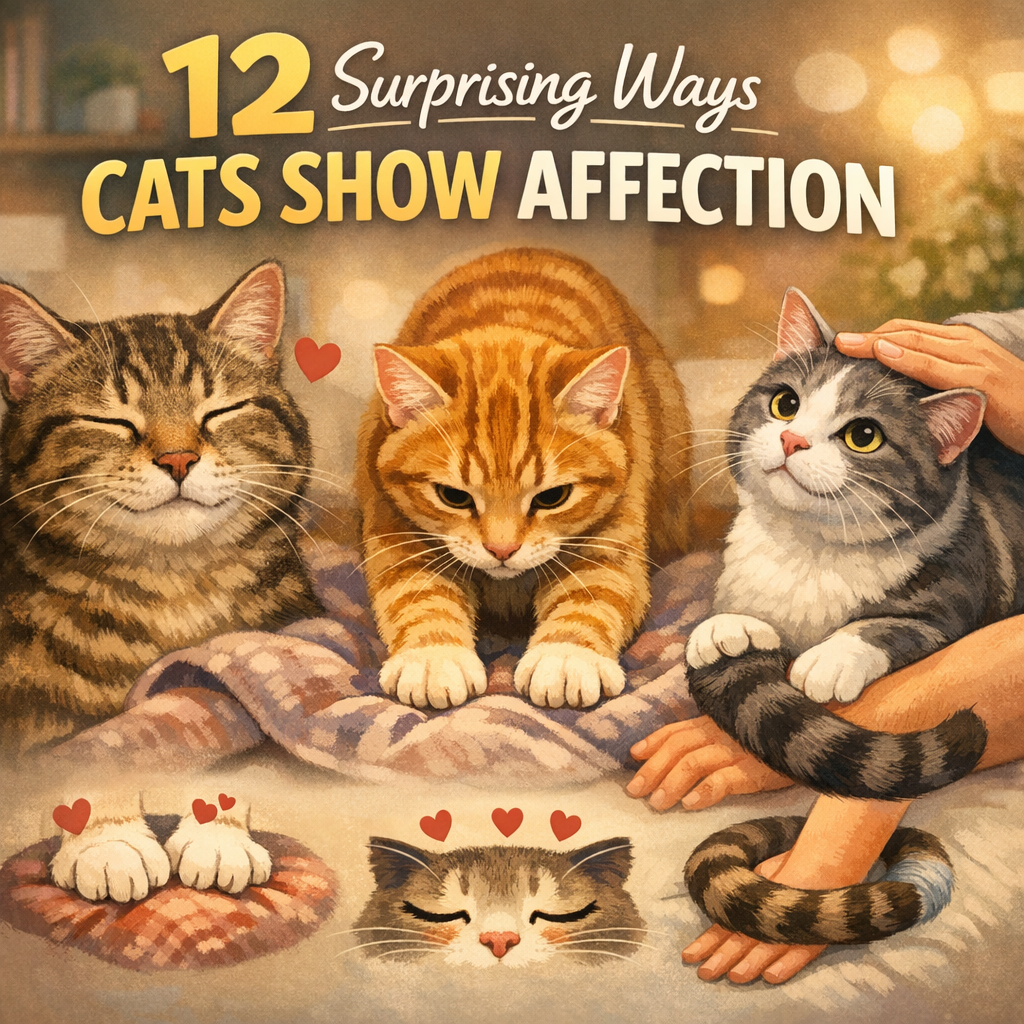
- Cats express affection through subtle body language, such as slow blinking (feline kisses), kneading (making biscuits), and wrapping their tails around your limbs to signal trust and relaxation.
- Behaviors like head bunting, cheek rubbing, and social grooming are biological ways cats use scent glands to mark you as a beloved member of their family “colony.”
- High-stakes displays of vulnerability, including revealing their belly or sleeping near your head, indicate that a cat feels 100% safe and protected in your presence.
- Quirky habits like bringing “gifts” (toys or prey) and following you room-to-room demonstrate a cat’s desire to provide for you and maintain a strong social attachment bond.
Table of Contents
Do you ever look at your cat and wonder if they actually like you, or if you are just a tall, hairless can opener? While dogs are famous for their loud, slobbery displays of devotion, feline love is a bit more refined. It is subtle, sophisticated, and sometimes a little weird.
At Bella Gatti US Shop, we live for that special bond between humans and their feline overlords. Whether you are rocking a Unisex Soft Cotton Tee with a witty cat slogan or lounging on the couch with your pet, understanding their body language is key. Here are 12 surprising ways your cat says I love you.
1. The Slow Blink: Feline Kisses
Ever caught your cat staring at you from across the room with half closed eyes? This is what experts like Marilyn Krieger and Amy Shojai refer to as cat kisses. Slow blinking is a powerful form of cat communication that signals complete relaxation and contentment.
When a cat closes their eyes in your presence, they are showing extreme vulnerability and trust. According to PetMD and Vetstreet, this feline behavior proves they do not perceive you as a threat. Try non-vocal cues like head-butting, kneading, and slow-blinking back to strengthen your cat owner relationship through this silent language.
2. Kneading: Making Biscuits of Love
Kneading is one of the most common signs of cat affection, where they rhythmically alternate paws against your lap. This behavior is a cozy leftover from kittenhood. Kittens knead their mothers to stimulate milk flow, associating the motion with comfort and safety.
As adults, cats continue this kneading behavior to express happiness and deep bonding. If your cat is digging their claws into your favorite graphic tee, take it as a compliment. They are essentially telling you that you make them feel as safe as they did when they were nursing. Common behaviors like purring, belly-showing, and tail-flicking are often misunderstood.
3. Social Grooming: You Are Part of the Family
In the world of feline social behavior, grooming is not just about hygiene. When cats lick each other, it is known as allogrooming, a major bonding mechanism used to create a collective scent. If your cat starts licking your hair or hands, they are grooming you as a sign of affection.
By grooming humans, cats are treating you as a member of their family. Experts at The Spruce and Catster note that this behavior serves as a stress relief mechanism. It is a clear display of feline PDA that shows they are comfortable enough to care for your coat too.
4. Tail Wrapping and Happy Twitches
A cat’s tail is a mood barometer. When a cat wraps their tail around your leg or rests it on your arm, they are displaying warmth and feline bonding. This tail wrapping is the feline equivalent of holding hands or putting an arm around a friend.
Watch the tip of the tail as well. While a lashing tail means stay away, a high tail with a slight twitch at the top usually indicates excitement and happiness. Understanding these subtle cat signs helps you gauge exactly how much your pet enjoys your company.
5. Bringing You Gifts: The Hunter’s Offering
It might be gross to find a toy mouse or a random sock on your pillow, but this is a peak display of predatory instincts turned into love. Indoor cats often present these objects as prey offerings to show their pride and success as hunters.
By bringing you gifts, your cat is mimicking the natural instinct to share their catch with their colony. They are essentially looking out for your well being by ensuring you are well fed. It is a quirky but sincere way of showing cat trust and biological ownership marking.
6. Head Bunting and Cheek Rubbing
Does your cat ever ram their head into your forehead? This behavior, known as head bunting or bunting, is a way to spread feline pheromones. Cats have scent glands on their cheeks and foreheads that they use to mark things they care about.
When they rub their face on you, they are engaging in pheromone marking to claim you as their own. As Dr. Karen Becker and other pet behaviorists explain, this creates a scent bond. It is a sophisticated way of saying you belong to them, which is the ultimate feline compliment.
7. The Belly Roll: The Ultimate Sign of Trust
There is nothing quite like a cat rolling over to show their fluffy stomach. In the animal kingdom, the belly is the most vulnerable spot. When your cat shows their belly, they are demonstrating an immense level of cat trust in your presence.
While it is often a trap for a scratch, the act of rolling over is a clear sign of feline body language indicating they feel safe. They are showing you that they do not feel the need to be on guard, which is a significant milestone in any cat owner relationship.
8. Love Bites and Gentle Nips
Not all bites are aggressive. Sometimes, a cat will give you a tiny, gentle nip that does not break the skin. These love bites are affectionate signs of attachment often seen during play or grooming sessions.
However, it is important to monitor these nips to ensure they do not lead to over stimulation. According to resources like Healthy Pets and iHeartCats, these bites are a form of feline vocalization without the sound. They are simply caught up in the moment of bonding with you.
9. Following You Everywhere
If your cat follows you from the kitchen to the bathroom, they are not just being nosy. They are showing an attachment bond. Cats associate positive interactions with their humans and simply want to be in your orbit.
This behavior contradicts the myth that cats are solitary and aloof. Following you around shows they value your company and view you as a source of security. It is a testament to the social flexibility and deep inter species bonding that cats are capable of.
10. Purring Mechanics and Vocalization
Purring is the most iconic sound of a happy cat. While cats sometimes purr when stressed, a loud, vibrating purr while sitting on your lap is a clear sign of love. The purring mechanics actually serve as a healing and stress relief mechanism for both the cat and the human.
Beyond purring, cats use specific chirps and meows only for their humans. This specialized feline vocalization is a developed form of communication. They are literally talking to you because they know you are the one person who will listen and respond.
11. Sleeping Near You
Cats are crepuscular hunters, meaning they are most active at dawn and dusk. When they choose to spend their sleeping hours on your bed or tucked against your side, they are at their most vulnerable. Choosing to sleep with you is a massive indicator of trust.
By sharing their sleeping space, they are treating you as a protector and a companion. This proximity is a key part of cat social behavior. It shows they feel a deep sense of security whenever you are nearby, solidifying the cat human bond.
12. Scratching Behavior Near You
While we usually think of scratching as a way to sharpen claws, it is also a way to leave visual and scent marks. Cats often scratch their favorite posts or furniture in areas where their humans hang out. This is another form of biological ownership marking.
By scratching in your presence or near your favorite chair, they are marking the environment as a shared territory. It is a sign that they are comfortable and “at home” with you. Understanding this feline behavior helps reframe a common annoyance into a sign of cat affection.
Expert Insight
“Cats demonstrate a sophisticated multimodal communication system, integrating visual, auditory, and chemical signals to navigate their human driven niche and signal deep trust through behaviors like slow blinking and shared territory marking.”, Expert in Feline Behavioral Science
1. The Famous Cat Kisses
Have you ever caught your cat staring at you from across the room with half closed eyes? Suddenly, they slowly close their eyes and open them again. This is not because they are sleepy or bored of your company.
It is the legendary slow blink. In the world of feline behavior, this is the ultimate sign of relaxation and contentment. It is how your cat tells you they feel safe enough to lower their guard in your presence.
Renowned pet behaviorists like Marilyn Krieger from Catster and Amy Shojai often refer to these as cat kisses. Because closing one’s eyes in the wild is a sign of extreme vulnerability, this slow blinking communication is a massive compliment.
By mimicking this cat body language, your feline friend is telling you they trust you completely. It is a key part of the cat owner relationship and a beautiful display of feline PDA. It shows a deep attachment bond that goes beyond just wanting a snack.
If you want to strengthen your cat bonding, try blinking back slowly to return the sentiment. This simple act of understanding cats and their social behavior can significantly reduce stress for both of you. It is a quiet, sophisticated way to say I love you.
2. Making Biscuits on Your Lap
Kneading, also known as making biscuits, is one of the most iconic signs of cat affection. Your cat rhythmically pushes their paws in and out against your legs or a soft blanket while looking completely zoned out. While those tiny claws can be sharp, the intent is pure love.
This feline behavior is a leftover instinct from kittenhood. According to PetMD, kittens knead their mothers to stimulate milk flow during nursing. When an adult cat performs this motion on you, they are essentially expressing maximum contentment and viewing you as a trusted parental figure.
Experts at Vetstreet and The Spruce note that kneading is a significant part of feline body language that signals a deep attachment bond. It is a biological stress relief mechanism that releases feel good hormones for your cat. When they choose your lap as their bakery, they are showing vulnerability and trust.
Beyond the nostalgia of kittenhood, kneading is also tied to pheromone marking. Cats have scent glands in their paw pads, and by making biscuits on you, they are claiming you as part of their family. It is a subtle way of saying: You belong to me, and I feel safe here.
If those love filled claws get a bit too intense, try placing a thick blanket between your lap and your feline friend. This allows them to continue their rhythmic display of cat love without leaving you covered in scratches. Remember, in the world of feline social behavior, being turned into a human sourdough loaf is a massive compliment.
Expert Insight
“When they do it on a favorite person or bed, it is a self soothing behavior and a sign of the bond: ‘You are someone who is important to me, and I am comfortable.’ In a way, they are marking you as part of their world.”, Emma Grigg, Animal Behaviorist
3. The Art of Head Bunting
When your cat walks up and rams their forehead into your shin or chin, they are not trying to start a fight. This is called head bunting or head rubbing. It is a high level feline communication tactic used to mark you as part of their inner circle.
Cats have scent glands on their cheeks and heads. By rubbing against you, they are depositing feline pheromones. In their mind, they are claiming you as their own. It is a biological badge of ownership and bonding.
According to pet behaviorist Marilyn Krieger, also known as The Cat Coach, this behavior is a significant sign of trust. By placing their head near your face or hands, they are exhibiting a vulnerability that only comes with a strong cat owner relationship.
This cheek rubbing and bunting behavior is often discussed by experts at Vetstreet and The Spruce as a way for cats to create a group scent. When you head butt back, you are participating in a sophisticated social grooming ritual.
Think of it as the ultimate feline PDA. While humans use words, your cat uses pheromone marking to tell the world that you belong to them. It is a beautiful display of cat social behavior that turns your living room into a sanctuary of mutual affection.
If you want to show off your status as a “claimed” human, our Unisex Soft Cotton Tee is the perfect way to wear your cat love on your sleeve. After all, once you have been bunted, you are officially part of the family.
Expert Insight
“Head bunting is a significant sign of trust and a sophisticated social ritual where cats use pheromones to create a group scent, effectively marking you as a familiar and beloved part of their family.”, Marilyn Krieger, Certified Applied Animal Behaviorist (The Cat Coach)
4. Bringing You Gifts and Hunting Behavior
Nothing says I love you like a toy mouse dropped into your favorite shoe. While humans might find these offerings a bit gross, to a cat, this is a major display of predatory instincts and success.
In the wild, feline behavior dictates that successful hunters bring prey back to the colony. According to experts like Amy Shojai and Dr. Karen Becker, when your cat presents you with a trophy, they are treating you like a member of their family who needs to be fed.
Indoor cats often use toys as prey offerings to mimic hunting behavior. They bring these items to you to show pride in their catch and to ensure their favorite human is well nourished. It is a profound sign of cat trust and a desire to take care of you.
Pet behaviorist Marilyn Krieger notes that this behavior is rooted in deep seated feline social behavior. By sharing their “kill,” your cat is demonstrating inter species bonding and reinforcing their place in your social hierarchy.
While resources like PetMD and Vetstreet suggest that this can be a messy habit, it is important to acknowledge the gesture. Instead of scolding them, realize that these hunting gifts are a sincere form of feline PDA and a testament to your cat owner relationship.
5. The Tail Wrap of Devotion
A cat’s tail is the ultimate mood barometer for decoding feline behavior. When your kitty approaches you with their tail held high and a slight twitch at the tip, it is the feline equivalent of a waving hand. They are genuinely excited to see their favorite human.
The real display of cat love happens when they take it a step further. If your cat wraps their tail around your arm or leg while you walk, they are engaging in a behavior known as tail wrapping. This is a deliberate sign of warmth and a desire for physical closeness.
According to pet behaviorist Marilyn Krieger and author Amy Shojai, this gesture is the feline version of holding hands. It is a sophisticated part of cat body language that signals a deep attachment bond. By wrapping their tail, they are physically connecting their world to yours.
Experts at Vetstreet and PetMD note that tail wrapping is often accompanied by other signs of cat trust, such as leaning their weight against you. It is a clear form of feline PDA that shows they feel safe and secure in your presence.
6. Cat Grooming Humans: The Ultimate Family Initiation
If your cat starts licking your hair or skin, congratulations! You have officially been initiated into the family. This behavior, known as social grooming or allogrooming, is a cornerstone of feline social behavior. In the wild and in multi cat households, cats only groom those they truly trust and care about.
According to experts like Marilyn Krieger and Amy Shojai, cat grooming humans serves as a massive stress relief mechanism. By licking you, your cat is mixing their scent with yours to create a communal family odor. It is a beautiful display of cat bonding that mimics how mothers care for their kittens.
This feline communication style is often discussed by pet behaviorists at PetMD and Vetstreet as a sign of extreme comfort. When your kitty treats you like a fellow cat, they are showing they feel safe in your presence. It is one of the most heart warming ways to witness feline pheromones and biological ownership marking in action.
| Affectionate Behavior |
Feline Body Language Meaning |
Human Equivalent |
| Slow Blinking |
Extreme trust and relaxation |
A warm, loving smile |
| Cat Kneading |
Feeling safe and comforted |
A big, cozy hug |
| Head Bunting |
Pheromone marking and bonding |
Putting a ring on it |
| Social Grooming |
Acceptance into the inner circle |
A spa day with a bestie |
7. The Belly Reveal: A High Stakes Display of Cat Trust
When your cat suddenly flops over and exposes their fluffy underside, it is the ultimate feline compliment. According to experts at PetMD and Catster, the belly is a cat’s most vulnerable area. In the world of feline behavior, showing it to you means they feel 100 percent safe in your presence.
This act of cat rolling over is a major milestone in the cat owner relationship. By presenting their midsection, your pet is demonstrating a level of vulnerability and trust signs that they would never show a predator or a stranger. It is a physical manifestation of the deep cat bonding you have nurtured together.
However, be careful before you dive in for a snuggle. As noted by pet behaviorist Marilyn Krieger, the belly reveal is often a “look but do not touch” situation. While it is a beautiful display of cat affection, it is not always an invitation for a tummy rub. For many cats, a hand on the belly triggers a defensive predatory instinct.
8. Following You Everywhere: The Shadow Effect
Does your cat follow you into the bathroom like a furry bodyguard? Do they insist on sitting on your laptop while you try to work? According to experts at Vetstreet and The Spruce, this is a classic display of feline social behavior.
This persistent following means they genuinely enjoy your company and associate you with safety. In the world of feline communication, being your shadow is a huge compliment. They are not just looking for a snack; they are choosing to be near their favorite human.
Even if they are not touching you, just being in the same room is a form of feline PDA. This proximity shows they are physically and emotionally attached to you. They want to be an active part of your daily routine and your personal space.
9. Love Bites and Gentle Nips
Sometimes feline PDA comes with a little crunch. If your cat gives you a soft, controlled nibble, you have just received a love bite. Unlike aggressive biting, these gentle nips are a unique part of cat communication and a sign of high cat attachment.
According to pet behaviorist experts like Dr. Karen Becker and Amy Shojai, these nips often occur when a cat is over stimulated with happiness. It is a playful way for them to express their excitement during a bonding session.
In the world of feline behavior, these bites are a carry over from kittenhood. Mothers often nip their young as a form of social grooming. When your cat does this to you, they are treating you like a member of their inner circle.
10. The Power of the Purr
We all know the classic rumble, but the science behind it is fascinating. According to experts at PetMD and The Spruce, purring mechanics involve a rhythmic vibration of the larynx and diaphragm. While it often signals pure contentment, it also serves as a biological stress relief mechanism for your cat.
Research suggests that the frequency of a feline purr can actually help lower blood pressure and promote bone healing. When your kitty curls up on your chest to motor away, they are essentially offering you a therapeutic session of feline pheromones and healing vibes.
It is the ultimate form of cat communication and trust. Whether you are relaxing in a Unisex Soft Cotton Tee or your favorite Nature T-shirt, that vibration is a sign of a deep cat owner relationship. It shows your pet feels safe enough to enter a state of total vulnerability and relaxation in your presence.
11. Sleeping Near Your Head
Cats are notoriously light sleepers and remain highly protective of their safety during rest. If your cat chooses to sleep on your pillow or curl up right next to your head, they are seeking your protection while offering their own.
This behavior is a major indicator of cat trust and vulnerability. By placing themselves near your face, they are showing that they view you as their most trusted guardian in the household.
Experts note that this is also about biological heat seeking. Your head is often the warmest part of your body, and cats are naturally drawn to that consistent heat source.
12. Vocalizing Just for You
Interestingly, adult cats rarely meow at other cats. They save their vocalizations almost exclusively for humans. If your cat chirps, trills, or meows at you when you walk in the door, they are talking to you.
This feline vocalization is a sophisticated form of cat communication. It is their way of saying hello and seeking engagement. Every cat has a unique language they develop with their owner.
Pet behaviorists note that these sounds are often an attempt to bridge the gap between species. When your cat greets you with a series of short chirps, they are displaying excitement and happiness.
“Understanding feline body language and vocalization is like learning a secret code. Once you crack it, you realize your cat is constantly telling you how much they care.” Inspired by insights from Marilyn Krieger, Amy Shojai, and the experts at Vetstreet and Catster.
Frequently Asked Questions About Cat Affection
How do I know if my cat actually trusts me?
Trust is the foundation of the cat owner relationship. According to experts, a cat shows trust through extreme vulnerability. If your cat sleeps with their back to you or exposes their belly, they are signaling that they feel safe in your presence.
Slow blinking is another massive indicator of feline trust. Often called cat kisses, this feline behavior shows that your pet is relaxed enough to close their eyes. When you see those half closed eyes, they are telling you that you are part of their inner circle.
Why does my cat lick me and then suddenly bite me?
This confusing mix of cat body language is usually a result of over stimulation. While social grooming is a way for cats to show affection and treat you like family, the repetitive sensation can become overwhelming for their nervous system.
When the grooming becomes too intense, your cat might give you a gentle love bite. Pet behaviorists suggest this is a form of cat behavior modification. It is their way of saying they love you, but they need a break from the physical contact for now.
Can cats feel love like humans do?
While we try to avoid anthropomorphism in pets, research suggests that cats form deep emotional attachments. Their cat communication may be different from ours, but the chemical bond is very real.
Studies on feline pheromones and oxytocin levels show that cats experience a surge of feel good hormones when interacting with their favorite humans. They might not express love through words, but their use of head bunting and cheek rubbing to mark you with their scent is a clear sign of biological ownership and devotion.
What does it mean when my cat kneads me?
Kneading, or making biscuits, is one of the most common ways cats show affection. This behavior starts in kittenhood as a way to stimulate milk flow from their mother. When an adult cat kneads you, it is a sign of ultimate contentment and happiness.
Why does my cat bring me dead mice or toys?
While a toy mouse or a gift on your doorstep might be gross, it is actually a high honor. This hunting behavior is a sign of prey offering. In the wild, mother cats bring prey to their kittens to teach them how to eat and survive.
By bringing you these gifts, your cat is displaying their predatory instincts and sharing their success with you. They view you as a member of their colony who might need a little help with the hunting department. It is a gesture of pride and deep seated affection.
What is the significance of tail wrapping?
Cat tail wrapping is the feline equivalent of holding hands. When a cat wraps their tail around your leg or rests it on your arm, they are showing warmth and attachment. A high, upright tail with a slight twitch at the end is a sign of pure excitement and joy at seeing you.
The Importance of the Feline Bond
Understanding the subtle nuances of cat affection makes life with your feline overlord much more rewarding. They are not aloof creatures; they simply communicate through a sophisticated language of feline pheromones and physical cues. From pheromone marking to rhythmic kneading behavior, every move is a deliberate message of love.
At Bella Gatti US Shop, we celebrate these unique quirks every single day. Whether you are looking for Funny Slogan T-shirts that mock their predatory instincts or a cozy Unisex Soft Cotton Tee to wear during a heavy kneading session, we have your back. Our apparel is designed for those who speak the language of head bunting and slow blinking.